How To Weld Galvanized Steel Safely With A Laser Welder?

Laser Welding Machine

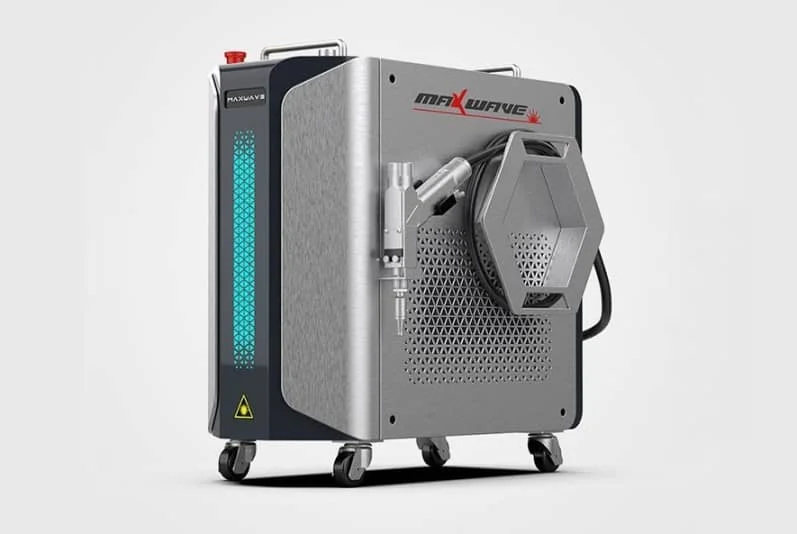
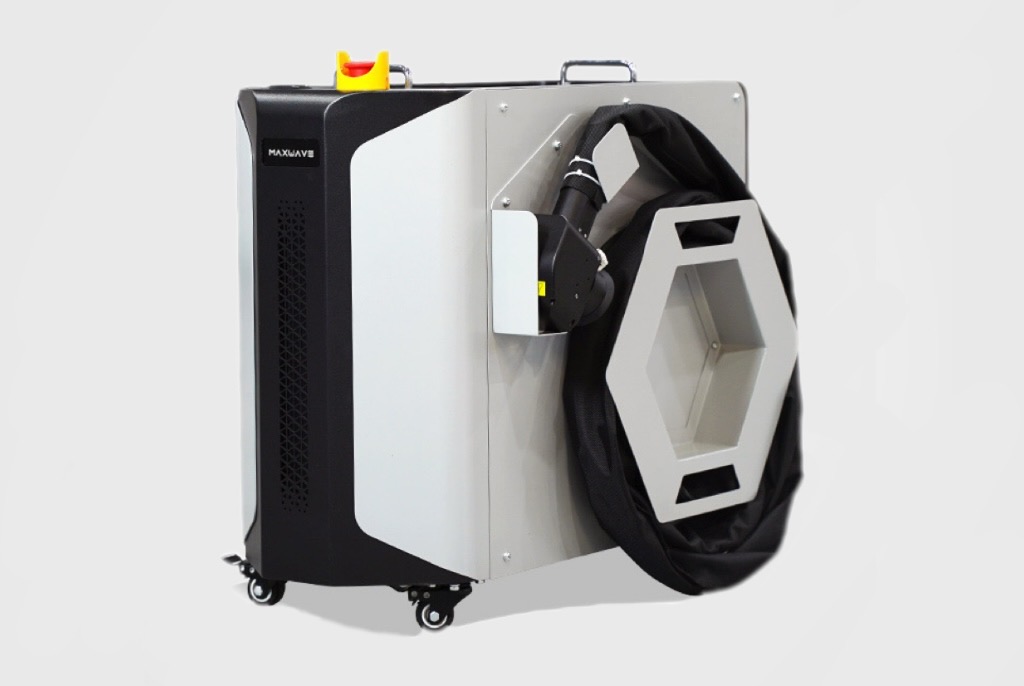
Safely welding galvanized steel with a laser welder requires solving a key challenge: controlling toxic zinc fumes. While laser technology offers precision, success depends on combining the right technique with reliable equipment. This guide provides a complete safety-to-process roadmap, showing how purpose-built tools simplify such tasks.For example, the MAXWAVE MW-HW800D stands out as one of the best laser welding machines for this task, a multi-metal system that delivers the exceptional stability needed to confidently handle galvanized steel.

Why Does Galvanized Steel Demand Special Attention?

Welding galvanized steel without proper understanding and precautions introduces multiple layers of risk, extending beyond the weld itself to the operator and equipment.

Health & Safety Risks

The foremost concern is health hazards. When the zinc coating vaporizes, it produces zinc oxide fumes. Inhalation of these fumes can lead to metal fume fever, a flu-like condition characterized by symptoms such as fever, chills, headache, and nausea. This is not a minor inconvenience but a significant occupational health issue that mandates strict safety protocols, including respiratory protection and forced ventilation.

Process & Quality Defects

Beyond personal safety, the process inherently creates severe welding defects. The violent expulsion of zinc vapor disrupts the molten weld pool, leading to excessive porosity, which are trapped gas pockets, along with uncontrolled spatter and potential cracks. These defects critically compromise the joint’s structural integrity and corrosion resistance. Visually, the weld bead will appear rough, irregular, and unreliable, often requiring costly rework or leading to product failure.

Equipment & Maintenance Threats

Finally, the process fallout poses a direct threat to your equipment investment. The abundant smoke and fine particulate matter generated can contaminate the laser welder’s lens and protective windows. Over time, this buildup reduces beam quality and power delivery, necessitates frequent and expensive maintenance, and can ultimately shorten the core optical system’s lifespan.

Therefore, a complete solution requires not only procedural knowledge but also equipment designed for durability—specifically, a laser welder with excellent sealing and standardized ports for easy integration with a dust extraction system to ensure long-term, stable, and cost-effective operation.

Pre-Welding Setup for Galvanized Steel: Ensuring Safety and Quality

Before activating the laser, meticulous preparation is the most proactive step for risk control. A proper setup directly mitigates the hazards discussed earlier, forming the essential foundation for a safe process and a sound weld.

Material Pre-treatment: Remove the Zinc Layer

Before striking an arc, surface preparation is the critical first step. The zinc coating must be completely removed from the weld joint and the surrounding area, typically spanning 20-30mm. The most common and effective methods are mechanical grinding using a flap disc or sanding pad, or using a specialized chemical zinc stripper. This creates a clean, bare metal surface, drastically reducing the primary source of zinc fumes and preventing defects like porosity at the weld’s start.

Workspace Ventilation: Control Fumes at Source

Effective fume extraction is non-negotiable for indoor or confined-space welding. Relying on general room ventilation is insufficient. A dedicated local exhaust ventilation (LEV) system or an integrated smoke purifier must be used to capture hazardous fumes directly at the emission point. For benchtop operations, choosing a laser welder that comes standard with a high-efficiency smoke purifier or features standardized extraction ports is crucial. The MAXWAVE MW-HW800D is designed with this core need in mind, allowing for effortless connection to external dust collection systems, safeguarding operator safety right from the source.

Personal Protective Equipment (PPE): The Final Defense Layer

Even with preparation and ventilation, proper personal protection forms the essential last line of defense. Operators must wear a respirator approved for metal fumes to prevent inhalation of any residual particulates. Laser safety glasses with the appropriate optical density under a full face shield are mandatory to protect eyes from both laser radiation and flying debris. Additionally, flame-resistant gloves and protective clothing are necessary to shield against spatter and incidental radiation.

Galvanized Steel

Key Parameter Optimization for Galvanized Steel Welding

With proper setup complete, fine-tuning the parameters of your laser welding machine becomes the key to transforming a challenging weld into a clean, strong joint. Precise control over energy input directly dictates success with galvanized steel.

Power & Speed: Finding the Balance

The interplay between laser power and travel speed governs heat input. For galvanized steel, the goal is to use sufficient power to penetrate the base metal while moving quickly enough to minimize heat buildup and zinc vaporization. A practical strategy is to begin with moderate power—typically 15-30% lower than settings for uncoated steel of the same thickness—paired with a relatively high travel speed. For example, on 1.5mm thick material, a starting point might be 1200-1500W at 20-25 mm/s. This approach reduces the time the zinc coating is exposed to peak temperatures, effectively limiting fume generation.

Waveform Control: The Power of Pulsing

This is arguably the most critical setting. Using a pulse mode, where the laser fires in rapid, intermittent bursts, enables superior heat management. Each pulse melts a small volume of metal, and the off-time between pulses allows heat to dissipate, preventing the sustained zinc boiling that causes spatter and porosity. Effective frequencies often range from 30-150 Hz depending on material thickness. To leverage this, equipment needs flexible control. The intelligent pulse mode in our machines allows easy setup of parameters optimized for galvanized steel, significantly suppressing spatter—a feature often reserved for higher-end models.

Shielding Gas & Focus Position

Do not overlook these supporting parameters. Using a high-purity shielding gas like argon is strongly recommended to protect the molten weld pool from atmospheric contamination, which can exacerbate porosity. The focus position also significantly influences the weld profile and penetration. For thin galvanized sheets, employing a slightly defocused beam with the focal point positioned 0.5 to 1.5 mm above the material surface can help widen the weld bead, distribute heat more evenly, and reduce the risk of burn-through while mitigating zinc vaporization.

laser welder

Step-by-Step Guide to Welding and Treating Galvanized Steel

A systematic workflow is paramount. It ensures operational safety, guarantees repeatable quality, and transforms theoretical knowledge into reliable results.

Final Pre-Welding Checklist

Before initiating the weld, perform a final verification. Confirm the material surface is free of contaminants. Check that all equipment systems are functional. For instance, our machines feature power-on self-test and clear status indicators to help quickly verify readiness and reduce oversights. Ensure fume extraction is running and that the operator is wearing all required PPE in a well-ventilated space.

Equipment Setup & Parameter Loading

Secure the workpiece firmly with proper clamping to ensure a stable electrical ground. Then, load your welding parameters. Efficiency here directly impacts productivity. Our machines allow users to store and instantly recall multiple parameter sets, including optimized programs for galvanized steel. This streamlines setup significantly, especially beneficial for shops handling various parts in different batches.

Welding Execution & In-Process Control

Initiate the weld using a ramped start to create a stable melt pool and minimize initial defects. Maintain a consistent torch angle and travel speed. For long seams, consider skip welding to manage heat buildup. Continuously observe the melt pool behavior and spatter level as immediate visual cues for on-the-fly adjustment.

Post-Weld Treatment

Once welding is complete, begin by cleaning the weld and conducting a visual inspection for defects. The most crucial step is corrosion protection. Since the weld zone loses its galvanization, you must re-apply protection using zinc-rich paint or cold galvanizing compound. A stable output from our machines ensures consistent welds that are easier to finish, reducing post-weld cleanup time and cost.

Following a disciplined, step-by-step procedure bridges theory and high-quality outcomes. It ensures safety, boosts efficiency, and guarantees quality. Ultimately, pairing this professional methodology with the right equipment, such as a well-designed handheld laser welder, transforms galvanized steel welding from a persistent challenge into a controlled and reliable process.

laser welder

Conclusion

Mastering galvanized steel welding with a laser requires a complete approach: strict safety measures, careful preparation, and precise control of parameters. The right equipment is essential to implement this effectively. The MAXWAVE MW-HW800D laser welder provides the necessary stability, integrated fume control, and user-friendly operation to transform this challenging task into a safe and consistent process. Ready to achieve clean, strong welds on galvanized steel? Contact us to learn how the MW-HW800D can solve your welding challenges.