
Laser Welding Stainless Steel
Explore laser welding stainless steel in real industrial projects, achieving clean, precise, high-strength welds with our advanced fiber laser technology and expert welding solutions.
Is Laser Welding Better for Stainless Steel?
Laser welding produces cleaner, stronger stainless-steel welds with minimal heat, distortion, and spatter. Traditional welding generates more heat, requires higher skill, and is less effective for thin or delicate stainless-steel parts.
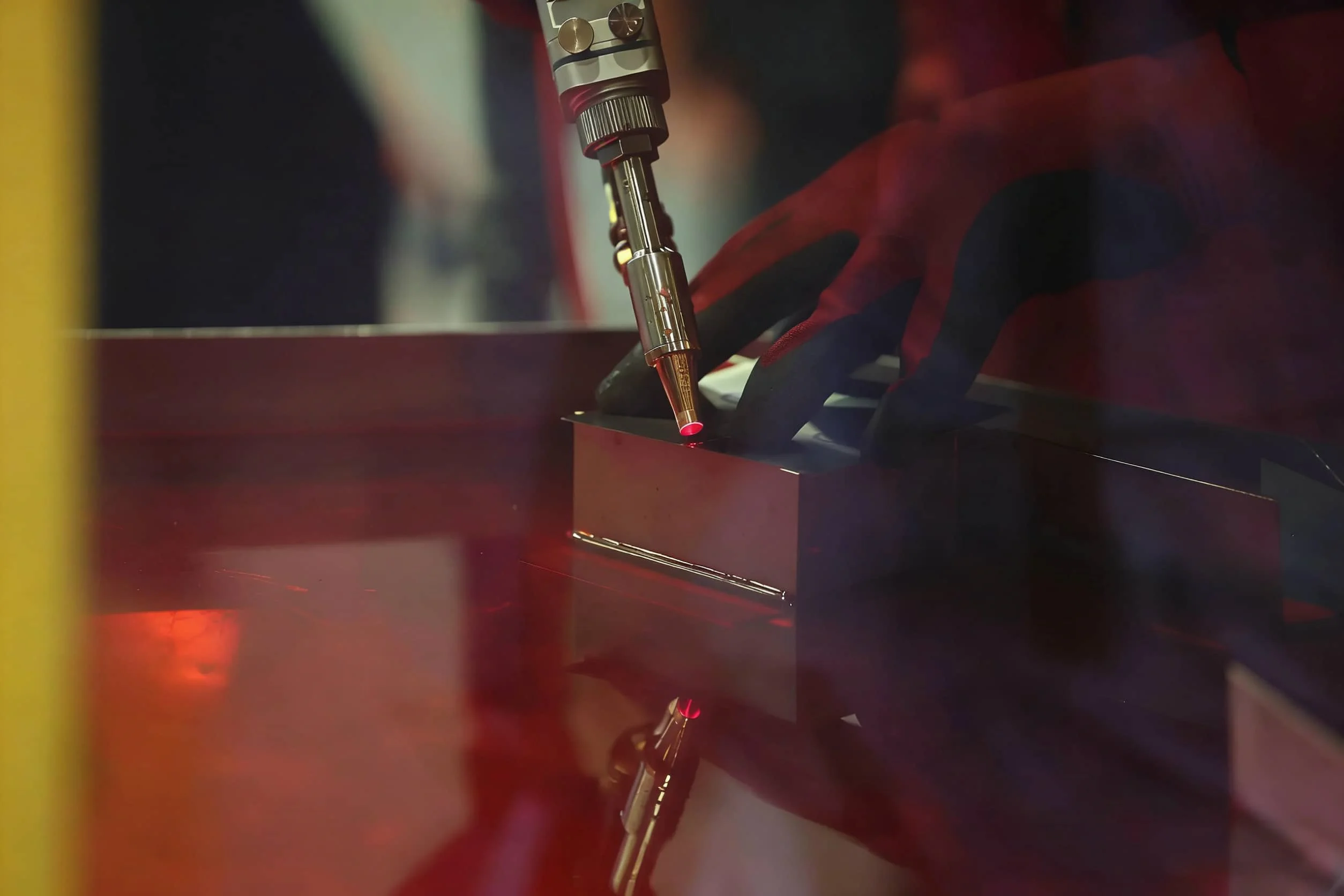
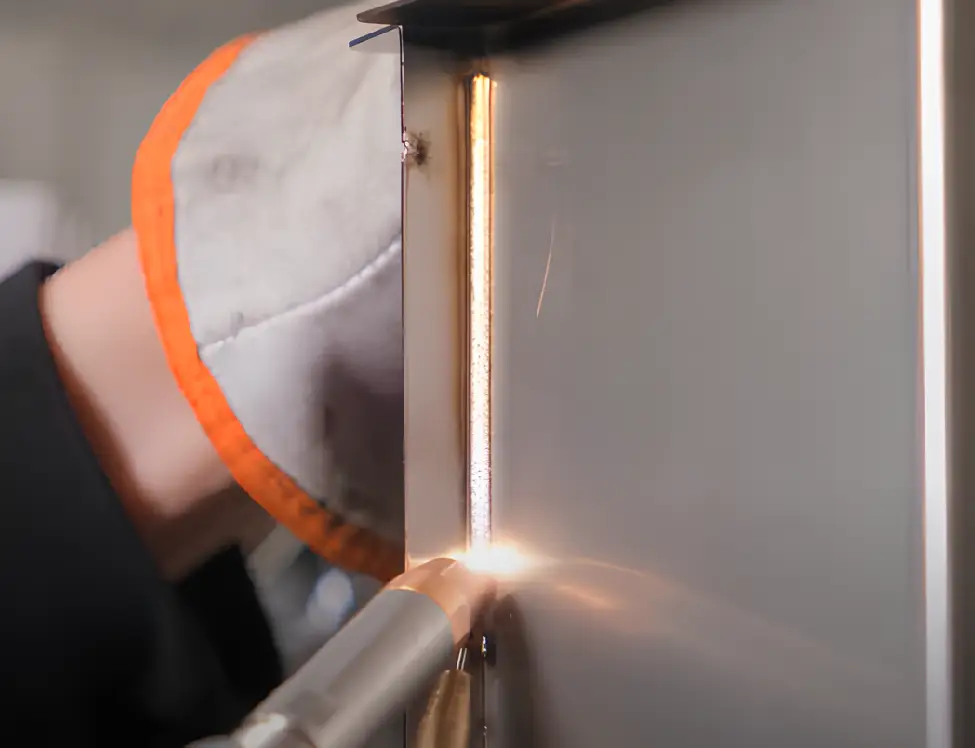
Why Choose Laser Welding for Stainless Steel
-
High precision & minimal deformation
-
Faster welding speed
-
Clean and smooth welds
-
Cost-effective & material-saving
How to Weld Stainless Steel with a Laser?
Equipment Selection
Choose a laser welding machine suitable for stainless steel—usually a fiber laser or a pulsed laser—to ensure that the power level, beam quality, and spot size are appropriate for your material thickness.
Parameter Settings
Adjust power, pulse width, frequency, and welding speed to balance penetration and heat input, minimizing deformation and achieving consistent weld quality.
Surface Preparation & Clamping
Clean the stainless steel surface to remove oil, rust, and coatings, and secure the workpiece with proper clamping to ensure stable alignment during welding.
Welding Techniques
Maintain consistent focus distance, choose the right welding mode (continuous or pulsed), and use steady torch movement to produce smooth, uniform welds.
Post-Weld Finishing
Remove oxidation, polish the weld if needed, and inspect the joint to ensure strength, cleanliness, and appearance meet application standards.
Common FAQs & Quick Solutions of Laser Welding
Got questions about laser welding stainless steel? This quick FAQ covers common issues like discoloration, penetration, heat distortion, and small-part welding—helping you achieve cleaner and stronger welds with ease.
Discoloration is often caused by insufficient shielding gas or excessive heat.
Increase the argon flow, ensure proper nozzle positioning, or slightly reduce the laser power/speed to prevent oxidation and achieve a clean weld.
Shallow welds usually mean the focus is incorrect or the welding speed is too fast.
Adjust the focal length, slow down the weld speed, or increase laser power to improve penetration.
For tiny components, use high-precision pulse mode.
Pulse welding provides controlled heat input, preventing damage and ensuring clean, accurate micro-welds.
Deformation occurs when heat is concentrated in one area.
Use proper clamping tools for stability and apply multi-spot or segmented welding to distribute heat evenly and reduce warping
We Have Done
Our Projects
No Results Found
The page you requested could not be found. Try refining your search, or use the navigation above to locate the post.
News & Stories
Which Is The Best Welding Machine For Welding 18650 Batteries?
Building a high-performance 18650 battery pack feels like a superpower—until your spot welder fails you. We’ve all been there: the frustrating 'cold welds' that pop off at the slightest touch, the annoying circuit breaker trips that plunge your workshop into darkness,...
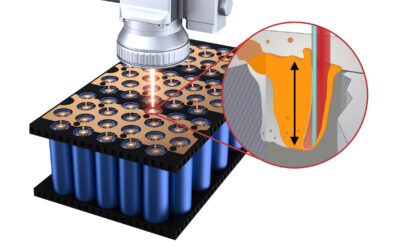
How Laser Welding Prevents Heat Damage In Lithium-Ion Battery Tab Applications
Even a tiny bit of heat in the wrong place can turn a perfectly good lithium-ion cell into a ticking time bomb. Traditional welding methods often overheat separators, damage foils, or create hidden defects that only appear months later. Laser welding flips the...
How To Choose The Best Automatic Welding Machine For Battery Manufacturer
Choosing the right automatic welding machine for battery manufacturing can feel like finding the perfect piece in a complex puzzle. It’s not just about the latest technology; it’s about matching your unique needs, budget, and long-term goals. In this guide, we’ll dive...
Talk to Our Wall Printer, Laser Equipment & Robot Arm Specialists
Need guidance on wall printing projects, laser welding or cleaning applications, or automation solutions with robot arms? Just fill out the form with your project details — the more information you provide, the better we can support you. One of our experts will reach out soon with professional advice and customized solutions for your needs.
+86 18571639620