
To choose the right laser welder for jewelry, one thing must be clear first: there is no single “best” machine for everyone. Different jewelry applications—such as prong retipping, ring resizing, frequent repairs, or small‑batch production—place very different demands on power, precision, and long‑term stability. That’s why many jewelry laser welder reviews can feel confusing or even contradictory without proper context. In this guide, we draw on real‑world jewelry industry use cases to break down the factors that truly matter, helping you confidently identify a laser welder that delivers clean results, protects delicate pieces, and provides real long‑term value.
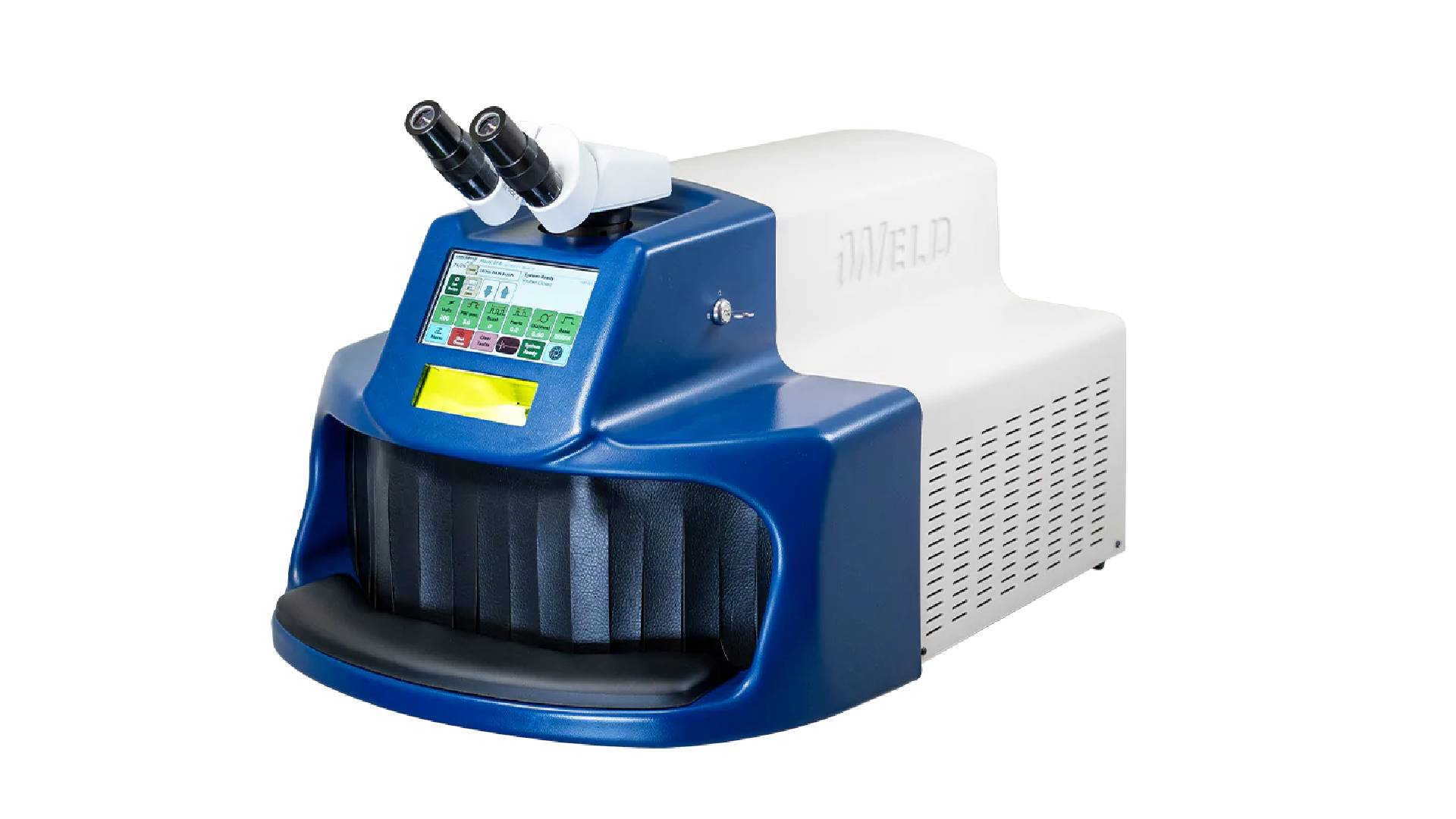
LaserStar iWeld Series (993 Desktop & 972 Professional)
LaserStar welding systems are built to remove uncertainty from precision jewelry welding. The 993 Desktop and 972 Professional share the same 11 kW peak power core, delivering 0.1–180 J pulse energy at 1064 nm (Nd:YAG). The key difference lies in workspace size and precision level.
The 993 Desktop laser welder is a compact, bench‑top system for everyday production. With a 0.2 mm minimum spot size and pulse rates up to 50 Hz, it offers fast, efficient welding for ring resizing, prong repair, and chain welding.
The 972 Professional is a pedestal‑mounted system designed for precision work. Its 0.05 mm spot size enables delicate tasks such as fine platinum details and stone‑in‑place repairs, where accuracy matters more than speed.
Both models feature Soft‑Touch® pulse shaping for controlled energy delivery. The 972 adds first‑pulse suppression to protect thin metals. Neither system requires an external chiller, supporting continuous, all‑day operation in busy jewelry workshops.
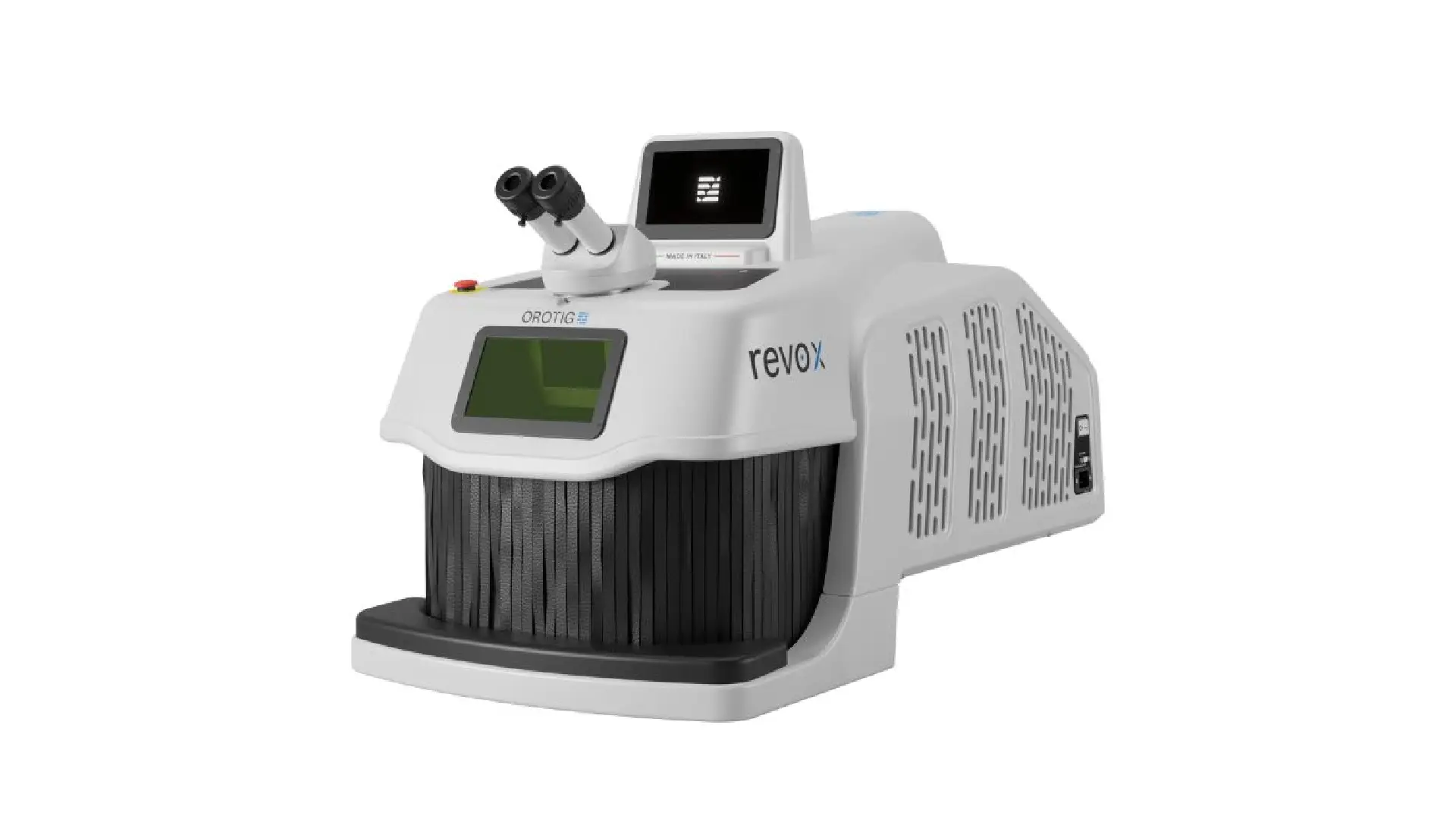
Orotig Revo X² Italian Precision System
The Revo X² laser welder is built for high‑volume jewelry manufacturing, not benchtop repair work. With 12 kW peak power and 280 J pulse energy, it easily welds highly reflective metals like silver and platinum that lower‑power systems can’t handle.
An adjustable spot size from 0.2–2 mm supports both fine detail work and larger welds. A 40 Hz pulse rate and 150 W average power allow 8+ hours of continuous operation, making it ideal for assembly‑line production. A water‑cooling system ensures stable performance during long runs.
Priced above $29,995, the Revo X² is designed for manufacturers producing hundreds of pieces per week. Run it full‑time, and the ROI makes sense—otherwise, it’s more power than you need.
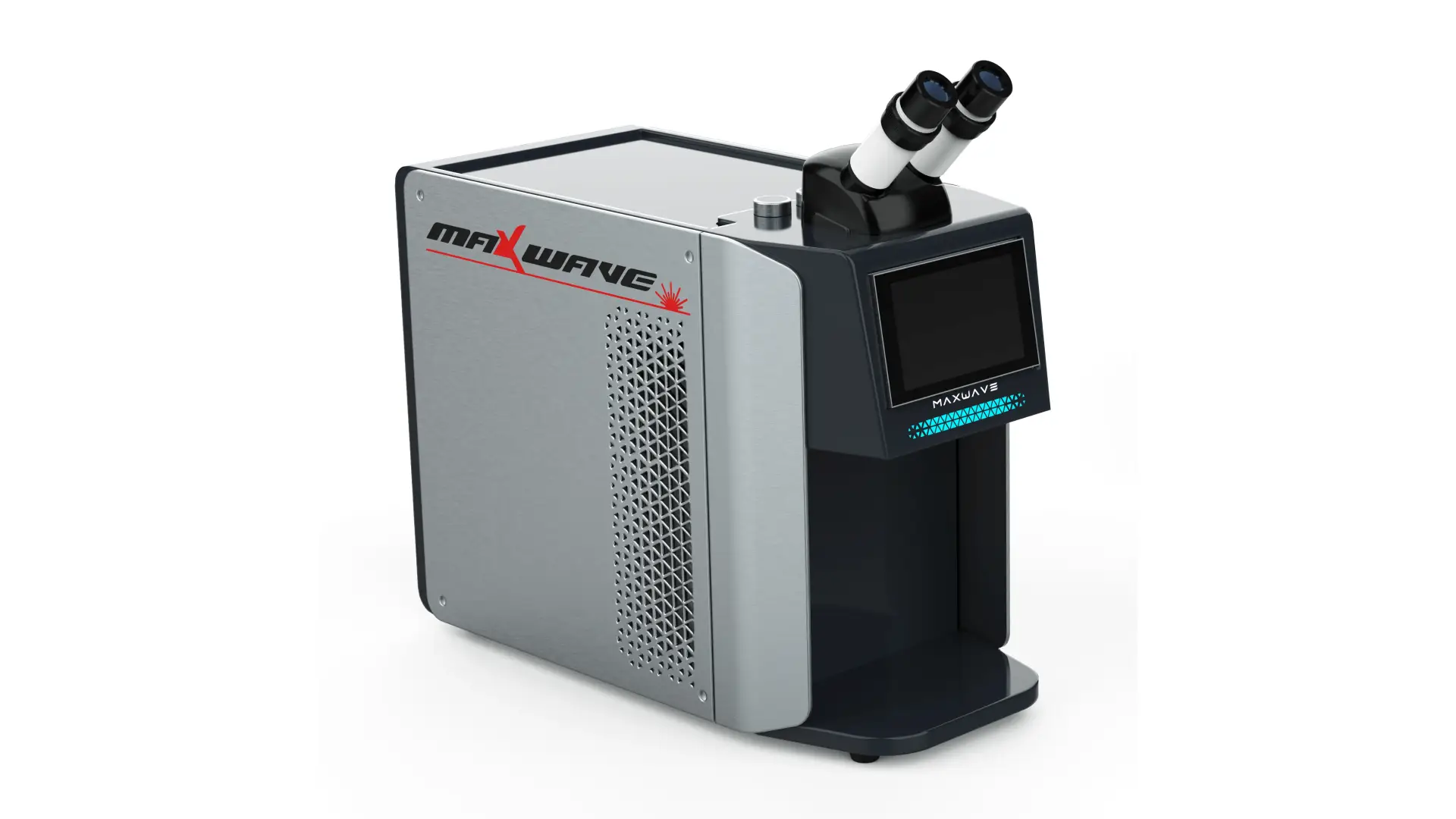
MaxWave QW Series Mid-Tier Professional Choice
Many jewelers quickly outgrow entry‑level welding machines, but full industrial systems are often too expensive. The MaxWave QW Series fills this gap, offering professional performance at a practical price.
Priced at $3,300–$4,400, it uses a 1064 nm Nd:YAG laser with adjustable spot size (0.1–3.0 mm) to handle both fine detail work and larger welds. Short, precise pulses help reduce heat spread, making it safe for stone‑in‑place repairs and delicate silver work.
With high accuracy and fast welding speeds, jobs are completed much quicker than with traditional torch methods. The air‑cooled, compact design fits easily on a workbench, making it ideal for small to mid‑size jewelry shops.
For workshops handling 20+ jobs per week, the MaxWave QW Series delivers better efficiency, less material waste, and a faster return on investment—without the cost of a full industrial system.
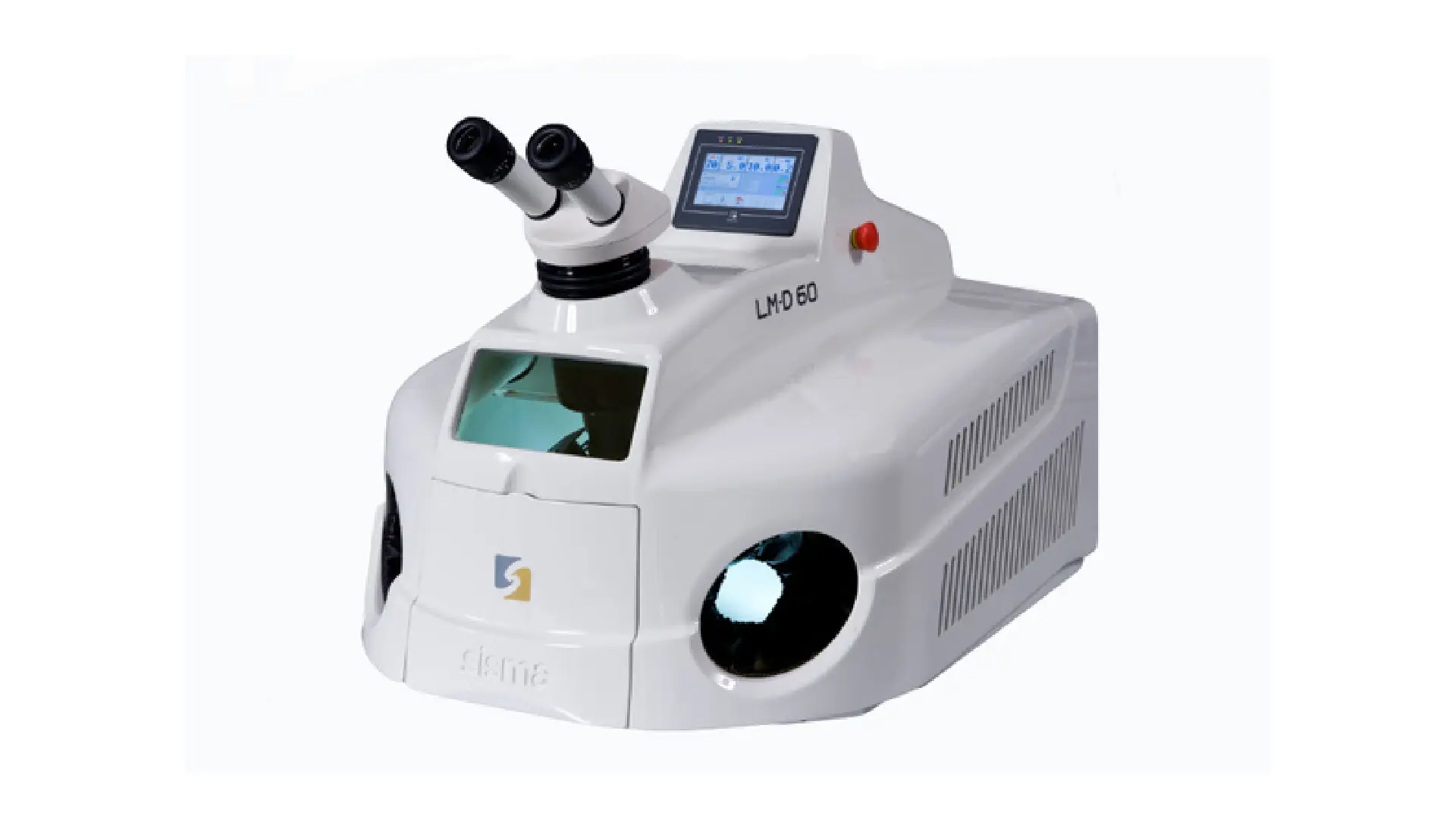
Sisma LM-T250 High-Precision Fabrication System
The Sisma LM‑T250 laser welder is built for precision jewelry welding, not general repair. With 250 J pulse energy and 11 kW peak power, it easily handles thick platinum and complex assemblies where mid‑range machines fall short.
Adjustable spot size (0.1–2 mm) and wide pulse control let jewelers switch smoothly between delicate silver work and deeper welds. Smart Spot technology ensures stable output from the first pulse, reducing mistakes near gemstones.
Its open‑bottom design supports oversized pieces, while ergonomic height adjustment improves daily comfort. Priced at $8,000–$10,000, the LM‑T250 laser welder is ideal for workshops running 4–6 hours per day that need accuracy without full industrial costs.
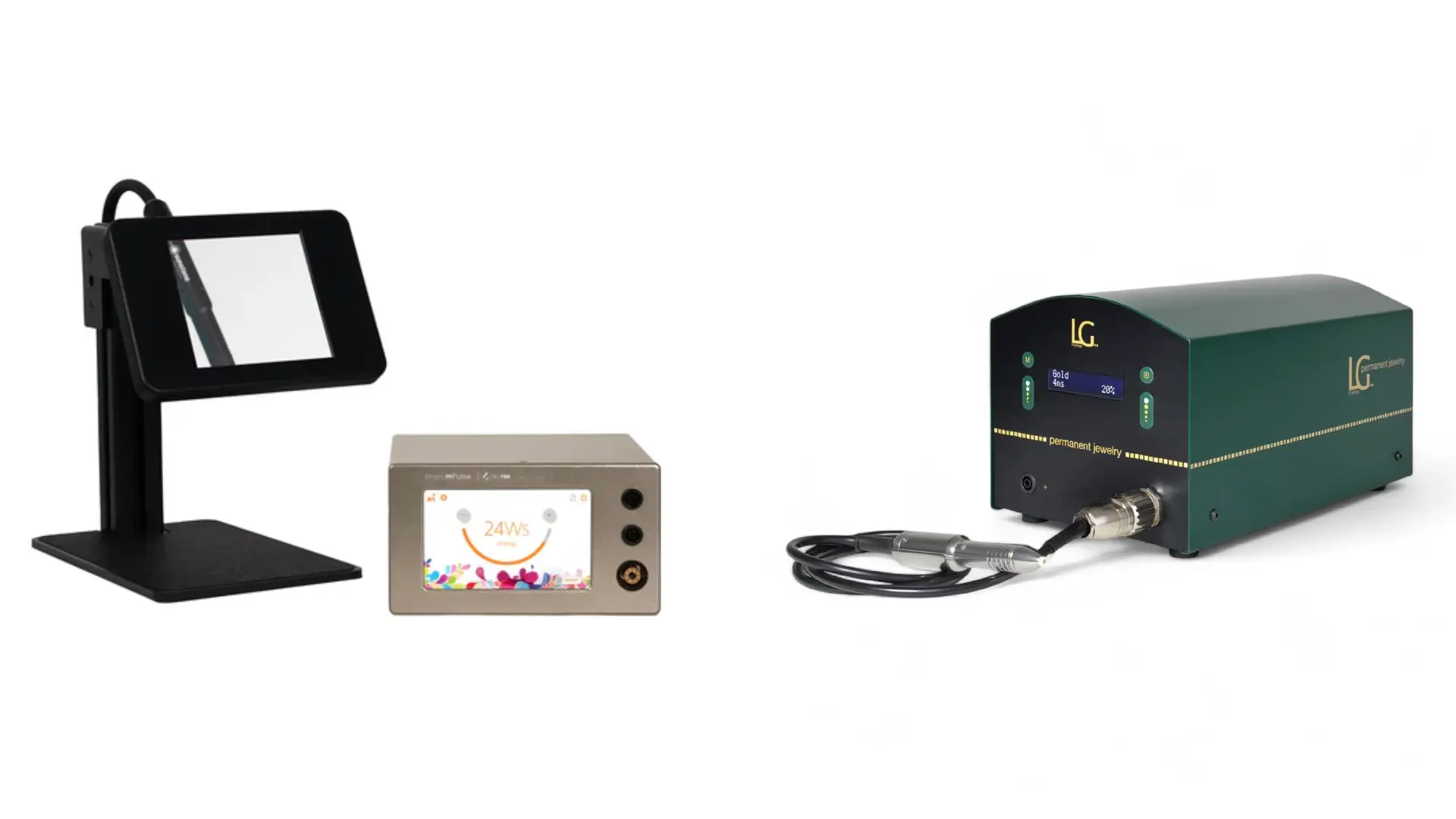
Budget-Friendly Options: Orion mPulse 2.0 & LG Findings Welder
The Sisma LM‑T250 laser welder is built for precision jewelry welding, not general repair. With 250 J pulse energy and 11 kW peak power, it easily handles thick platinum and complex assemblies where mid‑range machines fall short.
Adjustable spot size (0.1–2 mm) and wide pulse control let jewelers switch smoothly between delicate silver work and deeper welds. Smart Spot technology ensures stable output from the first pulse, reducing mistakes near gemstones.
Its open‑bottom design supports oversized pieces, while ergonomic height adjustment improves daily comfort. Priced at $8,000–$10,000, the LM‑T250 jewelry repair equipment is ideal for workshops running 4–6 hours per day that need accuracy without full industrial costs.
Key Technical Specs Explained
Four numbers tell professional jewelry laser welder apart from hobby tools. Miss these specs? You’ll overpay for features you won’t use. Or you’ll buy a system that ruins delicate pieces.
Power Output: Peak vs. Average Both Matter
Peak power grabs headlines. Average power shows what you can weld all day.
Peak power measures the max energy burst in one pulse. LaserStar’s 993 Desktop hits 11 kW. The Orotig Revo X² laser welder for jewelry pushes 12 kW. This force cuts through reflective metals like platinum and white gold. You need 9 kW minimum to get through these surfaces. Less than that? Heat just bounces back.
Average power controls how long you can run the machine. The Revo X² runs at 150W average. That means 8+ hour shifts without shutdown. Budget machines cap at 60W average. They last 2–4 hours before overheating. Your repair volume each day tells you which spec matters more.
Pulse Energy Range: The Control That Makes The Difference
Pulse energy adjustability affects weld quality on different jobs. Measured in joules (J), this range shows how precise your control is.
The Orion mPulse 2.0 laser welder offers 0.5J steps from 1J to 15J. This fine control prevents blow-through on thin gold-filled chains during spot welding jewelry. Then it jumps to 30J for thicker sterling silver jump rings.
Entry systems lock you into 5J or 10J jumps. That gap forces you to compromise. Too little energy? You get weak welds that crack under tension. Too much? You burn through and waste precious metal.
Professional jewelry repair equipment spans 0.1J to 280J. The low end covers platinum prong retipping. The high end handles heavy gold jewelry welding on ring shanks. One machine does your entire workload.
Laser Welding vs Traditional Soldering for Jewelry
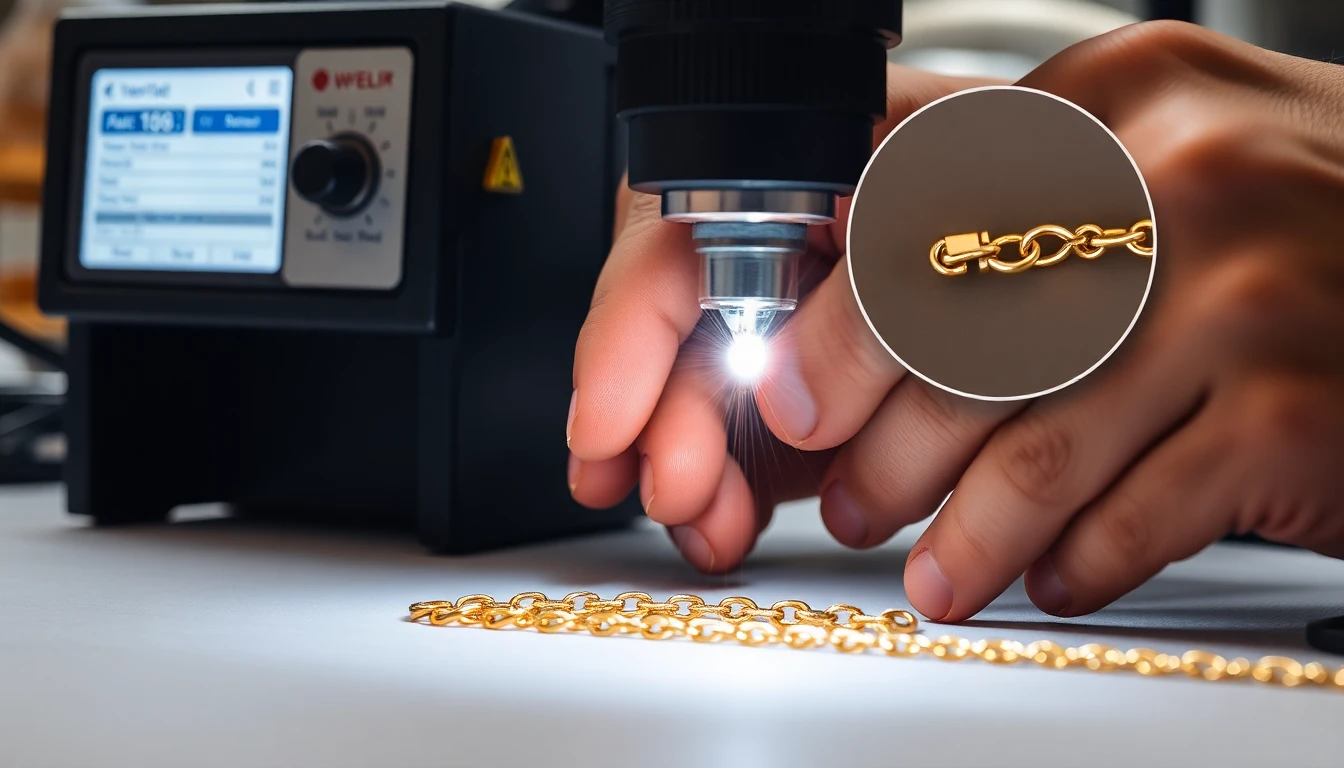
Laser welders are much stronger than solder joints—tested up to 2.6× stronger, even stronger than the original metal itself. That’s because laser welding fuses the base metal directly, without adding solder that creates weak points.
Heat control is another big advantage. Laser welder focuses energy into a tiny area, keeping surrounding metal cool and stable. Soldering spreads heat across the piece, which can weaken springs, clips, and nearby details—especially risky on delicate jewelry.
Laser welding also allows stone‑in‑place repairs. Emeralds, opals, pearls, enamel, and glued stones stay safe, with no cracking or color change. With soldering, stones must be removed first, adding time, cost, and risk.
It’s also much faster. Jobs that take 15 minutes with a torch can be done in 90 seconds with a laser. There’s no cooling wait, and finishing work is cleaner—less polishing, fewer re‑dos.
The result? Lower labor costs, less material waste, and faster turnaround. Over time, these savings quickly pay for the laser system.
laser welder
Selection Guide by User Type and Budget
Four jeweler profiles exist. Each needs different laser welder specs. Match your workload to the right tier—or watch your investment sit idle.
For Hobbyists & Weekend Repair Artists: The $2,500-$3,000 Entry Zone
Your workflow: 5-10 pieces per week. Chain repairs. Simple ring sizing. Permanent jewelry at weekend pop-ups.
The Orion mPulse 2.0 laser welder ($2,500) handles this volume without strain. You get 27 power settings across 3-30 joules. The Dual Zone Power Range™ controls energy in half-joule steps from 1-15J. This precision stops you from burning through delicate gold-filled chains during spot welding jewelry work. Run it 2-4 hours per day. No overheating. The 3-year warranty (or 1 million welds) protects your investment.
MaxWave QW Series laser welder ($3,300-$4,400) steps up precision. The 0.1mm minimum spot size beats Orion’s 0.5mm. This tighter control matters for silver jewelry repair on thin gauge pieces. Both systems pay for themselves in 6-8 months at typical repair shop rates.
For Established Repair Shops: The $5,000-$8,000 Professional Range
Your workflow: 15-30 pieces per day. Repairs with stones still in place. Mixed metals. 4-6 hours of continuous operation.
LG Findings laser welder systems ($5,000-$7,000) bring German engineering at mid-tier pricing. Three preset programs handle gold, silver, and universal metals. The 2.5-meter handpiece reaches every angle. Built-in LCD shows weld depth in real time. Switch settings between jobs without stopping.
Sisma LM-T250 laser welder ($8,000-$10,000) dominates this bracket for precision jewelry welding. The 250J pulse energy cuts through thick platinum bezels. Weaker systems can’t handle those. Smart Spot technology stabilizes output from the first pulse. No warm-up shots that waste material. The opening bottom design handles oversized pieces. Storage for 250 parameter sets speeds workflow across mixed-metal jobs.
For Production Workshops: The $10,000+ Industrial Tier
Your workflow: 50+ pieces per day. Production runs at high volume. 8-hour shifts.
LaserStar 993 Desktop laser welder($10,000+) runs at 11 kW peak with 180J pulse energy. The 50 Hz pulse frequency eliminates waiting between welds. Production speed stays constant. No thermal shutdown during full-day runs. The 4K 8MP camera system catches defects before they leave the bench.
Orotig Revo X² laser welder ($29,995+) works in a different space. At 12 kW peak power and 280J pulse energy, this system handles assembly-line volume. The 40 Hz frequency matches production-floor speed. The 10-liter water-cooling loop runs 8+ hours straight. Shops producing 200+ pieces per week justify this investment. Less than that? You’re paying for capacity you won’t use.
The ROI calculation: Entry systems pay back in 6-8 months. Mid-range machines take 12-18 months. Industrial units need 18-24 months—but that’s with consistent high-volume work. Run 40+ hours per week or the math breaks.
Brand Name and Support Help
Customer support decides if your laser welder works hard or sits broken. Picture this: Your machine quits at 2 PM on your busiest repair day. Your warranty provider needs 72 hours to reply. You lose three days of money. Jewelers see this happen more than they talk about.
LaserStar tops the support game. Their tech team picks up calls in 15 minutes during work hours. Email help comes back in under 2 hours. They run a solid training program. New buyers get 4 hours of remote setup help free. On-site training costs more. It teaches advanced work like welding with stones still in place. Their parts stock ships the same day for 90% of orders. Most repairs get you running again in 48 hours.
MaxWave offers practical, budget‑friendly support. Remote assistance and online technical help handle most daily issues, with common parts readily available. Training focuses on essential operation and maintenance, making MaxWave a solid choice for small to mid‑size shops that want dependable support without high service costs.
Sisma and Orotig offer European-style help. Both have U.S. service centers. They respond in 24-48 hours. Special parts come from overseas. This adds 5-7 days to fix times. Their warranty covers 2 years on parts and labor. Extra coverage costs $800-$1,200 per year. Shops that run 40+ hours per week should buy it. Machine downtime costs more than the warranty price.
Budget brands fall short here. Orion gives phone support during normal hours. Emails get replies in 24-48 hours. Parts stock changes by what you need. Regular items like handpieces arrive in a week. Special optical parts? Plan for 2-3 weeks. LG Findings works through U.S. dealers. Your local rep decides the support quality. Some shine. Others send everything to Germany.
Look at these points before you buy: How fast they answer service calls. What percent of parts they stock. How deep their training goes. Warranty coverage past the basic 1-year term. These points tell you which machines run for years and which ones cost you money.
Real-World Application Scenarios and Results
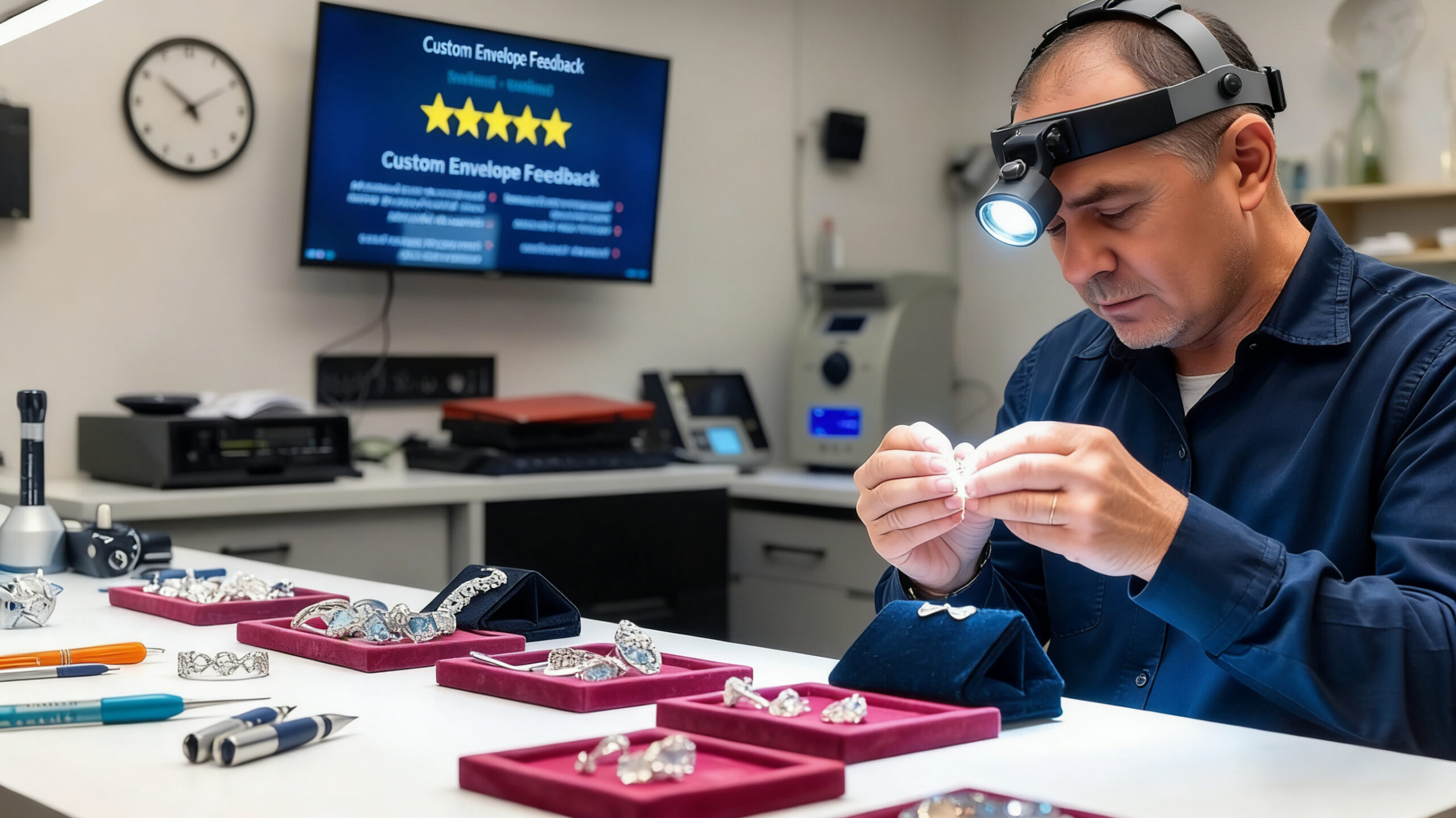
Laser welders for jewelry prove their worth in measurable outcomes—not vague promises. Jewelry businesses track three metrics: repair time per piece, material waste percentage, and customer return rate. The numbers shift after switching from torch to laser.
Speed Gains in High-Volume Repair Shops
A Miami Beach repair shop logged their workflow before and after installing a LaserStar 993 Desktop. Ring sizing jobs dropped from 18 minutes to 2.5 minutes. That’s a 7X speed increase on their most common service. Chain soldering fell from 12 minutes to 90 seconds. They handle over 200 repairs each month. This recovered 40+ billable hours. At $85 per hour shop rate, that’s $3,400 in recovered revenue each month.
Material Waste Reduction in Production Settings
A Los Angeles manufacturer produces 500+ pieces each week. They switched from torch soldering to Sisma LM-T250 for gold jewelry welding. Their precious metal waste dropped 22% in the first quarter. Laser precision eliminated overspray. It also removed excess solder cleanup. They purchase $50,000 in gold each month. That 22% reduction saved $11,000. The machine paid for itself in 9 months through reduced scrap costs alone.
Stone-Safe Repairs Drive Customer Retention
A Denver jeweler specializes in silver jewelry repair. They tracked customer complaints before and after laser adoption. Before: 12% of repairs required stone resetting after heat damage. After installing MaxWave QW laser welder: zero heat-related stone damage over 6 months. This covered 400+ repairs. Their Yelp rating jumped from 4.1 to 4.8 stars. Repeat customers increased 35%.
Expert Recommendations and Final Verdict
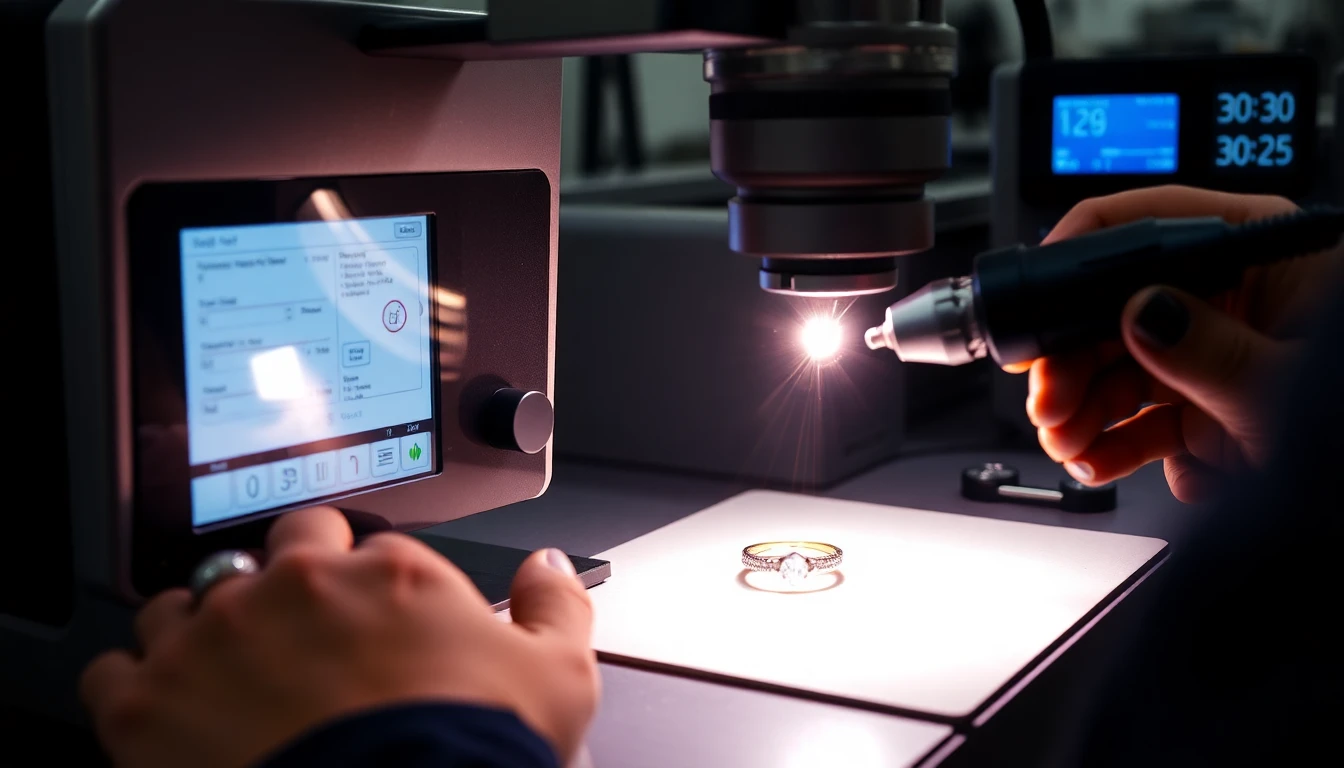
Four machines dominate the jewelry laser welding market. Each excels for different reasons. Your choice depends on volume, precision needs, and budget—not brand reputation alone.
For permanent jewelry artists and weekend repair work: Orion mPulse 2.0 ($2,500). Ideal for permanent jewelry and light repairs. The lower power helps prevent burning through delicate chains. Affordable pricing means most users can break even after just a few events.
Growing shops on a budget: MaxWave QW Series ($3,300–$4,400). A smart step up from entry‑level machines without a big price jump.
It handles both fine prong work and everyday repairs like ring resizing. Faster than torch work and easy to maintain, it’s a great fit for jewelers who are starting to take on steady repair jobs.
For established repair shops running 4-6 hours per day: Sisma LM-T250 ($8,000-$10,000). More power for thicker platinum and complex repairs. Stable output, less material waste, and higher efficiency make it a solid long‑term investment, with typical payback in about a year.
For high-volume production workshops: LaserStar 993 Desktop ($10,000+). Built for speed and uptime. It runs all day without slowing down and dramatically cuts repair times for jobs like ring sizing—ideal for busy workshops.
For industrial production lines: Orotig Revo X² ($29,995+). Designed for continuous, high‑volume production. This machine only makes sense when output is very high.
One‑line takeaway:
- Light use → Orion
- Want to upgrade without overspending → MaxWave
- Busy daily repairs → Sisma / LaserStar
- Factory‑level production → Orotig
If you want, I can also make this into a comparison table or a more sales‑focused version for your website.
Conclusion
Finding the best laser welder for jewelry? It’s not about buying the priciest machine. Match the technology to what you actually need. Professional jewelers get surgical accuracy with the LaserStar iWeld 993. Growing workshops love the versatile MaxWave QW Series laser welder. Hobbyists can start with the affordable Orion mPulse. The right pulse laser welding system takes your work from good to exceptional.
The jewelry world has changed. Traditional soldering can’t match modern precision jewelry welding equipment. You get pinpoint control. The heat-affected zones stay small. A good laser welder cuts material waste. It speeds up your turnaround times. Plus, you can handle tricky gold jewelry welding and delicate silver jewelry repair that seemed impossible before.
Ready to upgrade your jewelry workshop equipment? List your main applications first. Match them to the specs we’ve shared. Take your time with this choice. It shapes your craft’s future. The best welder? It’s the one running in your workshop tomorrow, not stuck on your wish list.
Your next masterpiece is waiting. Make it happen. Get started today—request pricing or a demo and see which jewelry laser welder is right for your shop.