
Thin metal welding distortion is one of the most costly problems in sheet metal fabrication. A warped stainless steel panel often translates to scrap, rework, and loss of customer trust. The root cause lies in the excessive and poorly controlled heat input of traditional welding processes (like TIG/MIG), which leads to an excessively wide Heat-Affected Zone (HAZ), causing uneven expansion and contraction.
Laser Welding fundamentally alters this physical process. By utilizing an extremely high energy density (up to 100 times greater than traditional arc welding) and very fast welding speeds, it concentrates heat precisely and rapidly in a tiny area, achieving low heat input welding. This not only dramatically reduces the HAZ width from 5-10mm to 0.5-2mm but also controls distortion in thin sheets (e.g., under 1mm) to under 0.1mm, compared to 0.5-2mm typical of conventional methods.
How Laser Welding Controls Thin Sheet Deformation at the Source
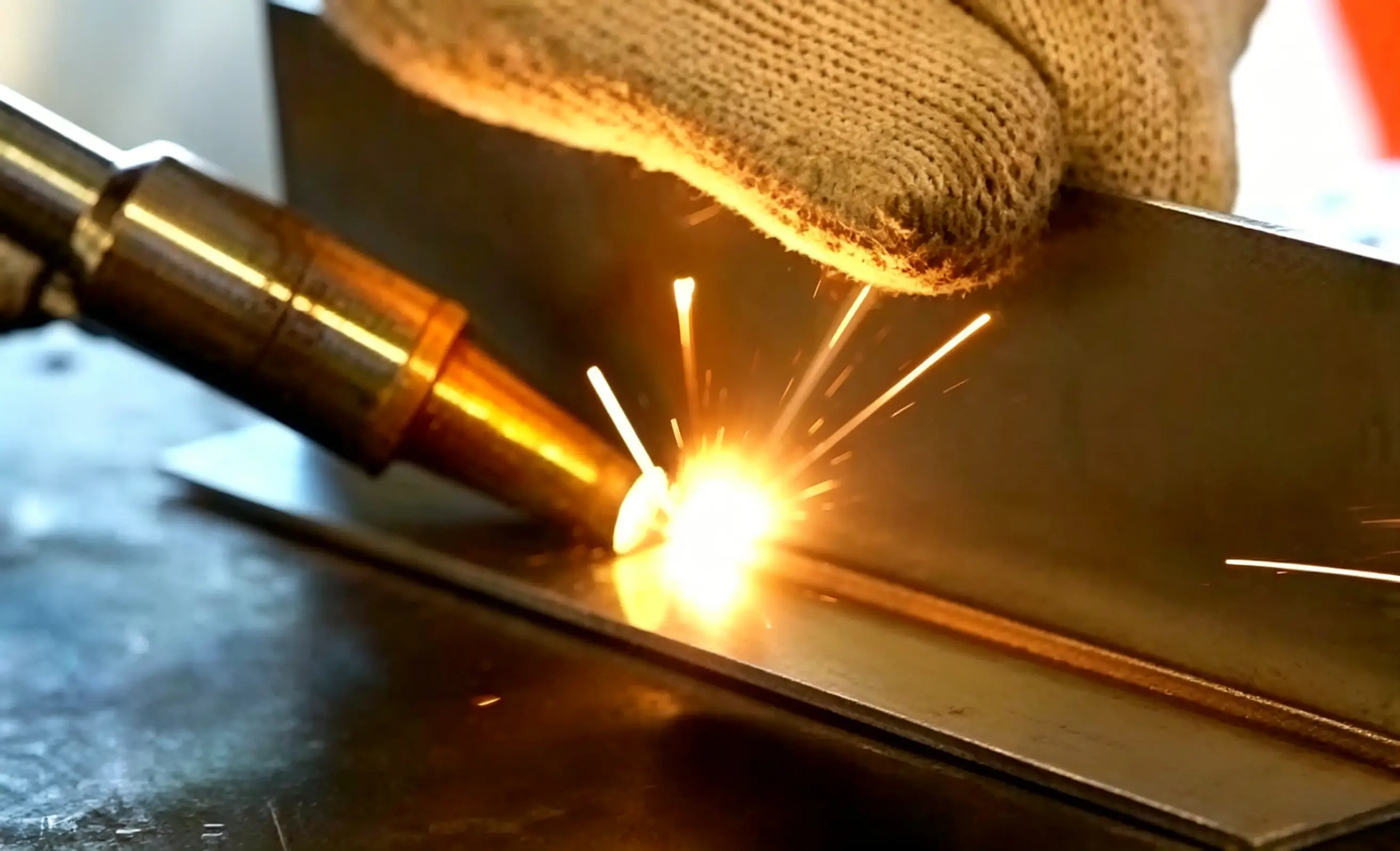
Laser welding features highly concentrated energy and low heat input, effectively limiting heat diffusion during welding. Short action time and narrow fusion zone greatly reduce thermal expansion and cold contraction of thin materials. It efficiently controls internal stress generation and avoids large-area warping and bending.
With optimized working modes, laser welding shortens heating time and narrows the heat-affected range. It keeps the base metal in a stable state during processing, cutting deformation risks by a large margin. For ultra-thin materials that are sensitive to high temperature, this working mode maintains flat surface and complete structural performance after welding.
Laser Welding vs Traditional Welding: Deformation Control Performance
Choosing a welding method essentially means choosing how to control heat and its consequences.
|
Key Factor |
Laser Welding |
TIG Welding |
MIG Welding |
|---|---|---|---|
|
Heat Input & HAZ |
Very Low, narrow HAZ (0.5-2mm) |
High, moderate HAZ (3-8mm) |
Very High, wide HAZ (5-10mm+) |
|
Distortion Control |
Excellent (50-80% less distortion) |
Moderate |
Poor |
|
Welding Speed |
Extremely Fast (up to 4x TIG) |
Slow |
Moderate |
|
Material Suitability |
Stainless, Aluminum, Copper, significant advantage for thin sheet |
Good versatility, prone to distortion on thin sheet |
Suitable for medium-thick plate, high spatter/warpage on thin sheet |
Core Advantage Analysis: Why Laser Welding “Locks In” Distortion?
-
Precise Energy Deposition: Laser forms a deep, narrow melt pool via the keyhole effect (depth-to-width ratio up to 10:1). Heat transfers primarily in the depth direction with minimal lateral spread, fundamentally limiting the thermal stress zone.
-
Very Low Total Heat Input: According to the formula Heat Input = Power / Speed, the ultra-high welding speed of lasers drastically reduces heat accumulation per unit length, effectively suppressing overall temperature rise and distortion.
-
Smaller Weld Pool & Shrinkage: The narrow, deep pool produces a more concentrated and smaller contraction force upon solidification, avoiding the large-area warping caused by wide, shallow pools.
Practical Guide: Maximizing Distortion Control with Laser Welding
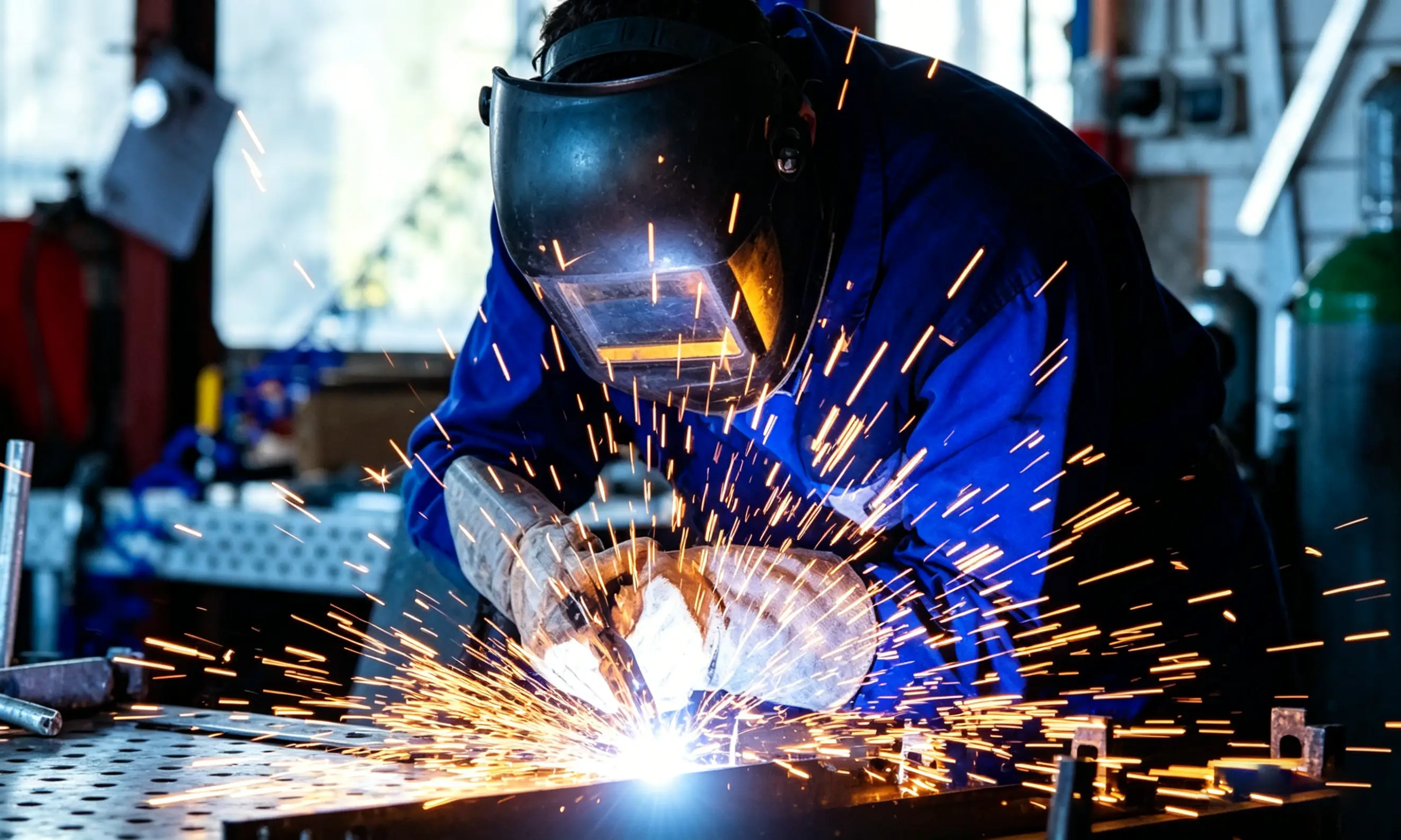
Understanding the theory requires the right process strategies to ensure results. Here are the core optimization strategies for thin metal laser welding:
-
Material & Parameter Matching:
-
Stainless Steel (<2mm): Use Pulsed Mode, power 1-2kW, speed 2-5 m/min, keeping heat input below 1 J/mm. Low duty cycle (10-30%) allows material cooling between pulses.
-
Aluminum Alloys: Requires 20-50% more power to overcome high thermal conductivity. A Pulse + Preheating strategy is effective, and rigid fixturing is mandatory to counter its high Coefficient of Thermal Expansion.
-
-
Focus Position is Key: Negative Defocus (focus 0.5-1mm below workpiece surface) creates a narrower melt pool and HAZ, reducing HAZ width by 20-30% compared to positive defocus. This is a crucial yet often overlooked detail in parameter sheets.
-
Five Key Production Strategies:
-
Backside Cooling: Using water-cooled or copper backing plates to absorb underside heat can reduce distortion by 30-50%.
-
Smart Fixturing: For ultra-thin parts (<1mm), elastic constraints outperform rigid clamps, reducing warping and residual stress by up to 40%.
-
Weld Sequencing: Employing symmetrical, alternating, or backstep welding sequences allows shrinkage stresses to counteract each other, potentially reducing distortion by 50%.
-
Joint Design: Avoid sharp corners, use radiused transitions; moderately increase weld width (2-3x material thickness) to distribute stress.
-
Post-Weld Treatment: Stress relief annealing at 600–800°C for stainless steel thin sheet can eliminate 40-60% of residual stress, stabilizing dimensions.
-
Industry Applications: From Theory to Production Line
-
Automotive Manufacturing: Welding and repair of high-strength steel and aluminum body panels (<2mm). Laser welding delivers near-zero distortion while maintaining high speed.
-
Medical & Electronics: Precision components like titanium implants and stainless steel sensor housings require distortion under ±0.1mm. Laser welding, with its sub-millimeter HAZ, is the only reliable choice.
-
Aerospace & Mold Repair: When repairing high-value turbine blades or molds worth tens of thousands, a single out-of-spec distortion means scrap. Laser welding controls distortion to under 0.5mm without adding filler metal weight.
Conclusion
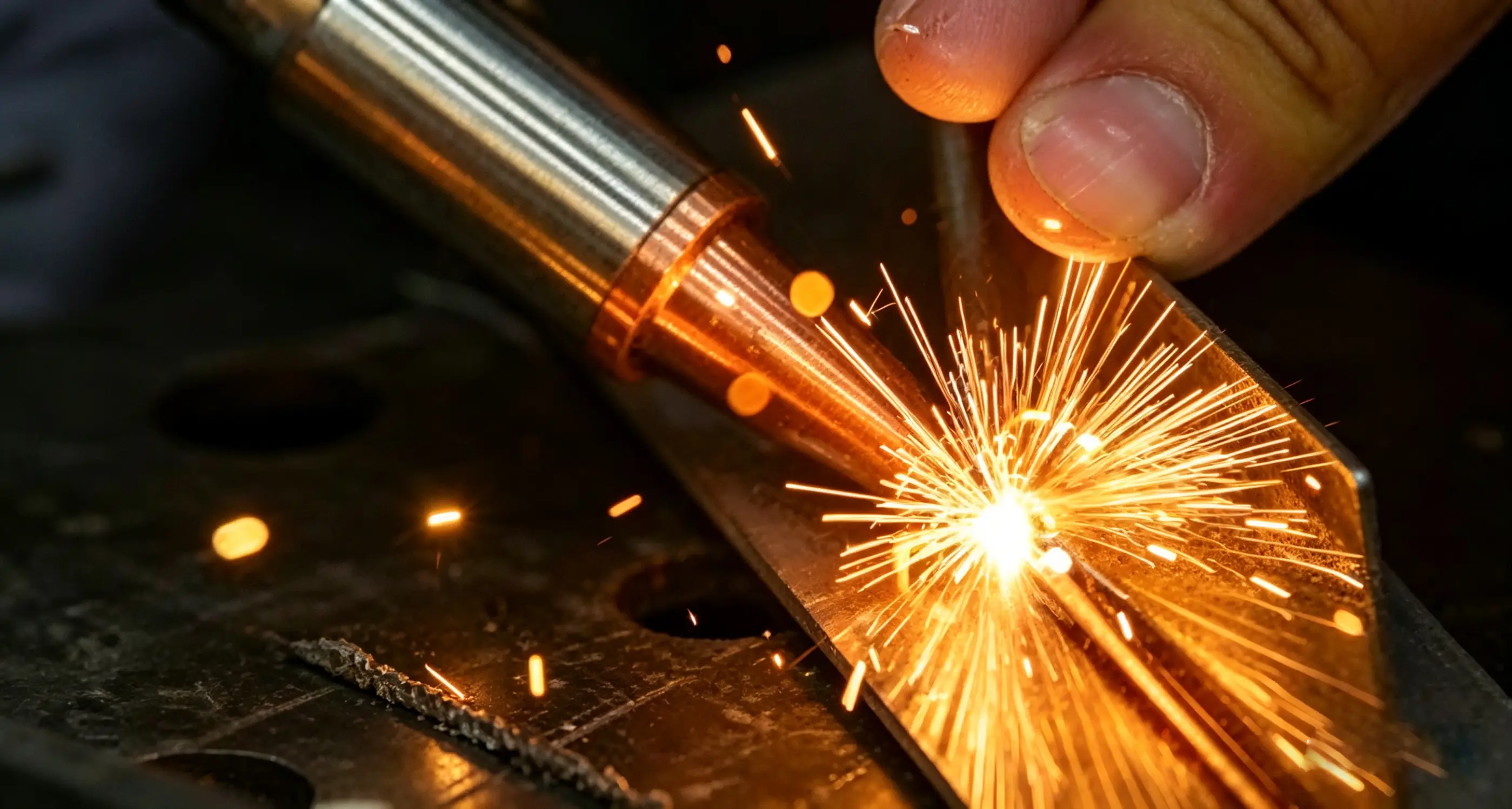
Thin metal distortion is not an insurmountable process challenge but a heat management problem. Laser Welding, through its physical advantages of high energy density, low total heat input, and a narrow HAZ, tackles the three root causes of distortion at the source: uneven thermal expansion, residual stress, and thin-section instability.
This is more than an equipment upgrade; it’s a shift in production philosophy—from “correcting after welding” to “preventing during welding.” When working with 18-20 gauge stainless steel enclosures, lithium battery thin tabs, or medical micro-components, choosing the right welding process translates directly to significant savings in rework, scrap, and time.
MaxWave deeply understands the pursuit of zero-distortion in thin metal precision manufacturing. Our laser welding solutions are designed to transform the theoretical advantages above into stable, repeatable, high-quality output on your production line. If you are ready to eliminate scrap and delays caused by welding distortion, MaxWave professional team is ready to provide customized process validation and equipment selection advice based on your specific materials, thicknesses, and production volumes.