
Antique brass ornaments, door handles and candlesticks will gradually form gray-green tarnish after long-term use and storage. Improper scrubbing or corrosive household cleaners will permanently wear off unique antique patina and blur delicate carved patterns. Below are five practical cleaning solutions sorted by cleaning intensity. Before operation, a comparison table intuitively shows the pros, cons and applicable scenarios of all methods, highlighting the comprehensive advantages of laser cleaning for antique brass restoration.
Comparison Table of 5 Brass Cleaning Solutions
|
Cleaning Method |
Cleaning Strength |
Damage to Antique Patina |
Core Disadvantages |
Best Applicable Scenarios |
|---|---|---|---|---|
|
Warm Neutral Soapy Water |
Low |
No damage |
Only remove surface dust, invalid for oxidation |
Lacquered brass, high-value collectibles daily maintenance |
|
Lemon Juice & Baking Soda Paste |
Low-Medium |
Slight wear |
Limited cleaning power, frequent use thins metal |
Solid unlacquered brass with light tarnish |
|
Tomato Ketchup Paste |
Medium |
Moderate wear |
Weak acid erodes metal surface micro-layer |
Common functional brass hardware with moderate tarnish |
|
Vinegar + Salt + Flour Paste |
Medium-High |
Severe patina stripping |
Acid salt corrodes plating, residue hard to clean |
Low-value brass with heavy oxidation |
|
Fiber Laser Cleaning Machine |
High |
Fully controllable, zero unnecessary wear |
One-time equipment investment |
All antique brass, high-value heirlooms, batch restoration work |
Quick Pre-Cleaning Judgment Rules
-
Magnet test: Magnetic items are brass-plated metal; avoid all acid cleaners.
-
Lacquer identification: Cracked transparent surface coating cannot use acidic pastes.
-
Patina retention principle: Dark oxidation inside engraving is historical texture, avoid over-cleaning to mirror brightness.
Method 1: Lukewarm Neutral Soapy Water
Suitable for lacquered brass, high-value collectibles and daily brass har
dware maintenance.

Supplies
Soft microfiber cloths, soft makeup brush, fragrance-free neutral soap, two clean water bowls, cotton swabs for narrow carved grooves.
Operation Steps
-
Wipe loose dust top to bottom with dry cloth before touching water.
-
Mix 2 drops neutral soap into 500ml 25–30°C warm water, wring cloth until damp without dripping.
-
Clean 5×10cm small areas with light straight strokes, no circular scrubbing.
-
Wipe soap residue immediately with clean water cloth, fully dry within 2 minutes; use cotton swabs to absorb hidden moisture in recesses.
Stop Signal
Uneven bright patches or cloth stuck on metal surface means stop cleaning at once. This is the weekly routine maintenance method for brass products with complete patina.
Method 2: Lemon Juice & Baking Soda Paste
Only for solid unlacquered brass with light to moderate tarnish; forbidden for plated, lacquered and top-tier antique collectibles.
Mix Ratio
1 tbsp fresh lemon juice + 1–1.5 tsp baking soda, wait 1 minute for fizz to subside to form toothpaste-thick paste. Add baking soda if the mixture is too runny.
Operation Steps
-
Patch-test on the hidden bottom for 3 minutes, rinse and check for pink discoloration, frosted patina or coating peeling. Abandon this method if damage appears.
-
Apply thin paste on palm-sized sections, leave for 5–10 minutes maximum, wipe gently without hard scrubbing.
-
Thoroughly flush paste residue in engraving gaps, dry completely, then coat a thin layer of mineral oil to slow re-tarnish.
Usage Limit
Only use 1–2 times a year to prevent long-term thinning of brass base material.
Method 3: Tomato Ketchup/Tomato Paste
Ideal for functional solid brass hardware with obvious dark tarnish: door handles, candlestick bases, drawer pulls. Not applicable for high-value antiques, lacquered/plated brass and items with wood or leather inlay.
Operation Steps
-
Spread 1mm thick tomato paste over tarnished areas, brush carved grooves to fill all oxidized crevices.
-
Strictly control time: light haze 15–20 mins, moderate tarnish 30–45 mins, heavy oxidation maximum 60 mins; check surface state every 10 minutes.
-
Rinse under running warm water for 30 seconds until no slippery residue, dry completely right away.
Core Risk Reminder
The weak acid in ketchup will dissolve micro metal layers on the surface. Multiple uses will erase the unique aged texture of vintage collectibles. If one round fails, take several short treatments instead of extending contact time.
Method 4: Vinegar + Salt + Flour Paste
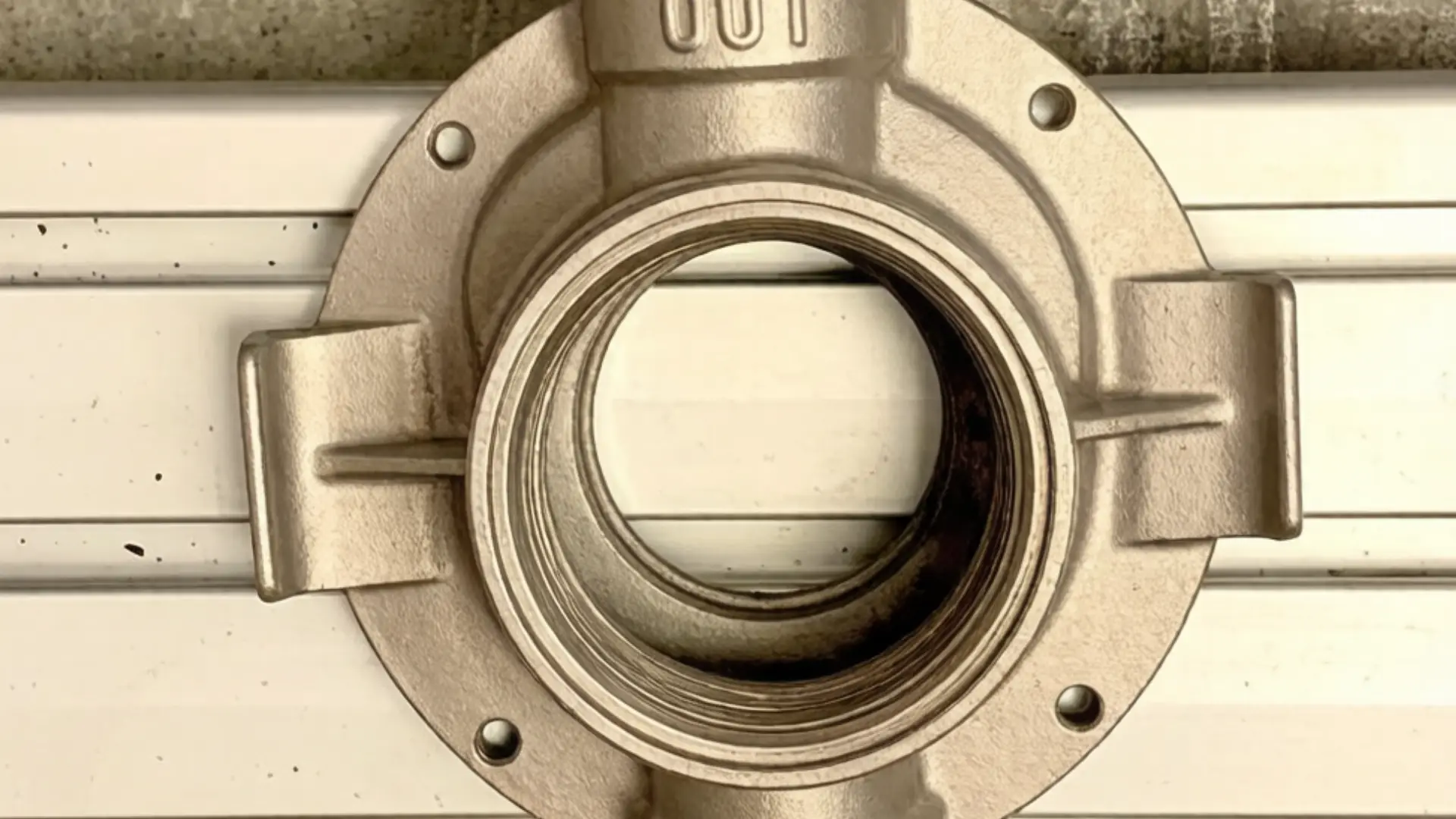
Only use when the first three methods fail to remove heavy oxidation on low-value solid brass. Flour locks the acid-salt mixture on the metal surface for deep de-tarnishing.
Mix Ratio
½ cup white vinegar + 1 tsp salt, add flour and stir into thick hummus texture, adjust proportion according to the size of brass items.
Operation Steps
-
Spread even paint-thick paste on the surface, brush deep into engraved lines with a soft brush.
-
Inspect the surface every 15 minutes, total treatment time shall not exceed 60 minutes.
-
Rinse thoroughly with warm water, dry instantly, then coat mineral oil for anti-tarnish protection.
Strict Restrictions
Never apply to plated brass and finely carved antiques; acid salt mixture quickly corrodes plating, and paste residue is hard to clear from tiny grooves.
Method 5: Fiber Laser Cleaning Machine — Ultimate Safe Solution for Antique Brass Tarnish Removal
All the above four manual chemical cleaning methods have unavoidable defects: uneven cleaning effect, irreversible wear on brass surface, residual acid eroding carving gaps, frequent repeated cleaning, waste of labor and supplies, and potential safety hazards of corrosive liquids. Fiber laser cleaning is the optimal replacement solution for antique brass restoration, completely solving all pain points of manual cleaning.
Core Advantages of Laser Cleaning for Antique Brass
-
Controllable patina retention, zero base metal damage
Adjustable laser power precisely targets only surface tarnish and oxidation layer. Operators can lock the cleaning range freely, retain the dark aged patina inside carved grooves as needed, and avoid over-polishing flat surfaces. No friction contact, no micro-scratches on brass texture.
-
Chemical-free, environmentally friendly & low follow-up cost
No lemon, vinegar, ketchup or polishing paste required. No acid residue trapped in intricate patterns, eliminating post-cleaning repeated rinsing procedures. No recurring purchase of cleaning supplies, one machine can serve long-term batch restoration of all brass antiques.
-
High efficiency for mass processing
Manual cleaning takes dozens of minutes for a single brass candlestick, while laser cleaning only needs several minutes to finish de-tarnishing. It perfectly matches antique shops, restoration studios and metal craft factories with large daily processing volume.
-
Complete safety protection for operators and antiques
Equipped with standardized safety interlock protocols, effectively prevent laser radiation and liquid splashing risks compared with chemical cleaning. No corrosion damage to solder joints, gilding and enamel decorations on high-value brass antiques.
Applicable Scenarios
High-value antique brass heirlooms, brass art sculptures, antique hardware batches, jewelry brass pieces, collectible brass crafts with complex carving details.
Long-Term Brass Maintenance Tips
-
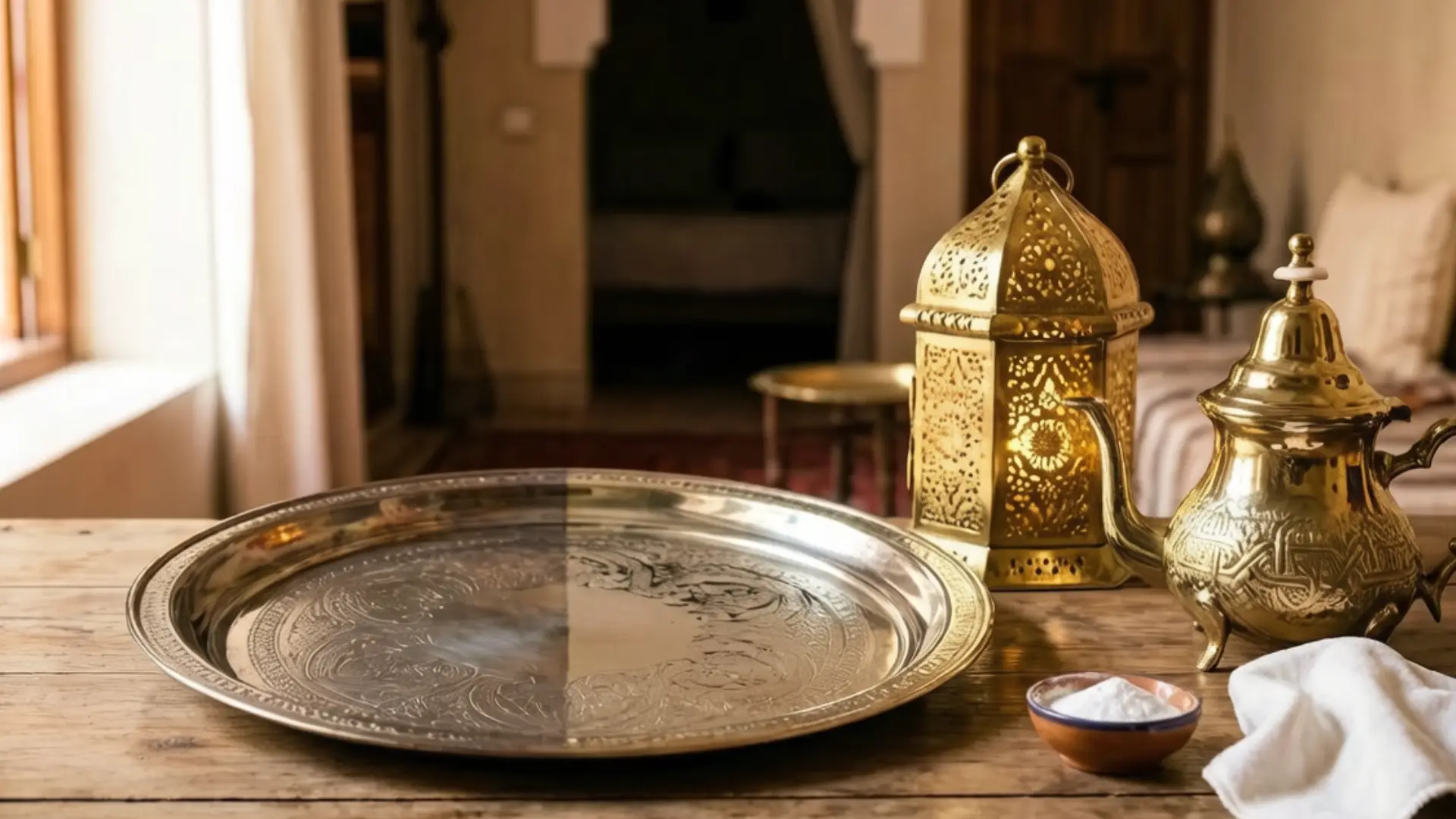
Weekly dry wiping routine: Wipe dust and finger oil with dry microfiber cloth; increase frequency to 2–3 times weekly in humid coastal areas.
-
Mild touch-up cleaning: Use slightly damp soap cloth only for stubborn fingerprints, rinse and dry instantly, then coat thin mineral oil for protection.
-
Humidity control: Keep indoor humidity at 40–55% to slow oxidation; stay away from direct sunlight and heating equipment.
-
Anti-stain operation: Wear nitrile gloves when touching collectible brass to avoid sweat chloride causing local dark spots.
-
Display protection: Coat microcrystalline wax every 3–6 months to extend the anti-tarnish cycle.
When to Abandon DIY Cleaning & Choose Laser Restoration
If your brass piece has powdery green active corrosion near solder seams, original gilded/enamel patterns, structural cracks, or formal appraisal collection value, stop all household cleaning at once. Acid and abrasive manual treatment will cause permanent irreparable damage. Professional laser cleaning equipment can achieve precise, safe de-tarnishing without damaging the antique’s historical value.
Conclusion
When restoring tarnished antique brass, follow the principle from mild to strong cleaning to protect precious natural patina. Warm soapy water is for daily maintenance; lemon paste and ketchup handle light and moderate tarnish on ordinary brass decorations; vinegar flour paste can only clean heavily oxidized low-value products; all manual chemical cleaning methods have obvious defects such as metal wear and residual corrosion.
For antique restoration merchants, high-value heirloom processing and batch industrial de-tarnishing, fiber laser cleaning machines are the most ideal solution with controllable patina retention, high efficiency and zero chemical pollution.
Maxwave is a professional laser equipment manufacturer with 15 years of industry experience, supplying customized fiber laser cleaning machines specially optimized for antique brass surface restoration. Our laser cleaning equipment meets global safety standards, supports full personalized parameter adjustment for different brass tarnish degrees, and comes with complete after-sales maintenance system. Besides laser cleaners, we also provide laser welding, laser marking, wall printing and robotic arm automation equipment for metal craft processing industries.