
Spending $10,000+ on a laser cleaner without knowing what you’re getting is a real risk. Most buyers can’t afford to get it wrong.
The Cleanlaser pulsed laser cleaner shows up in a lot of searches. But solid, unfiltered information about how it performs on rusted steel, painted aluminum, or oxidized welds? Hard to find.
This review cuts through the marketing noise. You get a full technical breakdown, an honest real-world performance assessment, and a head-to-head comparison against the strongest alternatives on the market right now — including one that outperforms Cleanlaser at a lower price point.
Welding tech, maintenance engineer, or shop owner making your first capital equipment decision? By the end, you’ll know which industrial laser cleaner is worth your budget.
Cleanlaser Pulsed Laser Cleaner Review & Best Alternatives
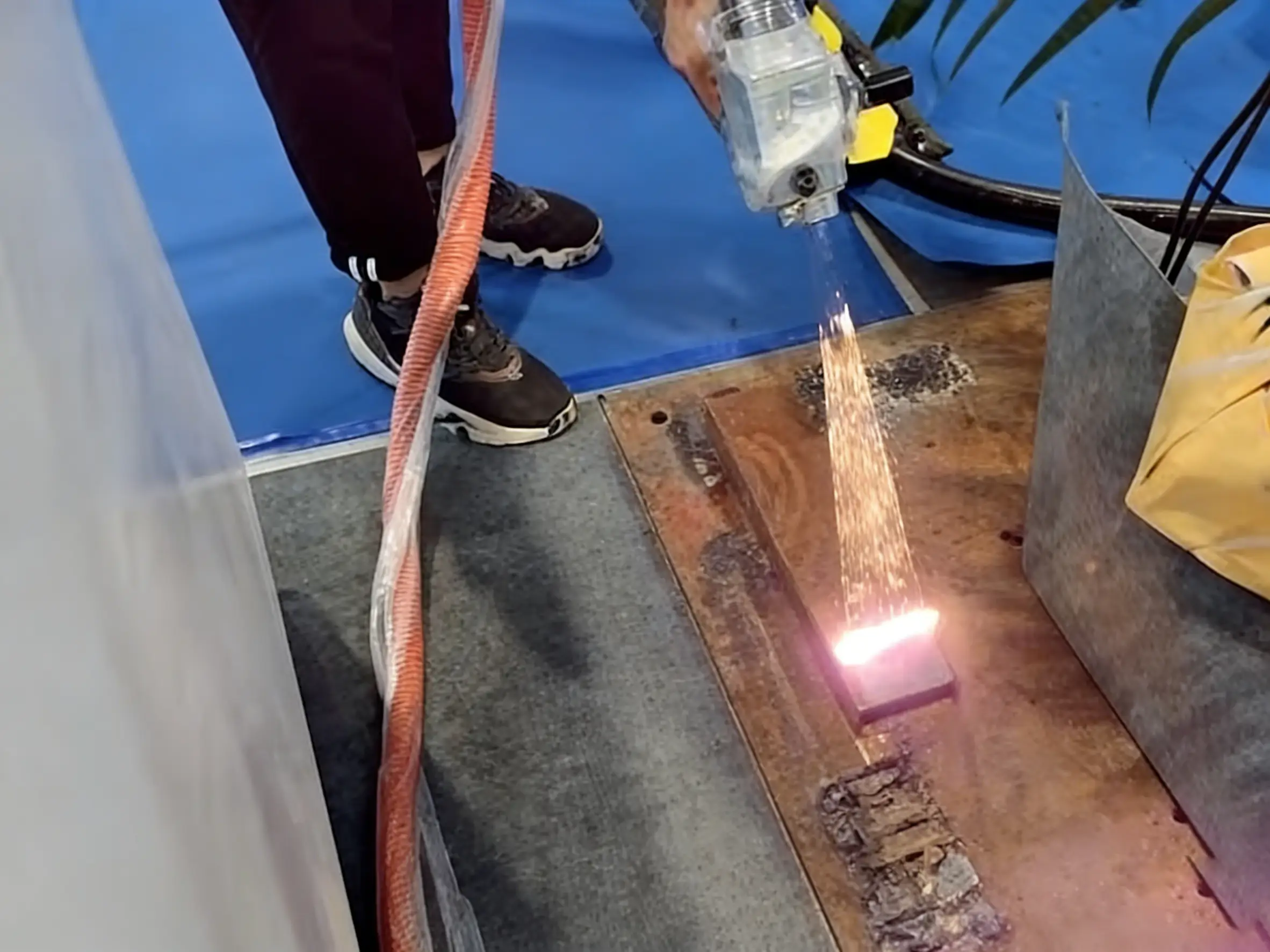
Here’s what this guide covers — and how to use it.
- Full product breakdown: Cleanlaser’s lineup runs from the 20W CL 20 to the 1600W CL 2000. You get real specs here, not marketing fluff.
- Pulsed vs. CW explained: Peak pulse power can reach up to 400kW. That matters more than average wattage for precision surface work.
- Head-to-head comparisons: Cleanlaser goes up against alternatives like Wiselylaser’s JPT Q-Pulse series and LC-CLEAN P. The comparison covers power, pulse width, cooling, and price.
- Application mapping: Find out which machine suits rust removal, paint stripping, weld prep, or delicate substrate cleaning.
- A clear buying recommendation — including one alternative worth a serious look.
What Is Cleanlaser & Who Makes It?
Clean-Lasersysteme GmbH has been building industrial laser cleaners since February 1997. The company is based in Herzogenrath, near Aachen, Germany. That’s close to three decades of focused manufacturing — not a side pivot from some unrelated tech business.
The numbers speak for themselves:
- Around 140 employees
- $30 million in annual revenue before the acquisition
- 2,000 installed systems across the globe
- ISO 14001 certified, 100% made in Germany
In December 2024, IPG Photonics (NASDAQ: IPGP) acquired the company. IPG ranks among the largest fiber laser manufacturers on the planet. That acquisition is a strong signal. It shows institutional-level confidence in Cleanlaser’s technology. It also puts more firepower behind R&D for pulsed fiber laser cleaning systems.
Their client list covers serious industries:
- Automotive OEMs
- Aerospace suppliers
- Medical device manufacturers
- Restoration projects, including the historic Aachen Cathedral
Quick warning on a naming confusion: A Mississippi-based company called “Clean Laser Technologies” exists as a separate business. It is not the original German manufacturer. Before you buy or seek support, confirm you’re working with Clean-Lasersysteme GmbH or an authorized IPG-affiliated distributor. Don’t assume the name alone is enough.
Cleanlaser Pulsed Laser Cleaner Specs & Technical Breakdown
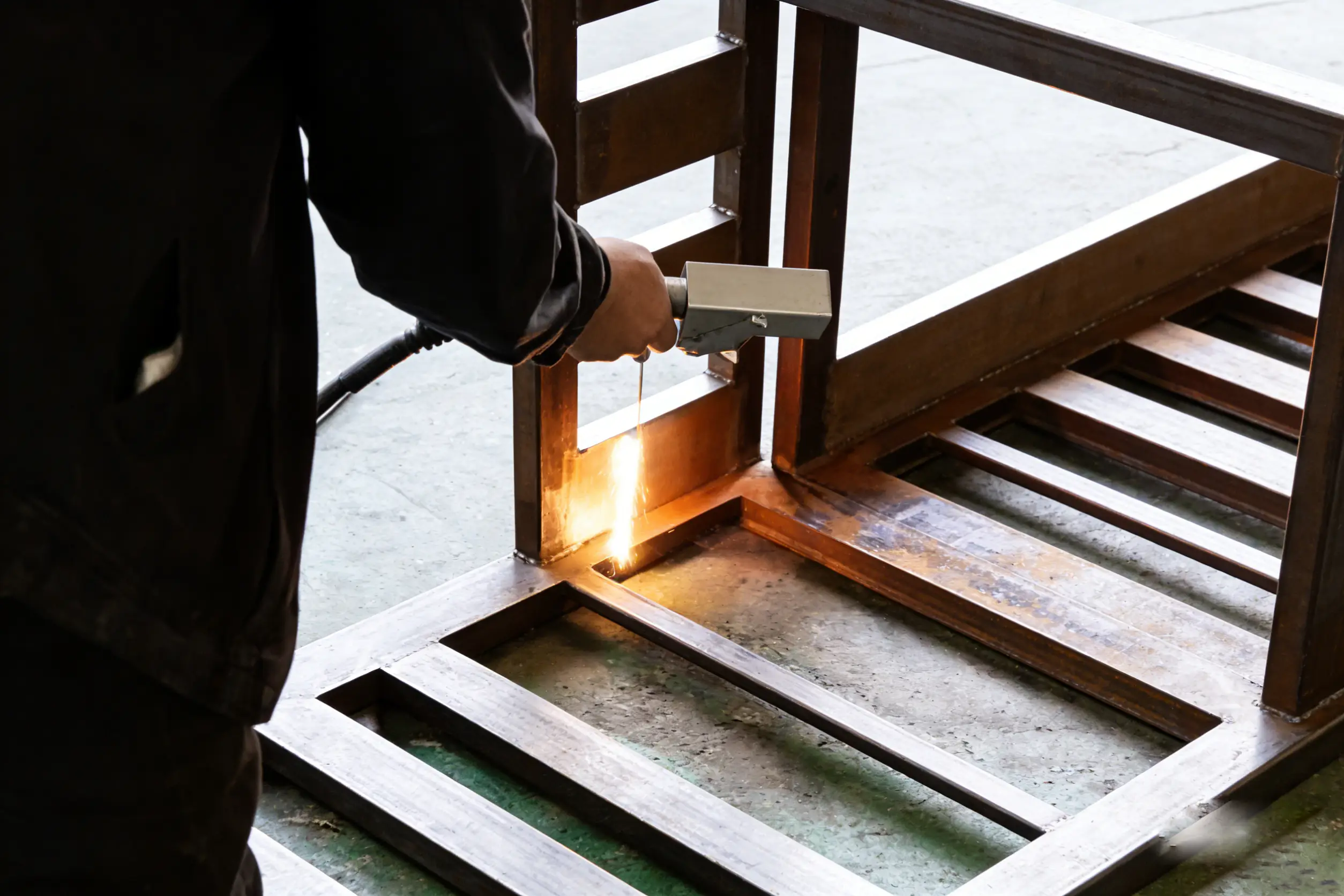
The spec sheet is where marketing claims either hold up or fall apart. Here’s what’s inside these machines.
Cleanlaser’s pulsed lineup runs on JPT MOPA fiber laser sources for the 100W–500W range. Diode-pumped IPG sources power the higher-end CL series up to 1600W CW. That distinction matters. MOPA architecture gives you precise pulse control. This cuts thermal diffusion on sensitive substrates.
Power, Pulse, and Frequency — The Numbers That Matter
| Model Range | Power | Peak Pulse Power | Pulse Duration | Frequency |
|---|---|---|---|---|
| CL 100–300W | 100–300W | 100 kW | 2–500 ns | 1–4,000 kHz |
| CL 500W | 500W | 100 kW | 80–500 ns | 1–1,000 kHz |
| CL Mid/High | Up to 1600W CW | 400 kW | Variable | Variable |
Pulse energy reaches 15 mJ on resonator-based models. The standard MOPA delivers 5 mJ at 300W. All models run at a fixed wavelength of 1064 nm — the go-to standard for metal surface laser cleaning.
Cleaning width ranges from 10 to 240 mm. That range covers a wide spread of job types — tight weld seams on one end, broad panel decoating on the other. Operators get real flexibility without switching tools.
Cooling, Size, and Portability
The 100W–500W models are air-cooled. No water lines. No plumbing setup needed. Weights run from 47 kg to 70 kg. The 100W unit measures a compact 619×469×292 mm. Power draw stays under 1.5 kW across the full pulsed range. Standard facility power handles it with no infrastructure upgrades.
The CL 2000 uses water cooling at 1600W CW. You get sustained high-power output and faster decoating speeds through a “top hat” beam profile. That’s a solid fit for high-throughput industrial environments. For field work, it’s less practical.
Control Interface
A TFT touchscreen manages all parameter adjustments:
– Power level
– Frequency
– Scan speed
– Pulse duration
– Cleaning width
Preloaded material settings shorten the learning curve for new operators. The handheld gun comes with LED alignment pointers and a hard E-Stop. Both are small details that add up during long shifts.
Operational range: 0–40°C, voltage 110–240V, humidity up to 95% non-condensing. All models carry a Class 4 laser rating with built-in anti-reflection protection.
Real-World Performance Test: What Cleanlaser Does
The spec sheet says one thing. The shop floor says another. Here’s what happens when you fire up a Cleanlaser system on real contaminated metal.
Metal Derusting: Where Cleanlaser Earns Its Price Tag
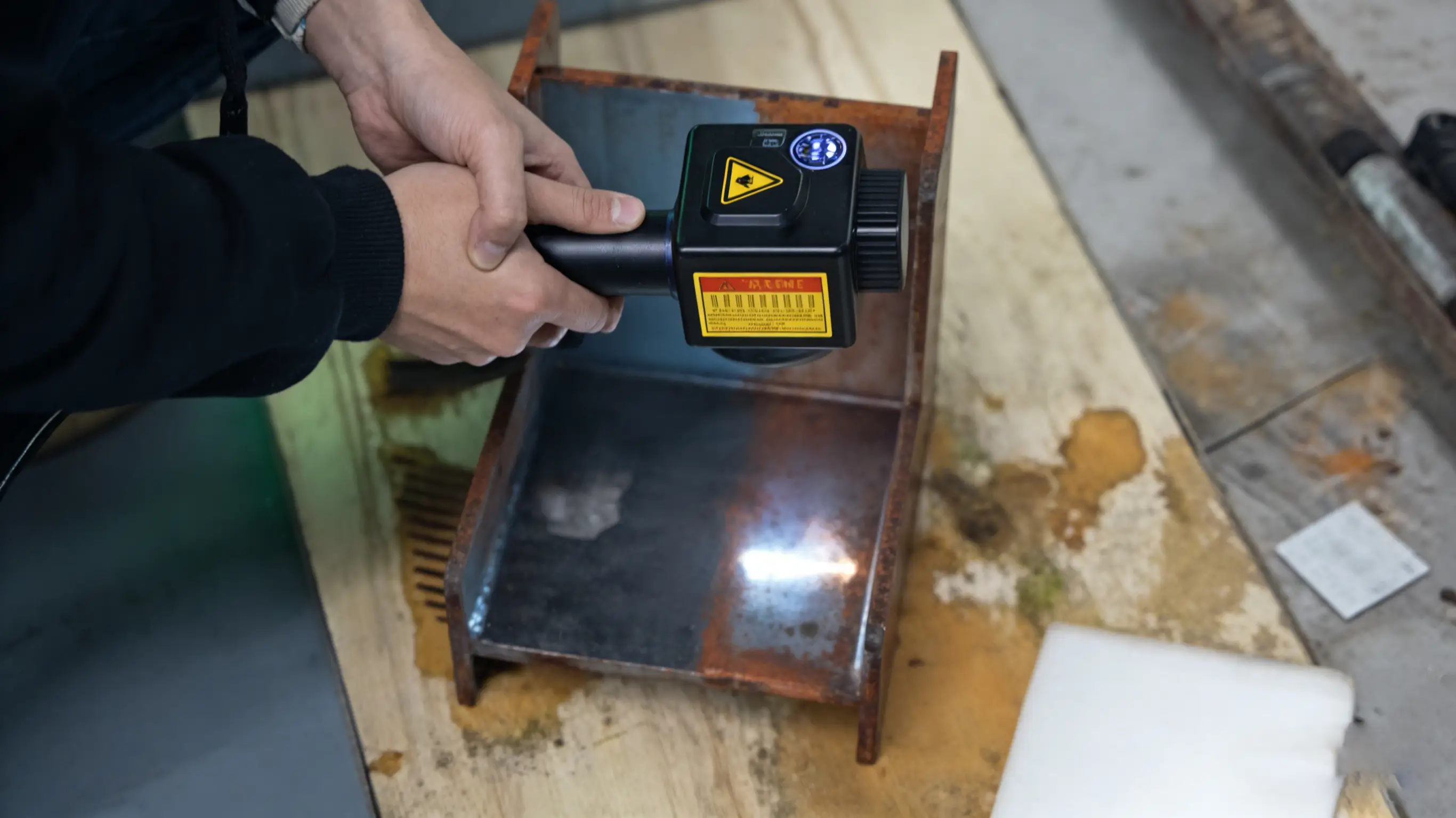
On carbon steel with light surface corrosion, pulsed laser rust removal at 1kW average power delivers results that are hard to argue with. The machine runs at 15kHz, with 67mJ per pulse and ~800kW peak power. It ablates rust through micro-plasma and shockwave action. The heat-affected zone stays minimal. The surface comes out clean — not “good enough for painting” clean, but clean enough for precision welding prep.
Frequency selection is the variable most operators get wrong. Here’s how each setting plays out:
- 100Hz: Smoother finish, less surface pitting — best for weld prep
- 50Hz: More aggressive removal — use on moderate scale buildup
- 30Hz: Full scale removal, but expect a rougher surface texture
That’s a real tradeoff. Smoother isn’t always better. Know your downstream process before you dial in a setting.
Coating and Oxide Removal: The Honest Picture
This is where the marketing narrative gets messy. On tough powder coatings and multi-layer paints, even a 2000W CW-class system at 300mm scan width shows incomplete removal at all frequency settings. A thumbnail-scrape test on treated aluminum reveals leftover residue. Textured surfaces make the problem worse.
Pulsed laser paint stripping does better on precision parts. Low thermal diffusion keeps the base material intact. The tradeoff? It’s slower on large surface areas. Also, the gap in performance between clean lab conditions and real field environments is real and repeatable.
Bottom line on coatings: Cleanlaser handles basic oxide and light rust removal very well. For thick, tough industrial coatings, set your expectations before committing to a pass count.
Precision Parts: Where Pulsed Wins Outright
Short pulse architecture is the right tool for molds, delicate components, and anything where heat damage is a dealbreaker. The ~3cm Rayleigh working range and sublimation-based ablation keep the base material safe. Continuous-wave systems can’t match that level of control. In electronics or pharmaceutical manufacturing — where non-contact laser cleaning is required, not optional — pulsed laser surface cleaning technology is the clear, defensible choice.
Cleanlaser Pros & Cons: Honest Assessment for Buyers
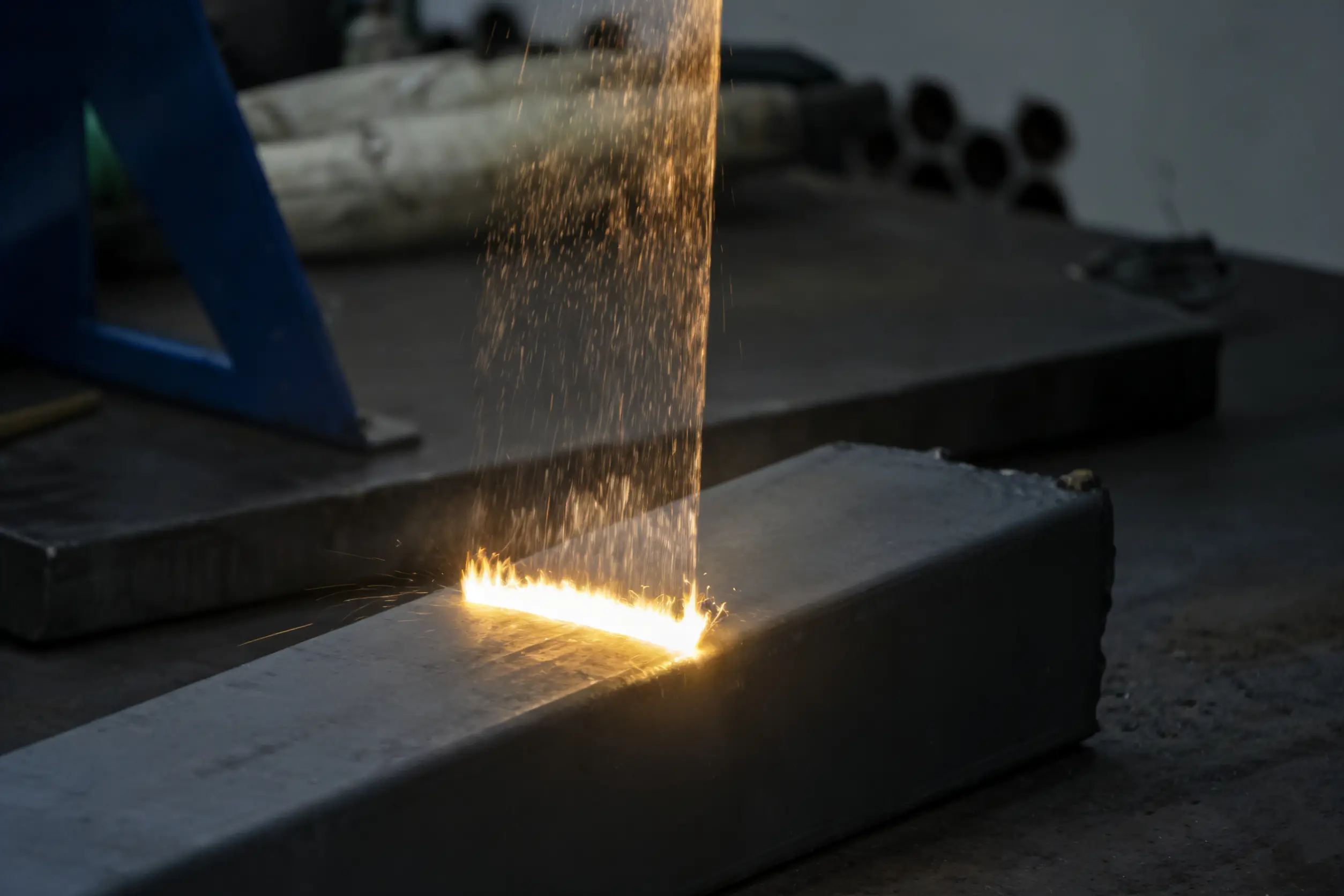
Three decades of German engineering earns some trust. But trust doesn’t pay for equipment — results do.
Here’s what the CL 1000 delivers, and where it falls short.
What Works
Non-contact cleaning that protects your substrate. The 1064 nm fiber laser removes rust, oil, weld residue, and coatings using photothermal and photomechanical action. The base material stays intact. No grinding. No chemical contact. No surface distortion on calibrated passes.
Zero chemical overhead. No solvents to buy, store, or dispose of. That alone can cut $10,000–22,000 per year in chemical, disposal, and abrasive costs. Most buyers find the ROI case builds faster than they expect.
Mobile enough for an industrial unit. The wheeled base and up to 50 m fiber optic cable give the CL 1000 solid reach across a shop floor or shipyard bay. For a 490 kg machine, that’s a real operational advantage.
What Doesn’t
Power consumption is significant. The CL 1000 pulls up to 10 kWh at peak draw. You need a dedicated 3×16A, 400V supply and external water cooling. Plan for that infrastructure before the machine arrives. Budget for it too.
This is not a one-person, day-one operation. Class 4 laser classification means full enclosure, interlocks, and PPE are required — no exceptions. Operators need proper training. Skipping that step isn’t a calculated risk. It’s a liability.
490 kg doesn’t move like a handheld laser cleaner. Your workflow may need frequent repositioning across tight spaces or elevated structures. This unit’s footprint becomes a real constraint in those situations.
Thick coatings take time. Heavy multi-layer buildups need adjusted power and multiple passes. On sensitive substrates, surface texturing can appear if you don’t dial in the parameters first.
The ROI Reality Check
High-volume manufacturing and shipyard operations see payback in 1–2 years. Lower-volume shops running occasional cleaning cycles face a longer 2–3 year recovery. The ongoing 10 kWh draw and cooling overhead factor into that timeline. Know your utilization rate before you sign a purchase order.
Pulsed vs. Continuous Wave (CW) Laser Cleaner: Which Do You Need?
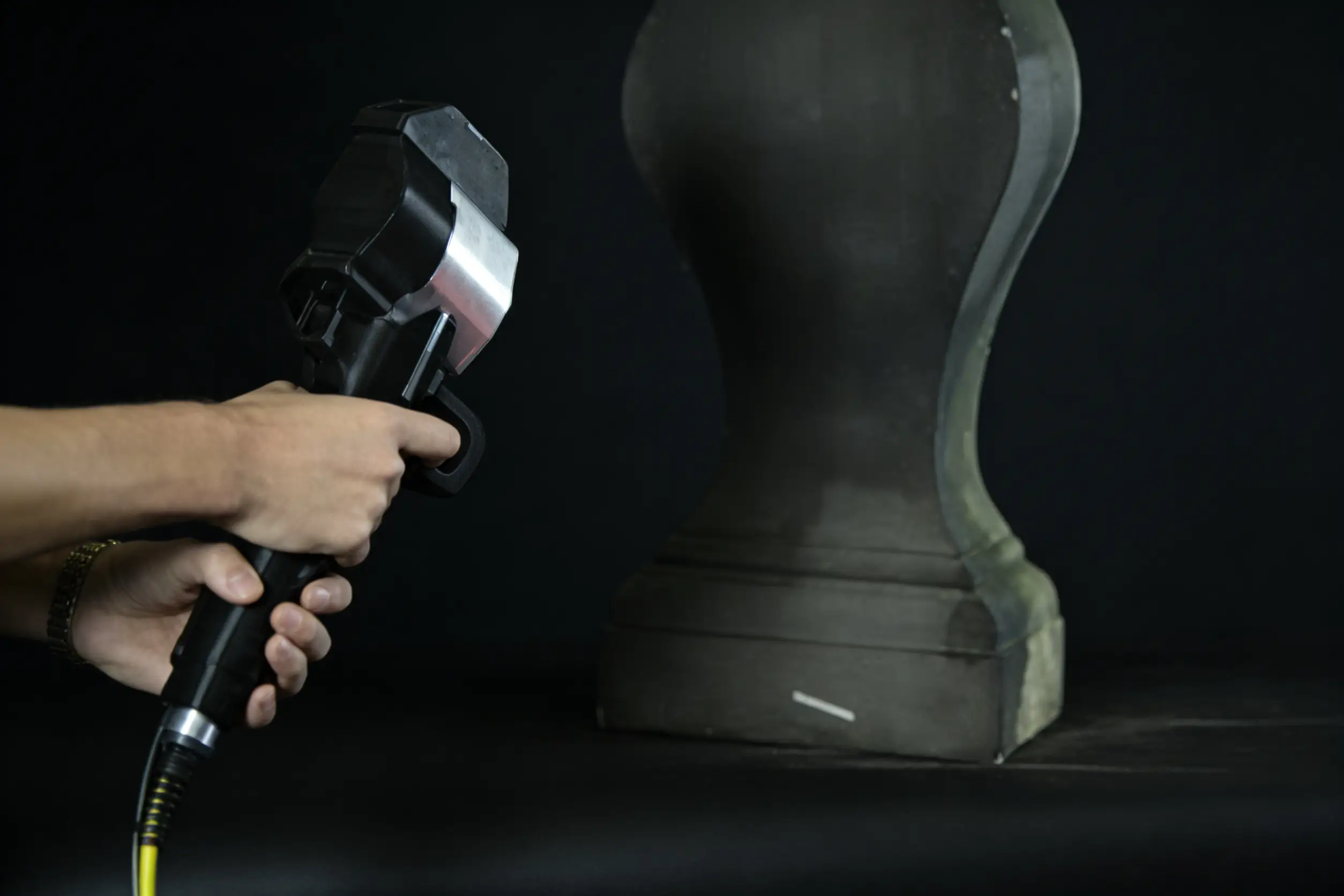
Two technologies. One decision that determines whether your investment pays off — or sits unused.
The difference comes down to how energy hits the surface. Pulsed systems deliver 100–500W average power in nanosecond bursts. Peak intensity spikes high enough to vaporize contaminants through shockwave action, not heat. The substrate feels almost nothing. CW systems run 1500–3000W+ in a steady stream — a sustained thermal burn that clears large areas fast, but leaves a clear heat-affected zone behind.
Speed benchmark that tells the real story: A 2000W CW system clears around 50% of a rust-covered metal panel in 23 seconds. A 200W pulsed unit covers a small area in 30 seconds — with zero etching lines. Both numbers are correct. They just answer different questions.
Here’s the practical decision matrix:
| Your Situation | Choose |
|---|---|
| Aluminum, thin metals, precision molds | Pulsed |
| Heat-sensitive substrates, electronics, stone | Pulsed |
| Ship hulls, structural steel, >1m² flat surfaces | CW |
| Paint, powder coatings, delicate restoration | Pulsed |
The wrong choice costs you. Use CW on precision molds or painted plastics, and you risk ignition, deformation, and rework costs 2–5x your cleaning budget. Use pulsed on a ship hull rust job, and labor costs jump 300% from the speed loss alone.
Simple rule: surface area under 1m² and heat-sensitive → pulsed. Large flat metal, thick rust, high volume throughput → CW.
Best Cleanlaser Alternatives: Head-to-Head Comparison
Six machines. Real numbers. One clear winner for most buyers.
Cleanlaser’s German roots and IPG backing are genuinely impressive. But impressive doesn’t always mean right for your budget, your workflow, or your shop floor. The alternatives below aren’t consolation prizes. Several of them beat Cleanlaser on specific metrics that matter more than brand name.
Here’s the full breakdown.
Core Specs at a Glance
| Model | Power | Pulse Energy | Cooling | Portability | Price Range | Certs |
|---|---|---|---|---|---|---|
| MaxWave MW-LY300 | 300W | Up to 100mJ | Air/Water | Handheld, modular | $15–25K | CE, ISO |
| STYLECNC LCP200 | 200W | 50–80mJ | Water | Portable handheld | $10–18K | CE |
| Riselaser RL-C200 | 200W | 60mJ | Air | Suitcase design | $12–20K | CE, FDA |
| Laser Photonics IC-2010 | 1000W | 100mJ+ | Water | Handheld/fixed | $25–40K | UL, CE |
| Adapt Laser CL150 | 150W | 40mJ | Air | Compact portable | $8–15K | ISO, CE |
| MCWlaser 100W | 100W | 30–50mJ | Air | Backpack/handheld | $5–10K | CE |
Prices reflect 2024 market averages. Cleanlaser CL1000 reference: €50–70K, water-cooled, 1000W.
What Each Alternative Does Better
MaxWave MW-LY300 — The most direct Cleanlaser competitor on this list. The modular design means you’re not stuck with a fixed setup. Upgrade the source, swap the head, adjust the system as your work shifts. Priced at $15–25K with a 2-year warranty — Cleanlaser’s standard is one year — you get comparable pulsed fiber laser cleaning performance at about 20% less. A strong pick for metal fabrication shops handling mixed-substrate work.
STYLECNC LCP200 — Built for buyers who want a short learning curve. The interface puts usability first. That’s a real advantage for onboarding operators new to a laser rust removal machine. It handles rust and oil removal on metals well. Starting around $10K, it’s the most straightforward entry point into pulsed laser surface cleaning technology.
Riselaser RL-C200 — The suitcase form factor is the main draw here. Under 30 kg, hand-carried, with APP remote monitoring and 24/7 operational visibility. Your jobs take you to shipyards, construction sites, or infrastructure maintenance? The RL-C200’s portability beats anything Cleanlaser offers in the pulsed range. FDA certification gives it added credibility in regulated environments.
Laser Photonics IC-2010 — Pushes to 1000W with 100mJ+ pulse energy. US-manufactured, UL-listed, with a domestic service network behind it. Running heavy-duty laser oxide removal on structural steel or thick industrial coatings? The IC-2010’s power-to-price ratio holds up against Cleanlaser’s CL1000 — at a much lower starting cost.
Adapt Laser CL150 — The lightest option at 15 kg. Air-cooled, low maintenance, field-ready from day one. It’s ideal for precision parts and light-duty non-contact laser cleaning where portability matters more than raw power. Skip it for high-volume throughput. For the right job type, though, nothing on this list deploys faster.
MCWlaser 100W — Your entry point into handheld laser cleaning systems for under $10K. Best suited for delicate surfaces and low-frequency cleaning tasks. After-sales support is thinner than the other options here. Factor that into your total cost of ownership before buying.
Head-to-Head: How They Stack Up Against Cleanlaser
| Alternative | Cost-Effectiveness | After-Sales | Tech Support |
|---|---|---|---|
| MaxWave MW-LY300 | ✅ Beats Cleanlaser | ✅ Beats Cleanlaser | Tied |
| STYLECNC LCP200 | ✅ Beats Cleanlaser | Tied | ✅ Beats Cleanlaser |
| Riselaser RL-C200 | ✅ Beats Cleanlaser | ✅ Beats Cleanlaser | ✅ Beats Cleanlaser |
| Laser Photonics IC-2010 | Tied | ✅ Beats Cleanlaser | ✅ Beats Cleanlaser |
| Adapt Laser CL150 | ✅ Beats Cleanlaser | Tied | Tied |
| MCWlaser 100W | ✅ Beats Cleanlaser | Tied | ❌ Loses |
Cleanlaser still leads on automation integration and European automotive credibility. Its CL1000 holds about 35% of the EU auto market for good reason. On affordability, field portability, and after-sales access, though? Most alternatives here hold their ground or come out ahead.
The bottom line: Need modular flexibility and solid warranty coverage without the Cleanlaser price tag? MaxWave MW-LY300 is the one worth your closest look.
MaxWave Deep Dive: Why It Tops Our Alternatives List
The MW-LY300 earns its spot at the top of this list through specifics, not reputation.
It runs at 300W with pulse widths from 13–500ns. That range covers mixed-substrate industrial work well — quick enough for automotive paint stripping, controlled enough for weld prep on aluminum. Scan speed reaches 10 m/s. Cleaning width covers 100–300mm. Those numbers hold their own against machines that cost far more.
What Makes It Different in Practice
Air cooling at 300W is the underappreciated detail here. No water lines. No leak risk. Startup is immediate. The unit runs in ambient temperatures up to 55°C. That’s a real number for unventilated factory floors and outdoor job sites — not just climate-controlled labs.
Eight cleaning modes with real-time power control (10–100%) let operators set exact parameters. No guesswork. Power stability stays under 3% across a 24-hour cycle. Base material protection isn’t just a claim — the system builds it into its core operating logic.
The price-to-capability ratio is hard to ignore. At $5,800–$17,500, the MW-LY300 costs less than Laser Photonics while delivering comparable pulsed output. You get a 2-year warranty — double Cleanlaser’s standard. Plus, 24/7 remote diagnostics support and an 11-language interface make it easy for international teams to get up and running fast.
At 47kg on a wheeled trolley, it moves where the work is.
Who Should Buy Cleanlaser
Three decades of German engineering has a natural buyer. It’s just not everyone.
Buy Cleanlaser if you fit this profile:
- High-volume industrial operator — You run 1000W+ systems on aircraft paint removal, nuclear decontamination, or large mold cleaning. IPG-backed precision and process data storage make the €50–70K investment worth it.
- Mid-scale manufacturer — You need 150–500W for 3-shift metal derusting, weld prep, or composite cleaning. WiFi remote diagnostics let your team handle support without outside help.
- Precision-first shop — Substrate protection is non-negotiable for you. The top-hat beam profile delivers that, and the price reflects it.
Skip Cleanlaser if any of these sound familiar:
- You need frequent outdoor repositioning beyond 50m. The umbilical cable sets a hard limit on where you can work.
- You expect on-site support every week. Cleanlaser runs a teleservice model — that kind of hands-on coverage isn’t part of the deal.
- Your budget sits below €50K and you need high throughput. Mechanical or chemical alternatives cut upfront costs by 50–70%.
- You’re scaling past 1600W into automated robotic lines. Cleanlaser’s output ceiling will cap your growth too.
The machine rewards operators who match it well. Everyone else ends up paying for capability they’ll never use.
FAQ: Cleanlaser Pulsed Laser Cleaner — Real Questions, Direct Answers
Buyers ask the same questions every time. Here are straight answers.
Can pulsed laser clean aluminum alloys without damaging them?
Yes. Run 1064 nm wavelength, 2–500 ns pulse duration, and a flat-top beam profile. The pulsed design controls heat spread. So the base material stays intact — even on sensitive alloys.
Is 200W enough power for real work?
For most rust removal and precision cleaning tasks, yes. At 200W, you get 0.08–8 m²/min efficiency across a 10–240 mm cleaning width. It’s air-cooled and portable. Good for detailed, intricate parts too.
How do you protect the base material?
– Keep pulse energy between 1–15 mJ
– Set scan speed under 3,000 mm/s with 10–50% overlap
– Hold the correct focal distance so the beam spreads evenly across the surface
– Always test on scrap first
Is Cleanlaser worth the price?
For high-demand industrial environments — yes. Peak pulse power hits 400 kW. The diode-pumped source holds up better than generic alternatives. The performance gap is clear and consistent, not just on paper.
What are the cheaper options?
Brands like Finnlaser and UMW offer 100–500W systems at 30–50% less. Specs look close on paper. But durability tells a different story on the shop floor. Peak power on those units caps out at 5–100 kW. That’s where the real difference shows up.
Conclusion
The laser cleaning market is full of options — and Cleanlaser is a solid machine. But smarter choices exist at the same price.
Here’s the bottom line: pulsed fiber laser cleaning beats CW systems for precision surface work. But the brand you pick determines whether that technology holds up in the field. Cleanlaser works well for buyers who need basic rust and oxide removal. That’s it.
For everyone else — professionals who need flexible power, better portability, and a manufacturer that picks up the phone — MaxWave gives you a stronger return on investment. The gap is clear and measurable.
You’ve done the research. You know the specs. You know the tradeoffs. You know what industrial laser cleaning demands in real-world conditions.
Now act on it. Request a MaxWave demo. Compare it against your shortlist. Make the call.