
Buying your first welding gas cylinder seems simple. Then you walk into a supplier’s shop, face a wall of options, and start second-guessing everything. Is pure argon worth it, or are they just pushing a pricier product?
The answer depends on three things: what metal you’re Welding, which process you’re using, and what your gas budget looks like per week or month.
For small workshops and home setups, argon isn’t a hard requirement every time. But skip it on the wrong job and you’ll pay for it — ruined welds, extra rework, wasted materials. That cost adds up fast, and it’ll outrun what a cylinder would have set you back.
Below, you’ll find a clear breakdown:
-
Where argon makes a real difference and why
-
Where a cheaper gas mix does the job just as well
-
How to stock your shop without overspending or undershooting your needs
Do Small Workshops Really Need Argon Welding Gas?
Walk into almost any small workshop doing jewelry repair, thin stainless work, or precision TIG jobs — argon is just there. Not because someone read a manual. Because the work demanded it.
Here’s the honest split:
Argon is non-negotiable if your shop handles: – Jewelry micro-welding or pulse TIG (gold, silver, platinum) — purity of ≥99.996% is the industry standard, not an upsell – Precision stainless or titanium parts where weld appearance matters to the customer – Any TIG process, full stop — 100% argon is what the arc runs on – Aluminum MIG work — no argon, no clean weld, no workaround
You can skip argon if:
– Mild steel structural work is all you do — flux-core or straight CO₂ handles it
– Your jobs are repairs or reinforcements where some spatter and surface oxidation are acceptable
The cost math is straightforward. An 80–125 cf argon cylinder runs around $250 to buy outright. Refills cost around $70. For a shop doing high-value precision work, that gets absorbed in a single job. For a shop welding carbon steel brackets? It may never pay off.
The real question isn’t about gas — it’s about your work. A customer hands you a platinum ring or a stainless display piece. The cost of a bad weld is far higher than a cylinder of argon. That’s the number that matters.
What Happens If You Weld Without Argon Gas?
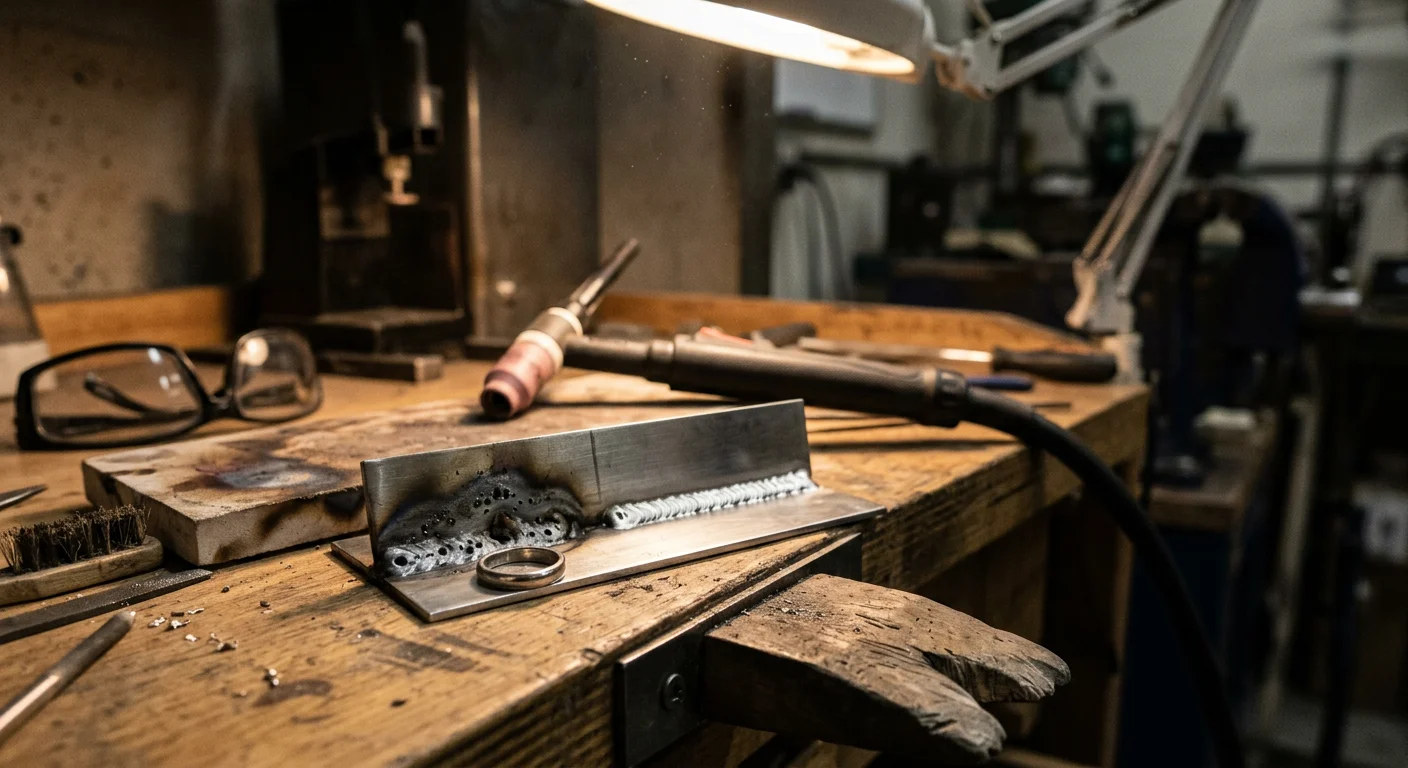
Skip the shielding gas on the wrong job, and the weld shows it. Not in a subtle way — in a “this needs to be redone” way.
Here’s what happens at the arc level. Without argon shielding, the molten pool sits open to the air. Oxygen and nitrogen make direct contact with the weld. The result is oxidation, contamination, and a chain of visible defects. No amount of post-weld cleanup can fix that.
What you’ll see on the finished weld:
-
Dark, gray, or blackened bead surfaces — oxidation changes the weld color fast, and it won’t clean off easy
-
Porosity — gas pockets trapped in the solidifying metal, visible as small pits or detectable under load
-
Increased spatter — without stable arc shielding, spatter spreads across the weld zone in a way you can’t miss
-
Inclusions and surface irregularities — unshielded welds pull in contaminants that show up as uneven bead geometry
What it costs you beyond appearance:
Tensile strength drops. Corrosion resistance drops too. Send that work to inspection, and unshielded welds fail more often. Some get flagged as unsafe before they leave the shop.
The rework time is where the real cost hides. Each bad bead means grinding, re-cleaning, re-welding, and polishing. That’s not a quick fix. On a small shop running tight margins and tighter schedules, one problem weld can push a job past its delivery window. The time adds up fast.
The environmental factor most people miss: drop the gas coverage, and your weld picks up on everything — ambient airflow, surface oxidation, minor contamination. A slight draft from an open shop door can wreck consistency on an otherwise clean setup. You don’t need a storm. A small breeze is enough.
Argon isn’t always available on every job site. Flux-cored wire is the practical fallback. The flux core builds its own shielding during the arc. It’s not the same as argon-shielded TIG or MIG, and the surface finish won’t match — but it takes care of the exposure problem on basic structural work.
For TIG, there’s no workaround at all. The process needs arc stability that inert gas shielding provides. No argon means contaminated welds, unstable arc behavior, and results that won’t hold up under any real check.
What Does Argon Welding Gas Improve?
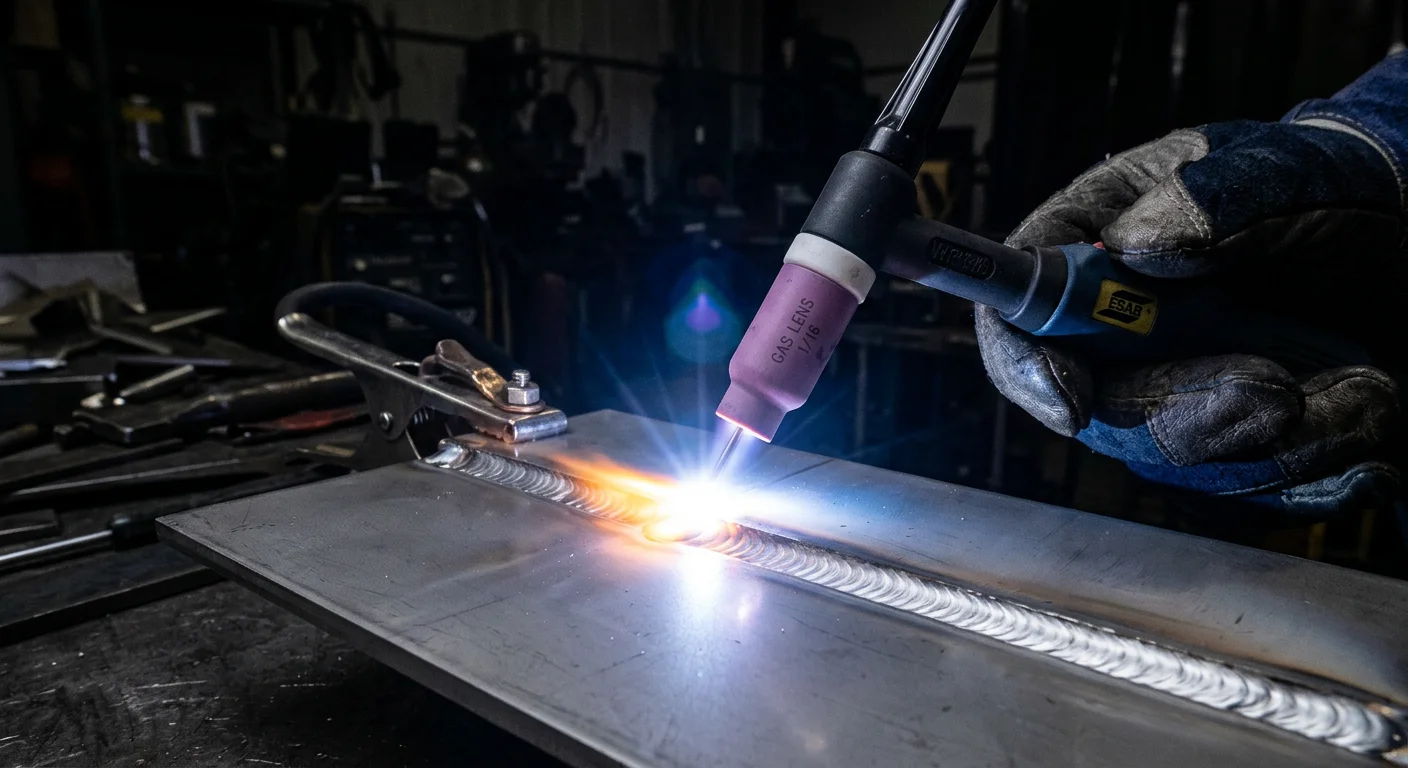
The main role of argon welding gas is to create a stable shielding layer around the weld area. This helps keep oxygen, nitrogen, and moisture away from the molten metal, reducing contamination during welding.
First, argon helps reduce oxidation and blackening. When metal is heated, it can react with air and form dark marks, discoloration, or oxide layers. With proper argon shielding, the weld area stays cleaner, which is especially important for gold, silver, platinum, stainless steel, and copper alloys.
Second, argon can reduce common weld defects. Without shielding gas, oxygen, nitrogen, or hydrogen may enter the weld pool and cause porosity, cracks, weak welds, or uneven results. Argon helps create a more stable weld, especially for jewelry repair, eyeglass frames, watch parts, and thin metal components.
Third, argon improves the appearance of the weld. A well-shielded weld usually has less discoloration, cleaner edges, and a smoother finish. This means less time spent on grinding, polishing, and post-weld cleaning.
Argon also helps improve welding stability. In TIG welding, micro welding, and precision welding, stable shielding makes the heat input easier to control. In laser welding, argon mainly protects the weld pool and reduces surface oxidation.
For small workshops, argon is a relatively small setup cost, but it can make a clear difference in weld quality, surface finish, and rework time. In short, argon welding gas helps create cleaner, more stable, and more professional welds.
Is Argon Gas Worth the Cost for a Small Workshop?
For small jewelry repair shops, precision welding studios, and metal repair workshops, argon gas is usually worth the cost. It is not a major expense, but it can greatly improve weld quality, reduce oxidation, and save time on polishing and rework.
Argon Cost Is Usually Low
A common 125–150 cu. ft. argon cylinder may cost around $90–$130 per refill. For a small workshop that welds only a few hours per week, one cylinder may last 1–3 months, which means the monthly cost is often only $30–$60.
For lighter use, a smaller cylinder may cost even less per month. Actual costs depend on cylinder size, local gas suppliers, rental fees, and refill options.
The Real Cost Is Rework
Without proper argon shielding, welds may become black, oxidized, rough, porous, or uneven. For jewelry, eyeglass frames, watch parts, precious metals, and precision components, this means more polishing, cleaning, and repair time.
If one project needs an extra 10–15 minutes of finishing because the weld is not clean, the labor cost can quickly exceed the cost of argon itself.
When Is Argon Most Worth It?
Argon is especially useful for jewelry laser welding, gold, silver, platinum, stainless steel, eyeglass frames, watch parts, and small precision metal parts. If your customers care about clean welds, surface finish, and professional results, argon is a smart investment.
When Can You Skip It?
If you only do rough welding where the weld appearance does not matter, argon may not be necessary. But for jewelry repair, precision welding, and visible metal parts, skipping argon often means more oxidation, more discoloration, and more finishing work.
Final Advice
For small workshops, argon gas is a low-cost quality upgrade. It helps create cleaner, more stable, and more professional welds while reducing rework and post-weld finishing time.
What Argon Gas Setup Should a Small Workshop Prepare?

For small workshops, an argon gas setup does not need to be complicated. If you do jewelry laser welding, micro welding, eyeglass repair, watch part repair, or precision metal work, you mainly need a safe, stable, and easy-to-refill argon system.
The 5 Core Components
A basic single-station setup usually includes:
Argon cylinder: A 60–125 cu. ft. cylinder is usually enough for small workshops. For jewelry and precision welding, choose 99.99% or higher purity argon. For cleaner results, 99.996% high-purity argon is a better option.
Regulator: It reduces cylinder pressure to a stable working pressure. Make sure the connector matches your cylinder, such as CGA-580 or the local standard.
Flow meter: This helps control gas flow. Too little gas gives poor shielding; too much gas wastes argon and may disturb the weld area.
Gas hose: Use an argon-compatible hose with the right length for your workstation. Avoid hoses that are too long, bent, or under tension.
Leak-check tool: Use soapy water or leak detection fluid after changing cylinders, hoses, or fittings.
Choosing the Right Cylinder Size
For occasional jewelry repair or training, a 60 cu. ft. cylinder is compact, easy to move, and suitable for small workbenches.
For regular weekly welding work, an 80 cu. ft. cylinder offers a good balance between runtime and portability.
For a fixed welding station with higher usage, a 125 cu. ft. cylinder is more practical because it needs fewer refills and offers better long-term cost efficiency.
The best choice is usually the cylinder size your local gas supplier can refill or exchange easily.
What Argon Purity Should You Use?
For general metal welding, 99.99% argon is usually enough. For jewelry laser welding, precious metal repair, micro welding, and visible precision parts, use 99.99% or higher.
Cleaner gas helps reduce black marks, oxidation, discoloration, and dirty weld spots.
How Should You Set the Gas Flow?
Do not adjust gas flow by guesswork. Start with a moderate flow and adjust based on the weld result.
If the weld still turns black, the problem may be low gas flow, gas leakage, dirty workpiece surface, or low argon purity. If gas runs out too quickly without improving the weld, the flow may be too high.
Quick Buying Checklist
Before buying, confirm:
-
Your welder has an argon gas port.
-
Local refill or cylinder exchange is available.
-
The cylinder size fits your workspace.
-
The regulator matches the cylinder connector.
-
The flow meter is easy to read.
-
The hose length fits your workstation.
-
Leak-check fluid or soapy water is ready.
-
The cylinder can be fixed safely with a stand or chain.
Final Advice
A small workshop does not need an expensive industrial gas system. What matters most is proper argon purity, stable gas flow, safe connections, easy refilling, and simple daily operation.
For jewelry welding and precision repair, a good argon setup helps produce cleaner welds, less oxidation, less polishing, and fewer rework problems.
How to Know Your Argon Gas Is Working
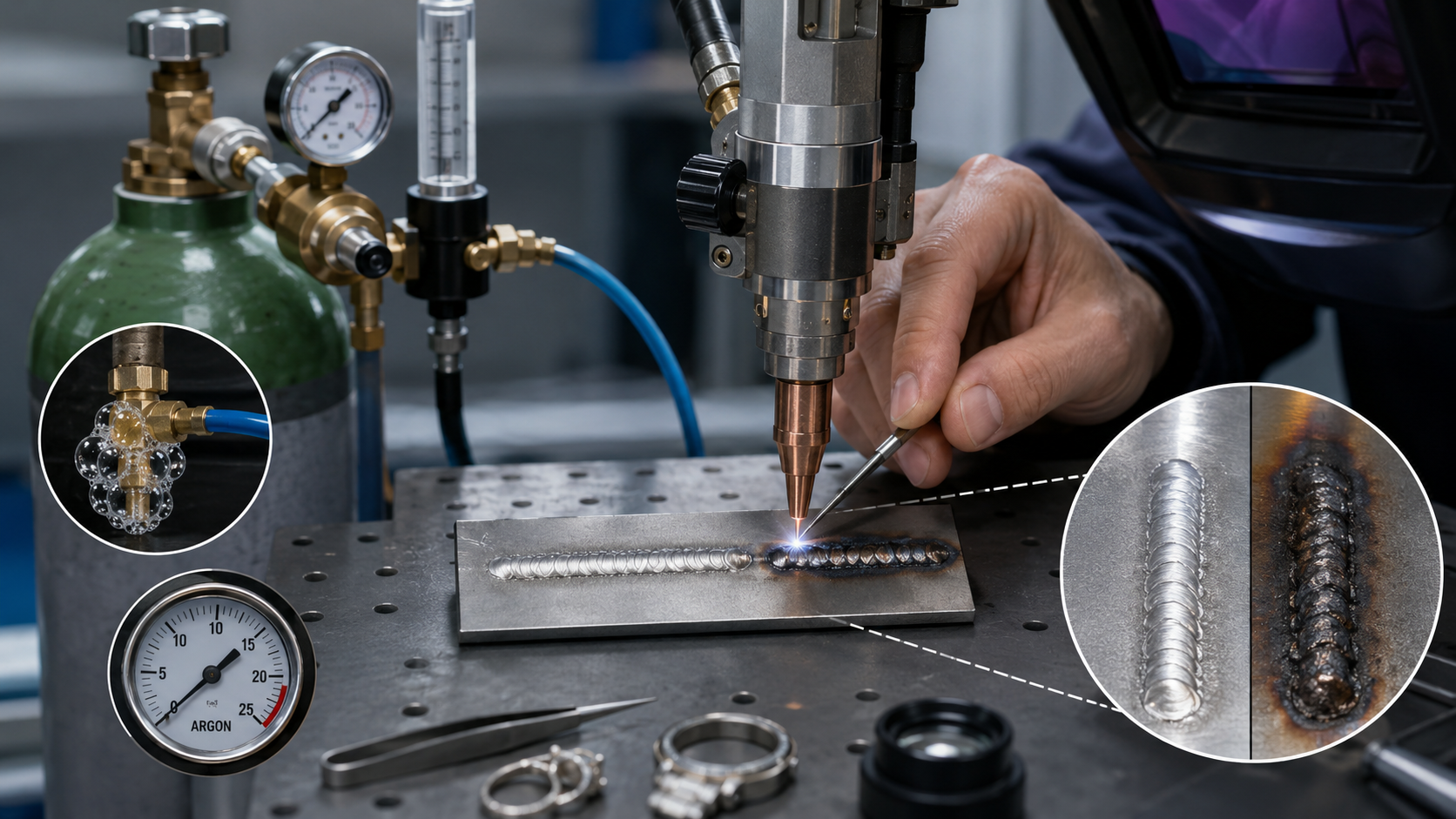
The easiest way to check your argon gas is not by looking at the gauge first — it is by looking at the weld result. A good argon shield should leave the weld area cleaner, brighter, and more stable, with less blackening or oxidation.
Check the Weld Color
If the argon gas is working properly, the weld should look clean, smooth, and evenly colored. For jewelry laser welding, eyeglass repair, watch parts, and small stainless steel parts, a good shield usually means less discoloration and less polishing work.
If the weld turns black, gray, rough, or dirty, the shielding may not be working well.
Do a Small Test First
Before welding a customer’s part, test on scrap metal. Clean the surface first, then make a short test weld. Check whether the weld is clean, whether the surrounding area turns black, and whether there are pits or rough spots.
If the test weld already looks bad, do not continue on the real workpiece. Check the gas setup first.
Check the Gas Flow
More gas is not always better. Too little gas gives poor protection, while too much gas can disturb the weld area and pull air into the shield.
Start with the machine’s recommended setting, then adjust based on the weld color and oxidation level. The goal is a stable, gentle gas flow, not maximum flow.
Check for Leaks
If the cylinder has pressure but the weld still turns black, check the gas line. Inspect the cylinder valve, regulator, flow meter, hose joints, and welder gas port.
Use soapy water or leak detection fluid on each connection. If bubbles appear, there is a leak.
Clean the Workpiece
Not every black weld is caused by bad argon. Oil, dust, oxide layers, polishing compound, or cleaning residue can also make the weld dirty.
Before blaming the gas, make sure the metal surface is clean and ready for welding.
Quick Troubleshooting
If the weld turns black, check low gas flow, gas leaks, dirty metal, or low argon purity.
If gas runs out too quickly but the weld does not improve, the flow may be too high.
If weld quality changes from good to bad, check for loose fittings, bent hoses, low cylinder pressure, or unstable working distance.
Simple Rule
Before changing cylinders, adjusting flow, switching materials, or welding an important part, always do a quick test weld. It only takes a minute, but it can prevent costly mistakes.
If your argon gas is working properly, you should see cleaner welds, less blackening, less oxidation, and more stable welding results.
Final Answer for Small Workshop Owners
Your work is the answer. Not the gas specs, not the cylinder size — the work.
custom jewelry, precision stainless, TIG work — argon isn’t a choice. It’s what separates a weld your client notices from one that blends right in. Shops doing high-end fabrication or decorative work run argon at 70–90% adoption rates. That number tells you something.
Basic mild steel repairs? Finish doesn’t move your price. Flux-core or CO₂ gets the job done. Skip the argon aisle with zero guilt.
For everyone else, one number cuts through the noise: $30–$60 per month for argon coverage. Compare that to $200–$300 per month in rework labor. The math does the work for you.
Start simple:
– Rent an 80–125 cf cylinder
– Add a flow meter
– Run a two-bead scrap test each time you swap bottles
The rest follows from the weld.
FAQ: Quick Answers for Small Workshop Owners
These three questions come up all the time in small-shop welding circles. Here are straight answers.
Can I weld steel with pure argon?
For TIG on carbon steel — yes, pure argon works fine. Run it at 6–10 L/min (12–20 CFH) and you’re good. For MIG on carbon steel — don’t. Pure argon gives you shallow penetration, a poor bead shape, and too much spatter. Most small shops use Ar + 18–25% CO₂ for everyday steel MIG work. The mix costs about the same. The welds come out far better.
How long does an argon cylinder last for TIG welding?
A standard 50 L / 200 bar cylinder holds 10,000 L of gas. At 8 L/min, that works out to 20 hours of continuous arc time on paper. In practice, pre-flow, post-flow, and minor waste eat into that. The real number lands closer to 12–16 hours. Weekend hobbyists who weld in short sessions can get one to three months out of a single cylinder. Smaller 10 L bottles give you around 4 hours at the same flow rate. Those work well for tight spaces or mobile repairs.
Can I share one argon cylinder between MIG and TIG?
Yes — add quick-connect fittings and two regulators, and one argon bottle switches between both processes. That said, MIG on carbon steel on a regular basis calls for a separate Ar/CO₂ mix cylinder. Pure argon on carbon steel MIG underperforms. It also costs more per solid weld than the mix does.
Conclusion
The answer was never about argon itself — it was about what you’re trying to build.
Your shop works with aluminum or stainless? Pure argon isn’t optional. It’s the difference between a weld that holds and one that fails you. Running MIG on carbon steel? An argon CO2 mix welding setup gives you cleaner beads. It won’t break your budget either. Still unsure about costs? A rented welding gas cylinder works great for a small shop. You get started without a long-term commitment.
Here’s the truth: the right shielding gas protects more than the weld pool. It protects your time. It protects your materials. It protects your reputation for quality work.
Don’t guess. Check your base metal. Match it to the right gas. Set up your shop with a clear plan.
Browse Maxwave‘s welding gas options and get what your workflow needs — nothing more, nothing less.