
Traditional welding processes always face a dilemma: simply raising travel speed will directly trigger various defects and push up rework costs, while conservative speed severely restricts production capacity. To achieve efficient production, manufacturers need to optimize every link of traditional welding first, and then adopt laser welding for further efficiency improvement.
The table below compares mainstream welding methods in terms of deposition rate, common defects, rework rate and post-processing workload, clearly showing the performance gap between traditional welding and laser welding in balancing speed and quality.
|
Welding Process |
Typical Deposition Rate |
Main Defects When Speeding Up |
Rework Rate |
Post-Processing Workload |
|---|---|---|---|---|
|
SMAW (Stick) |
1–3 lb/hr |
Porosity, lack of fusion, uneven beads |
10–18% |
Heavy grinding & reshaping |
|
GMAW Short-Circuit |
3–8 lb/hr |
Undercut, shallow penetration |
7–12% |
Moderate grinding |
|
FCAW |
8–15 lb/hr |
Ropy weld beads, spatter |
5–9% |
Light grinding |
|
SAW Multi-Wire |
60–100+ lb/hr |
Penetration inconsistency on complex joints |
4–7% |
Minimal finishing |
|
Laser Welding |
15–40 lb/hr (precision work) / 50–80 lb/hr (large-area work) |
Rare porosity, stable fusion |
Below 2% |
Almost no grin |
Optimize Traditional Welding to Boost Speed While Ensuring Quality
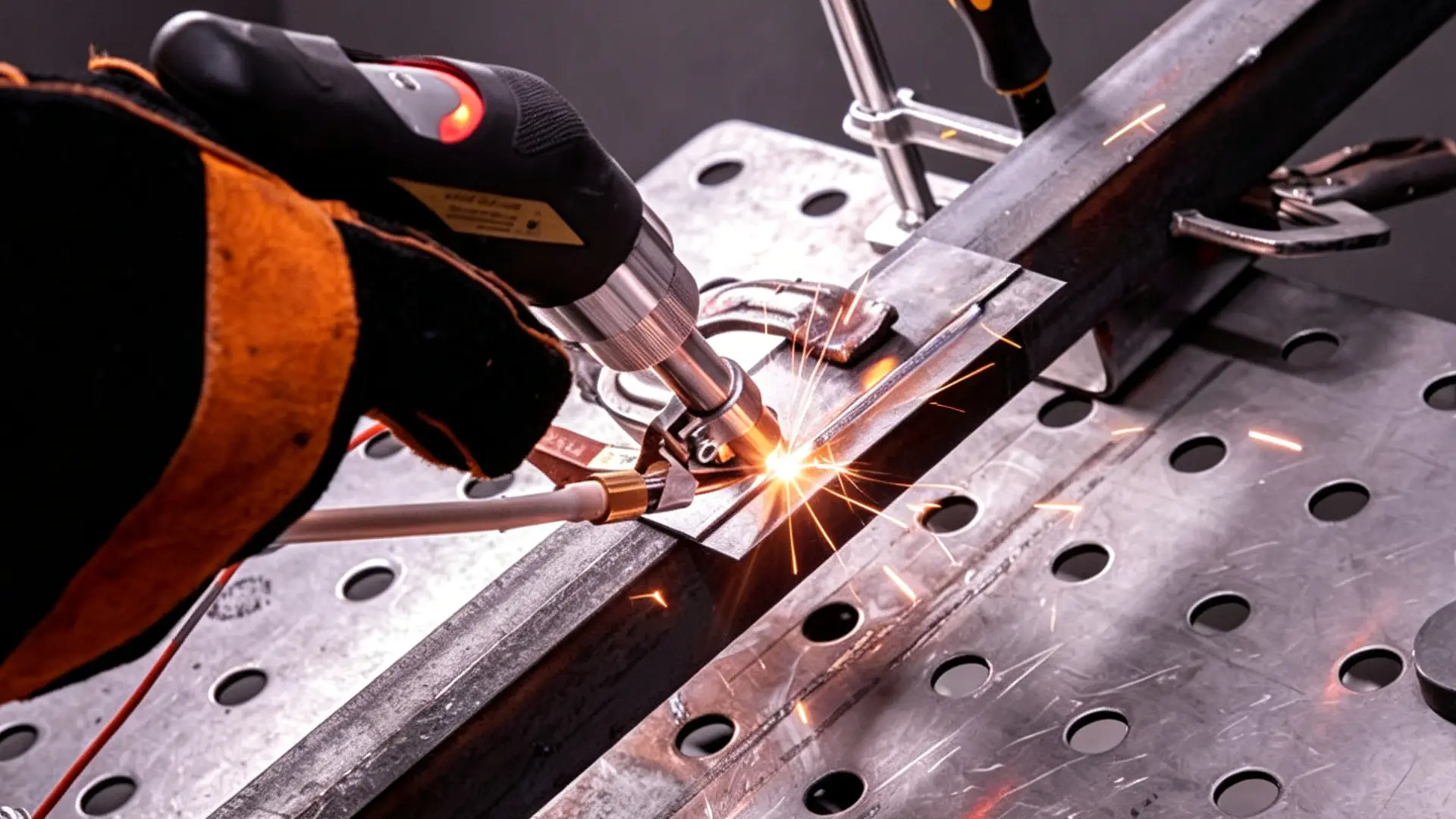
Optimize Joint Preparation
Poor joint preparation is the primary factor dragging down overall welding efficiency. Over 70% of welding defects trace back to unqualified cutting, bevel, cleaning and assembly. Standardize bevel angles, root faces and root gaps for plates to reduce weld metal volume and welding passes. Thoroughly remove oil, grease and oxide layers on joint surfaces to cut porosity rates sharply. Keep tack welds standardized and polished to avoid slag inclusion. Completing all checks before striking the arc can save plenty of time spent on later rework.
Select Appropriate Welding Processes
Match processes according to workpiece types to maximize deposition rate. For long flat welds on thick plates, SAW delivers outstanding efficiency. For conventional fillet welds and groove welds, FCAW or spray-transfer GMAW is a better choice. For field out-of-position work, FCAW-S replaces stick welding to double or triple efficiency. Process selection determines the upper limit of welding speed, and choosing the right method avoids fundamental efficiency losses.
Calibrate Welding Parameters Reasonably
Set baseline parameters based on material thickness and wire diameter, and adjust wire feed speed, voltage and stickout in a targeted manner. Stick to fixed stickout values to prevent current drop and insufficient fusion. Judge parameter rationality through test weld beads: adjust wire feed speed and voltage step by step for narrow ropy beads or undercut, and modify parameters one at a time to lock in stable settings that suit high-speed travel.
Standardize Welding Operation Techniques
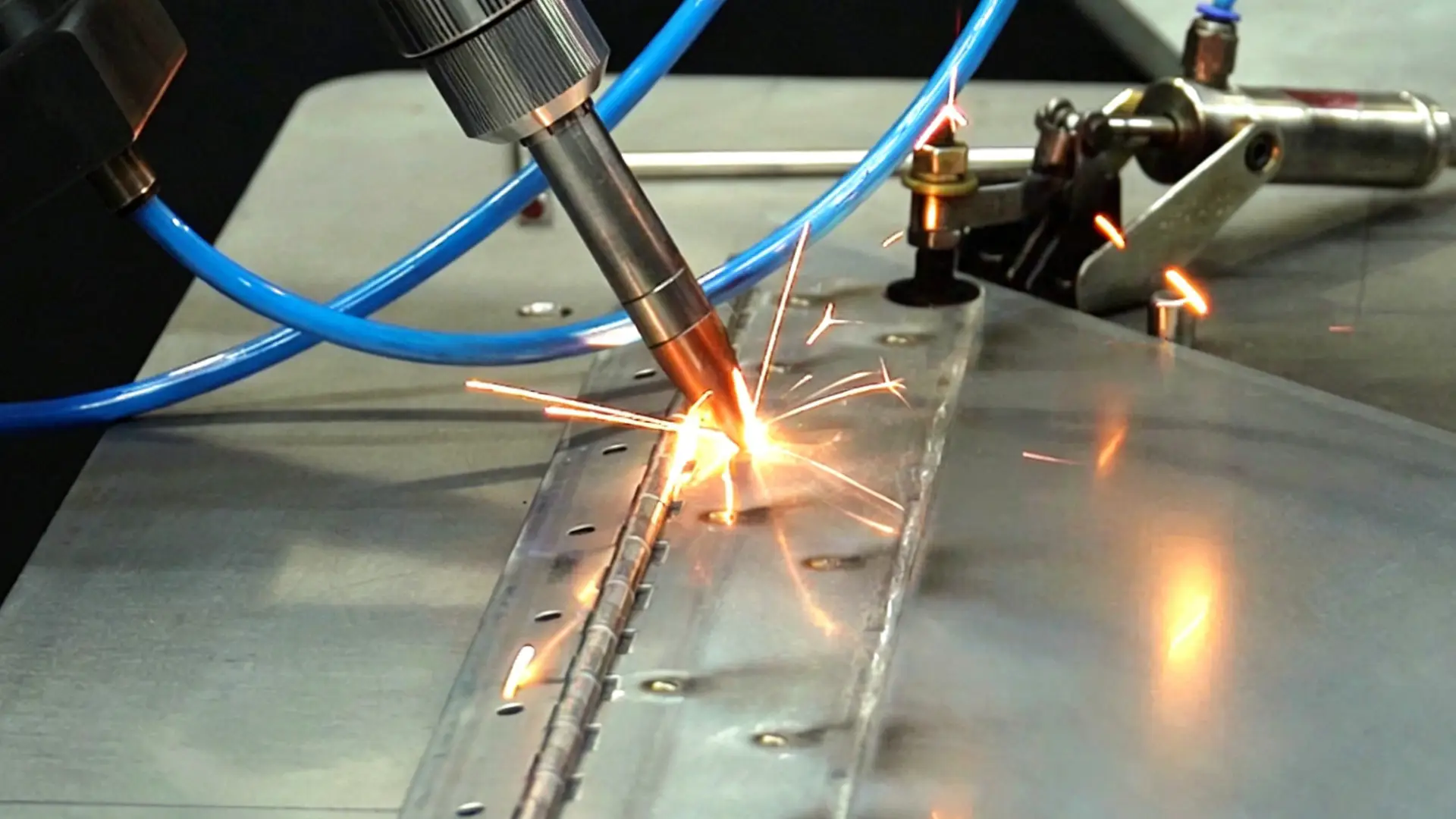
Regulate amperage and arc length for different welding positions, keep the arc in the front third of the molten pool to stabilize travel speed, and adjust electrode angles according to welding directions. Master standardized striking and finishing methods to reduce porosity and poor jointing. Conduct targeted daily training to form stable muscle memory, which supports long-term high-speed and high-quality welding.
Rebuild Workflow to Increase Arc-On Time
Most workshops have low actual arc-on time due to scattered tools, mixed working procedures and frequent material handling. Rearrange workstations to place tools and consumables within easy reach, set up independent pre-weld processing areas, and separate post-weld grinding work. Use standardized consumable supply modes and reasonably allocate staff to cut non-value-added time. Optimized workflows can double effective welding time for each welder without raising labor intensity.
Strengthen Routine Equipment Maintenance
Over 80% of equipment failures are preventable. Conduct daily inspections on lines, contact tips and hoses, and implement regular lubrication and maintenance. Timely troubleshooting avoids sudden downtime in the middle of welding. Stable equipment operation ensures that optimized speed and parameters can work continuously.
Rapid Troubleshooting for Common Defects
When speeding up welding, targeted solutions are required for frequent defects. Check shielding gas first for porosity, adjust travel speed and voltage for undercut, reset stickout and increase amperage for lack of fusion, and raise wire feed speed for convex ropy beads. Follow the rule of adjusting one variable at a time to quickly locate problems and resume efficient production.
Realize Speed & Quality Double Breakthrough with Laser Welding
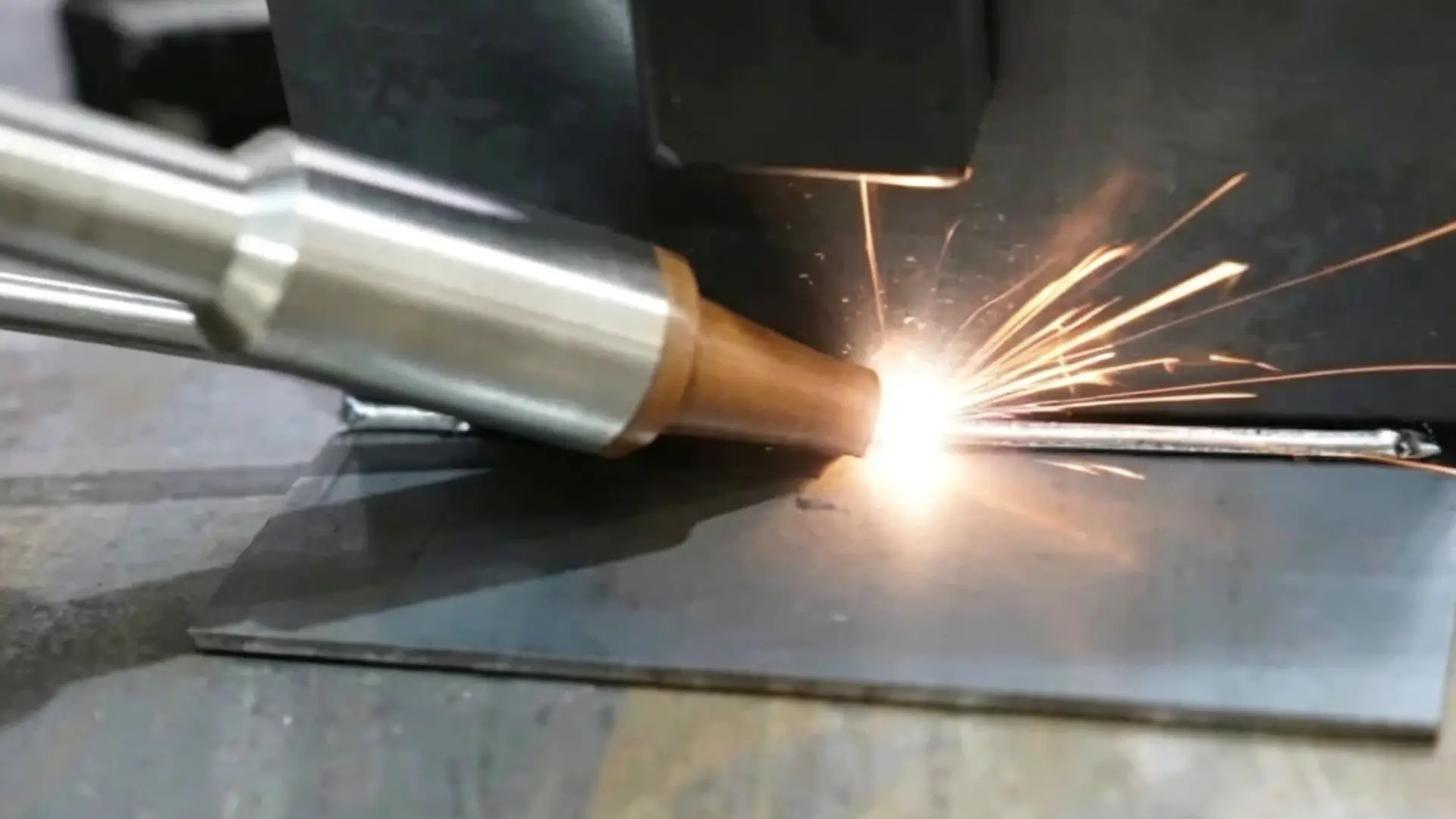
After optimizing traditional welding, if you still need to further raise production efficiency and control defect rates, upgrading to laser welding is the ideal solution. Different from traditional welding, laser welding features high energy density and ultra-low heat input, so increasing travel speed will not cause insufficient fusion or large-area deformation. Its concentrated energy ensures stable penetration and smooth weld beads even at high speed, with a tiny heat-affected zone that greatly lowers post-processing workload.
Laser welding adapts to micro precision repair and large-area surfacing scenarios simultaneously. With precisely adjustable spots and stable parameters, it maintains consistent welding quality during long-term high-speed operation. It gets rid of many restrictions of manual operation and complex parameter matching, and can be combined with automated systems to realize uninterrupted production. It effectively solves the long-standing pain point that traditional welding cannot balance speed and quality, helping enterprises increase output while controlling rework costs.
Conclusion
Improving welding speed does not mean blindly pursuing faster travel speed. Optimizing joint preparation, process selection, parameters, techniques, workflow and equipment maintenance can effectively lift the speed limit of traditional welding and keep defects under control. For enterprises pursuing higher efficiency and stricter quality standards, introducing laser welding can break through the bottleneck of traditional processes and achieve a qualitative leap in overall production capacity.
If you are looking for reliable laser welding equipment to balance welding speed and quality, Maxwave is your trustworthy partner. Our laser welders adopt high-stability laser sources, with precise parameter control and flexible spot adjustment functions. They run stably at high travel speed while ensuring excellent weld formation and ultra-low defect rate. Suitable for various metal welding scenarios, our products come with complete after-sales service and technical support, helping your workshop continuously improve welding efficiency and comprehensive benefits.