
That stubborn brown spot on your kitchen sink. The dull, blotchy surface on your grill grates. The rust-streaked fittings on your boat that weren’t there last season. Stainless steel is supposed to be stainless, yet here you are, staring down discoloration that no ordinary scrubbing seems to fix.
The good news? Surface oxidation on stainless steel is almost always reversible. You probably own at least one fix for it right now. This guide covers the most effective methods—from simple kitchen remedies to industrial-grade treatments—so you can match the right fix to your exact problem, restore the finish, and stop oxidation from coming back.
Quick Comparison: Which Method Fits Your Situation?
|
Method |
Best For |
Effort |
Speed |
Notes |
|---|---|---|---|---|
|
Baking soda paste |
Light surface oxidation, appliances |
Low |
5–15 mins |
Gentle, widely available |
|
White vinegar |
Tools, submergible hardware, light rust |
Low |
12–48 hrs (soak) |
Acid reaction; neutralize after |
|
Lemon + salt / Potato + soap |
Light rust, small items, quick fix |
Low |
20–60 mins |
Kitchen staples; limited depth |
|
Citric acid soak |
Moderate rust on small items |
Low |
20 mins – overnight |
Low odor; cost-effective |
|
Bar Keepers Friend (oxalic acid) |
Stubborn rust stains, heavier discoloration |
Low–Medium |
1–30 mins |
Proven track record; test coated surfaces |
|
Laser cleaning (industrial) |
Production parts, large surfaces, pre-weld prep |
Low (operation) |
Instant–fast |
No chemicals, no abrasives, repeatable, scalable |
Identify Your Oxidation Level First
Grab a light and look closely. Stainless steel oxidation usually falls into three levels:
-
Mild: Rainbow/discoloration (heat tint), dull finish, no pitting. Often fixed with gentle cleaning.
-
Moderate: Small reddish-brown rust spots, shallow pits, limited coverage. Needs targeted rust removal.
-
Severe: Deeper pits, flaking, cracking, widespread corrosion. May require professional reprocessing or re-passivation.
If you’re unsure, start with the mild/moderate methods below. For severe cases, test a small area or consult a professional.
Method 1: Baking Soda Paste (Light Oxidation & Heat Tint)
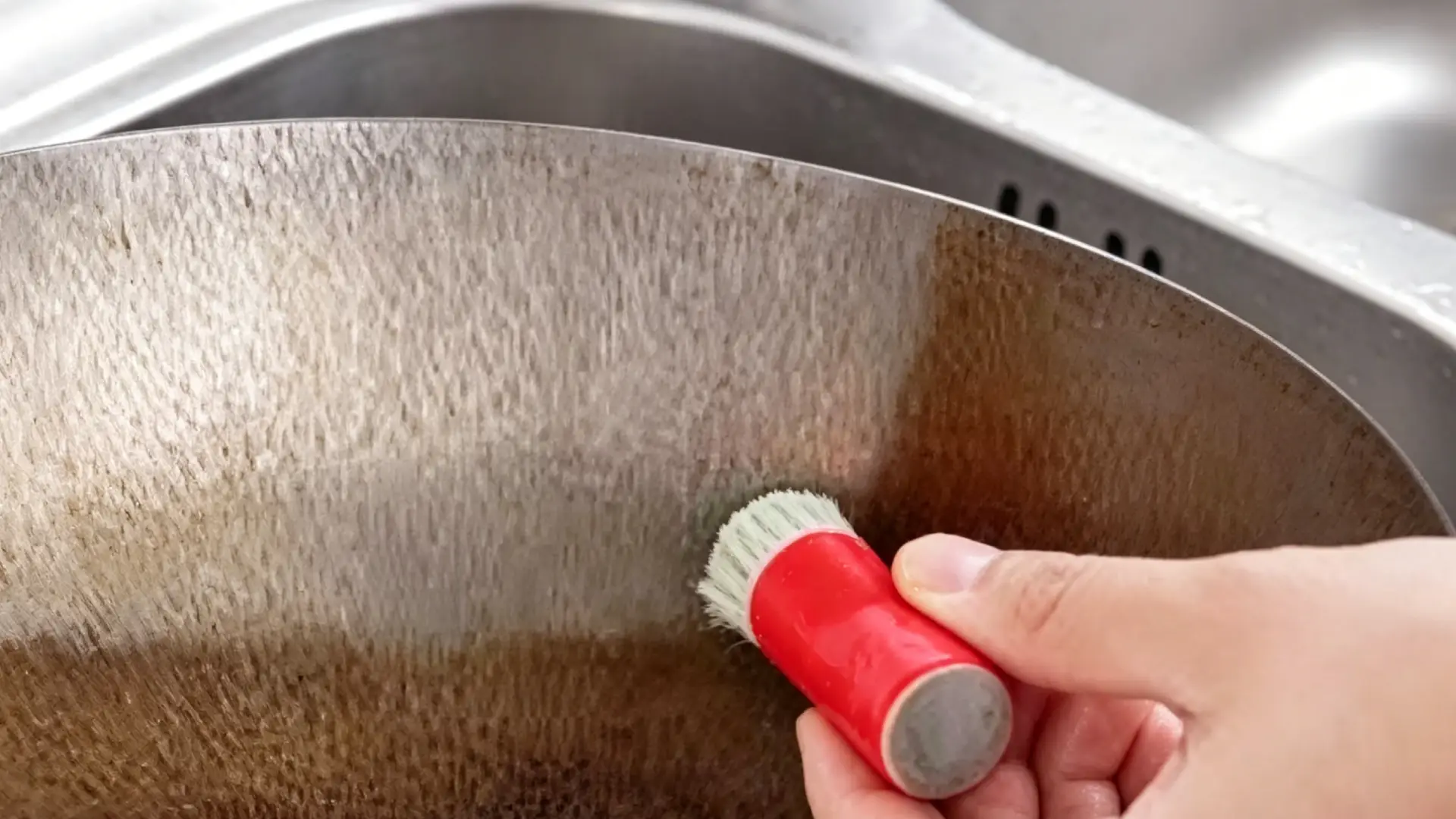
Baking soda is low-abrasive and lifts surface oxidation without cutting into the metal. Mix 1–2 tablespoons with a little water to a toothpaste-like paste.
-
Apply with a soft cloth or non-abrasive sponge, always rubbing with the grain.
-
For heat discoloration, let it sit 10–15 minutes, then scrub lightly.
-
Rinse well, dry immediately, and buff with a few drops of mineral oil or stainless polish.
Limits: Best for light oxidation, water spots, and grease. Not for deep rust or pitted surfaces.
Method 2: White Vinegar Soak (Tools & Hardware)
For items that can be submerged, white vinegar (5% acetic acid) works well on light rust. Submerge the part; adding ~1/4 cup salt per liter speeds the reaction. Soak 12–48 hours depending on severity, then scrub loosened rust with a brush or fine steel wool.
-
Neutralize afterward: briefly dip in water with ~2 tbsp baking soda per cup, rinse, and dry thoroughly.
-
Don’t over-soak, and avoid on coated surfaces or large cookware.
Method 3: Lemon + Salt / Potato + Dish Soap (Quick DIY)
Both use common kitchen items for light surface rust:
-
Lemon + salt: Sprinkle salt, scrub with halved lemon, let sit 45–60 minutes for light rust, then rinse/dry.
-
Potato + dish soap: Rub cut potato on rust, add soap, wait 5–15 minutes, scrub, rinse.
These handle light rust only (under ~0.5mm). For deeper oxidation, step up to citric acid or Bar Keepers Friend.
Method 4: Citric Acid Soak (Moderate Rust on Small Items)
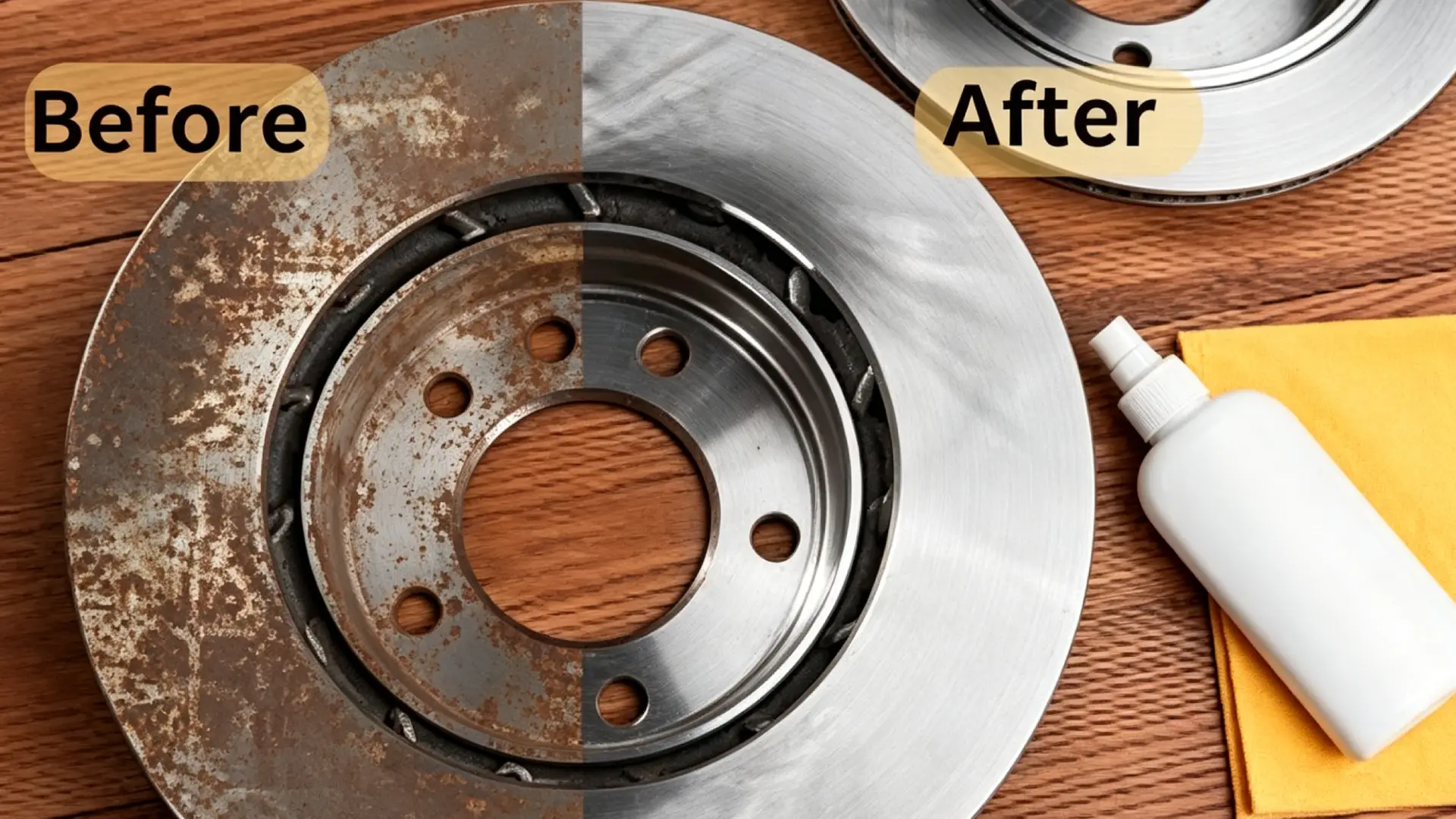
Citric acid is cost-effective and low-odor. Mix roughly 20–40g per liter of warm water. Submerge items, stir, and watch for bubbling (active reaction). Soak time varies:
-
Light rust: ~20–30 minutes
-
Moderate: 1–4 hours
-
Heavy: overnight+
Rinse, dry fast, and apply a light protective oil (camellia oil, WD-40, etc.) to prevent flash rust.
Method 5: Bar Keepers Friend / Oxalic Acid (Stubborn Rust Stains)
Oxalic acid chelates iron oxide so it can be rinsed away. For most stainless surfaces, start with the liquid/foam version to reduce scratch risk; use the powder form for heavier buildup (it contains a mild abrasive).
-
Apply, wait 1–5 minutes (longer for tough spots), wipe with the grain, rinse, and dry.
-
Patch-test hidden areas first on fingerprint-resistant or coated appliances.
Industrial Reality: When Manual Methods Hit the Wall
Manual methods work well for a sink, a grill, or a handful of tools. But once you move into production environments, the math changes fast:
-
Time: Scrubbing, soaking, neutralizing, and drying dozens or hundreds of parts is painfully slow.
-
Consistency: Manual effort varies from part to part and operator to operator.
-
Chemical management: Acids and powders require handling, disposal, PPE, and compliance.
-
Surface integrity: Abrasives leave micro-scratches that invite future corrosion.
This is where laser cleaning changes the equation.
Laser Cleaning: Precision Oxidation Removal at Scale
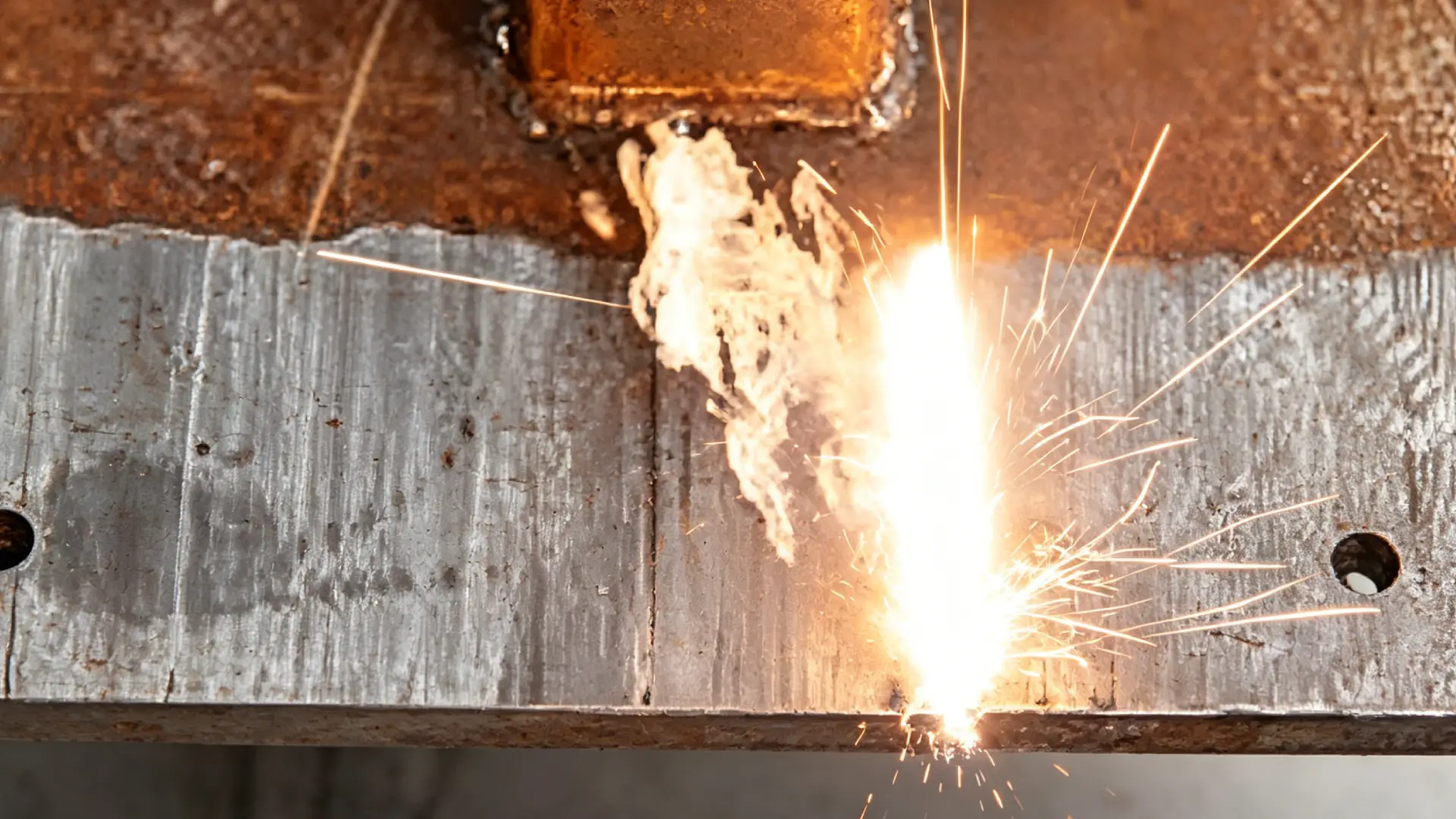
Laser cleaning uses focused, high-energy pulses to remove rust, oxides, and contaminants through sublimation and plasma shock—without touching the surface, without chemicals, and without media.
Why It’s Different
-
Non-contact: No abrasives, no micro-scratches, no embedded particles.
-
Selective: Parameters adjust to remove only the oxide layer while preserving the base metal.
-
Repeatable: Digital settings ensure identical results across batches.
-
Clean process: Minimal residue, no secondary waste streams, low maintenance.
-
Fast: Covers large areas quickly; ideal for production lines and pre-weld prep.
Typical Industrial Use Cases
-
Pre-weld stainless steel cleaning: Remove heat tint, oxides, and contaminants right before welding to reduce porosity and improve weld quality.
-
Post-weld cleanup: Strip discoloration and scaling from weld seams without grinding or chemicals.
-
Production part prep: Clean housings, fittings, flanges, and assemblies prior to coating, painting, or bonding.
-
Maintenance & restoration: Remove rust from marine hardware, molds, and equipment without disassembly.
How It Compares to Manual Methods
|
Factor |
Manual Methods |
Laser Cleaning |
|---|---|---|
|
Throughput |
Low; labor-intensive |
High; automated or semi-automated |
|
Consistency |
Operator-dependent |
Programmable, repeatable |
|
Surface impact |
Risk of scratches/contamination |
Non-contact, selective |
|
Chemical use |
Required (acids, solvents) |
None |
|
Scalability |
Poor |
Excellent for batch & inline use |
After Removal: Restore Shine & Slow Re-Oxidation
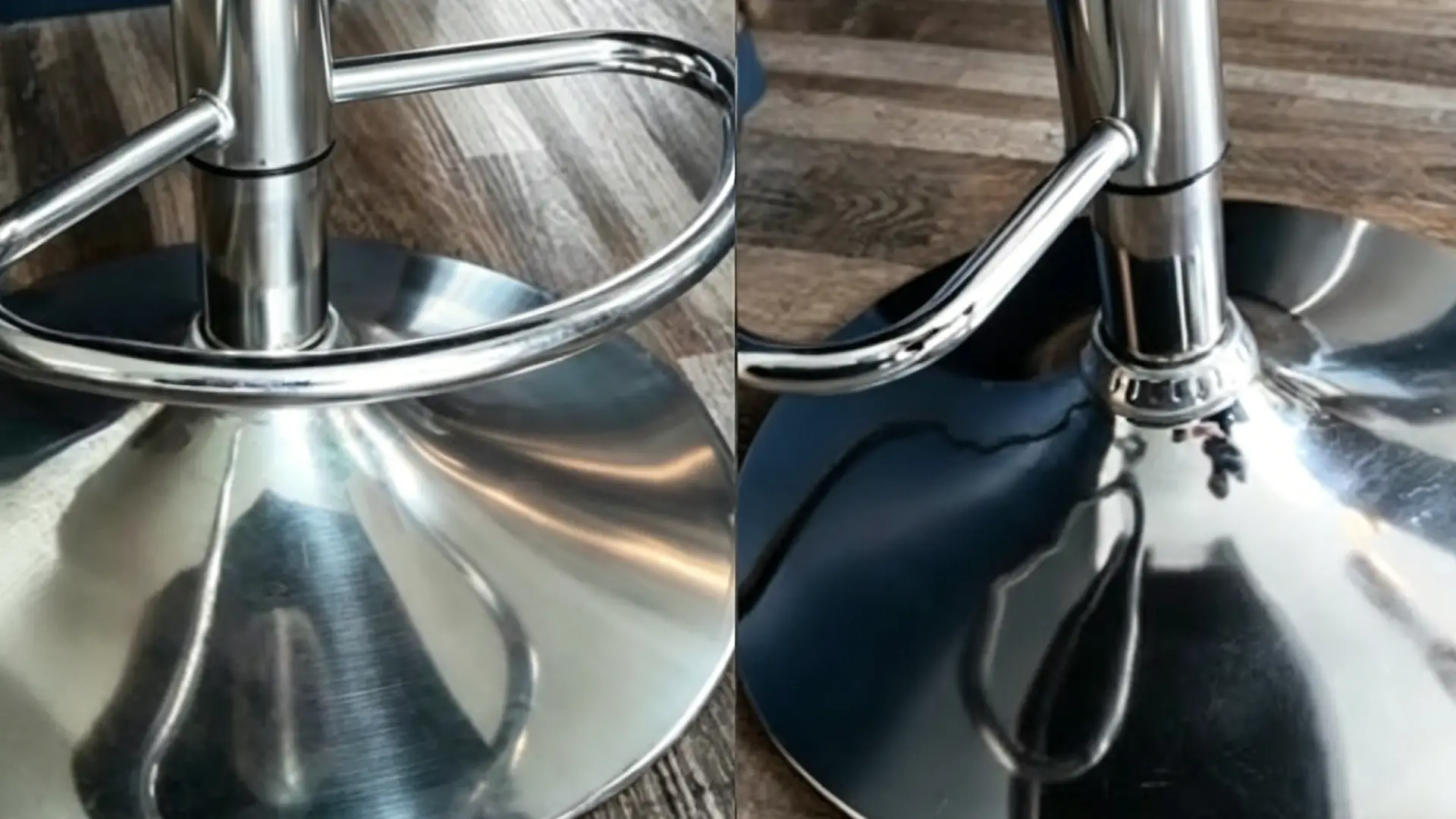
Once oxidation is removed—by whatever method—basic care matters:
-
Wipe with warm soapy water, rinse, and dry thoroughly.
-
Optional light vinegar wipe (2–3 minutes), rinse again.
-
Apply stainless polish with a microfiber cloth, buffing with the grain.
-
Final dry buff; check for streaks.
For ongoing protection:
-
Dry surfaces after rinsing; avoid standing water.
-
Keep chlorine/bleach away from stainless.
-
Avoid steel wool and carbon steel brushes.
-
In marine/outdoor environments, rinse salt promptly and consider periodic protective films or polishes.
Conclusion
Traditional stainless steel oxidation removal methods (baking soda paste, white vinegar soak, etc.) are only suitable for small-scale, light to moderate oxidation scenarios. They are low-cost and easy to operate, but they are inefficient, easy to damage the surface, and difficult to avoid secondary rusting. Laser cleaning, with its advantages of non-contact, no damage, high efficiency, wide applicability, and long-term anti-oxidation, has become the optimal solution for stainless steel oxidation removal, especially for industrial-grade and high-precision needs.
If you’re preparing stainless steel surfaces at scale—whether for welding, coating, assembly, or restoration—and want a faster, chemical-free way to remove oxidation while protecting surface integrity, MaxWave provides industrial-grade laser cleaning solutions designed for repeatable, high-throughput results.