
High-reflective metals including copper, aluminum, gold, and silver are widely used in new energy, jewelry manufacturing, automotive hardware, and electronic precision parts processing. However, laser welding for reflective metals has always been a major pain point for most processing factories. Many operators encounter frequent welding failure, severe spatter, uncontrollable porosity, unstable weld penetration, and unexpected laser machine shutdowns even after repeatedly adjusting power, focus, and welding speed. Most of these problems are not caused by improper operation or parameter errors, but by the inherent physical reflection characteristics of reflective metals and wavelength mismatch of ordinary fiber laser welders.
Why Reflective Metals Reject Your Laser Beam
The core reason for failed reflective metal welding lies in ultra-high laser reflectivity. Different metals show huge differences in energy absorption and anti-reflection performance under the common 1064nm fiber laser wavelength, bringing distinct processing risks. The following table intuitively shows the reflectivity and core welding hazards of mainstream reflective metals:
|
Metal Material |
Reflectivity at 1064nm |
Core Welding & Equipment Risks |
|---|---|---|
|
Gold |
98% |
Extremely low energy coupling, serious equipment back reflection damage |
|
Copper |
>95% |
Optical component damage, severe weld porosity and incomplete fusion |
|
Silver |
≈95% |
Laser beam scattering, thermal runaway, unstable welding process |
|
Aluminum |
>90% |
Unstable keyhole, weld distortion, easy burn-through of thin sheets |
|
Polished Stainless Steel |
Moderate |
Controllable defects with standardized operation, low failure rate |
Limitations of Traditional Welding Methods for Reflective Metals
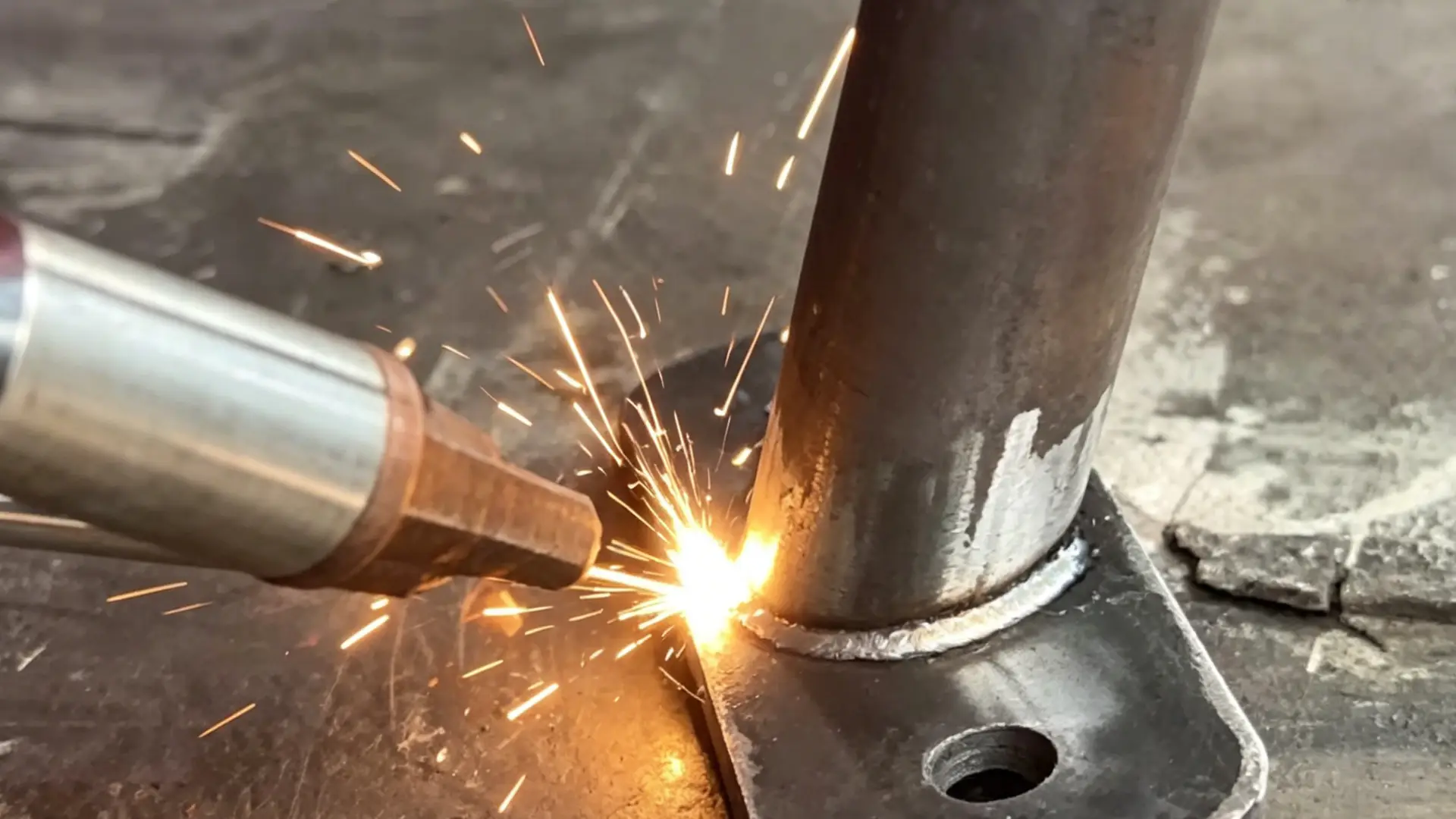
Before the popularization of laser welding, factories relied on traditional thermal welding processes to process reflective metals, but these methods have obvious inherent defects and cannot meet modern high-precision and high-efficiency production standards, which is why laser welding has gradually become the mainstream choice—yet it still faces bottlenecks.
Traditional argon arc welding features low welding efficiency and excessive heat input, which is very likely to cause deformation and oxidation of thin copper and aluminum parts, with poor weld consistency. Resistance welding has extremely single applicable scenarios, unable to adapt to multi-specification and complex structural parts, and the welding yield fluctuates greatly. Plasma welding requires high equipment costs and complicated debugging processes, relying heavily on operator experience, making it unsuitable for mass industrial production. In short, all traditional processes cannot balance precision, efficiency and stability in reflective metal welding, forcing most manufacturers to switch to laser processing equipment.
Core Reasons Why Ordinary Laser Welders Fail on Reflective Metals
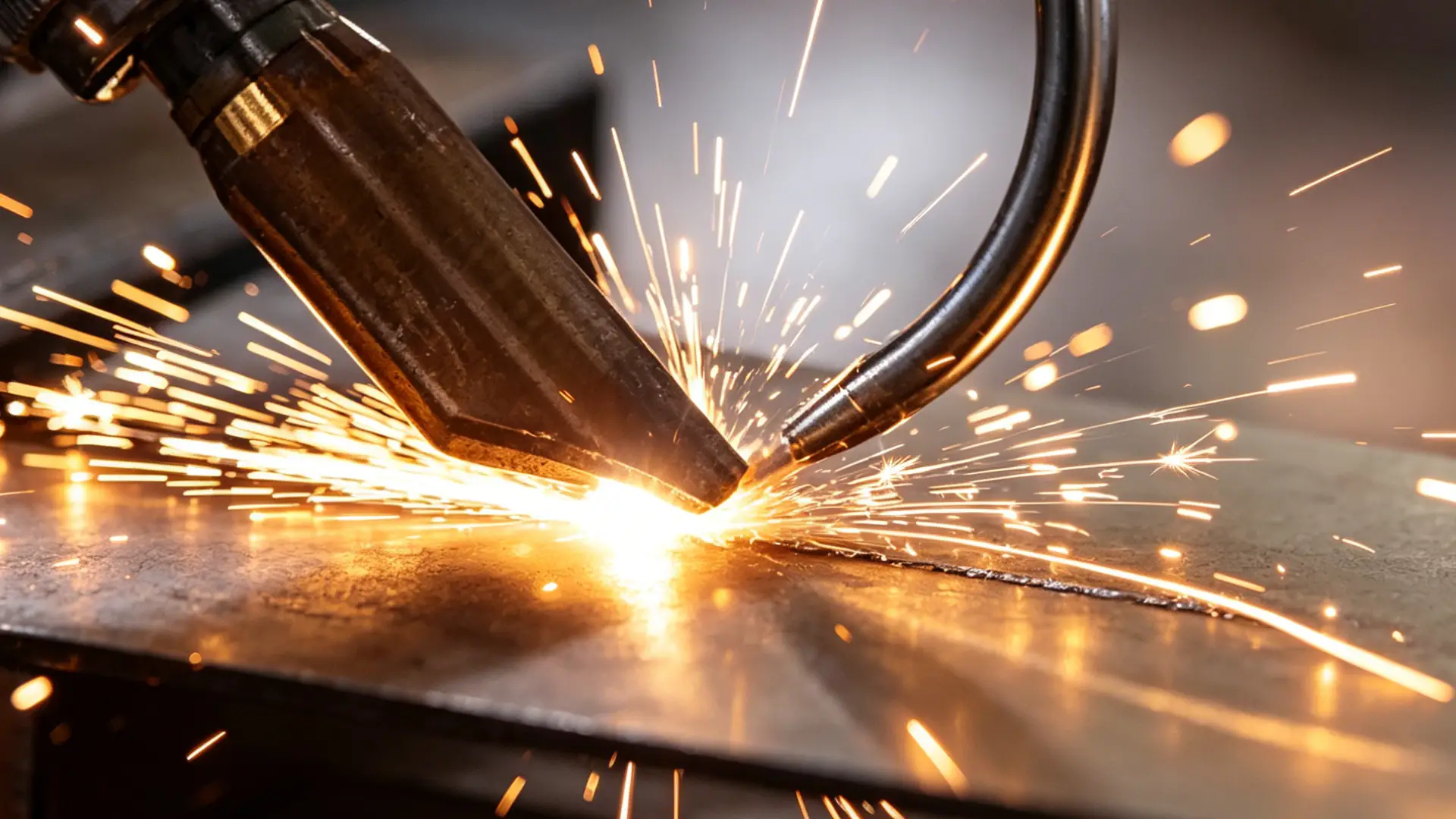
Many manufacturers purchase standard fiber laser welders expecting to improve welding quality, but end up with more frequent failures. Unlike common stainless steel welding problems, reflective metal laser welding failures stem from physical characteristics rather than parameter settings, mainly including two core factors.
First, serious laser back reflection and low energy absorption. The 1064nm infrared laser adopted by ordinary fiber welders has low photon energy, which cannot match the electronic transition threshold of reflective metals. At room temperature, copper only absorbs 3%-5% of laser energy, and aluminum absorbs less than 10%. Most of the laser beam is directly reflected back along the original optical path, impacting the laser source, focusing lens and internal optical components. Long-term back reflection will cause component aging, burnout and frequent equipment self-shutdown, seriously affecting production progress.
Second, unstable keyhole and material structural defects. Copper has ultra-high thermal conductivity, which will quickly dissipate the limited absorbed heat, making it impossible to form and maintain a stable welding keyhole, resulting in fluctuating melt pools and a large number of internal porosity defects. The surface of aluminum is covered with a dense oxide layer with a melting point far higher than the aluminum substrate. The oxide layer cannot be completely removed during rapid welding, blocking energy transmission and causing unpredictable shrinkage, spatter and weld cracks.
It is worth noting that simply increasing laser power cannot solve the problem. Excess power will further intensify back reflection, cause keyhole collapse and melt pool disorder, and accelerate equipment damage, forming a vicious cycle of welding failure.
Effective Optimization Solutions for Reflective Metal Laser Welding
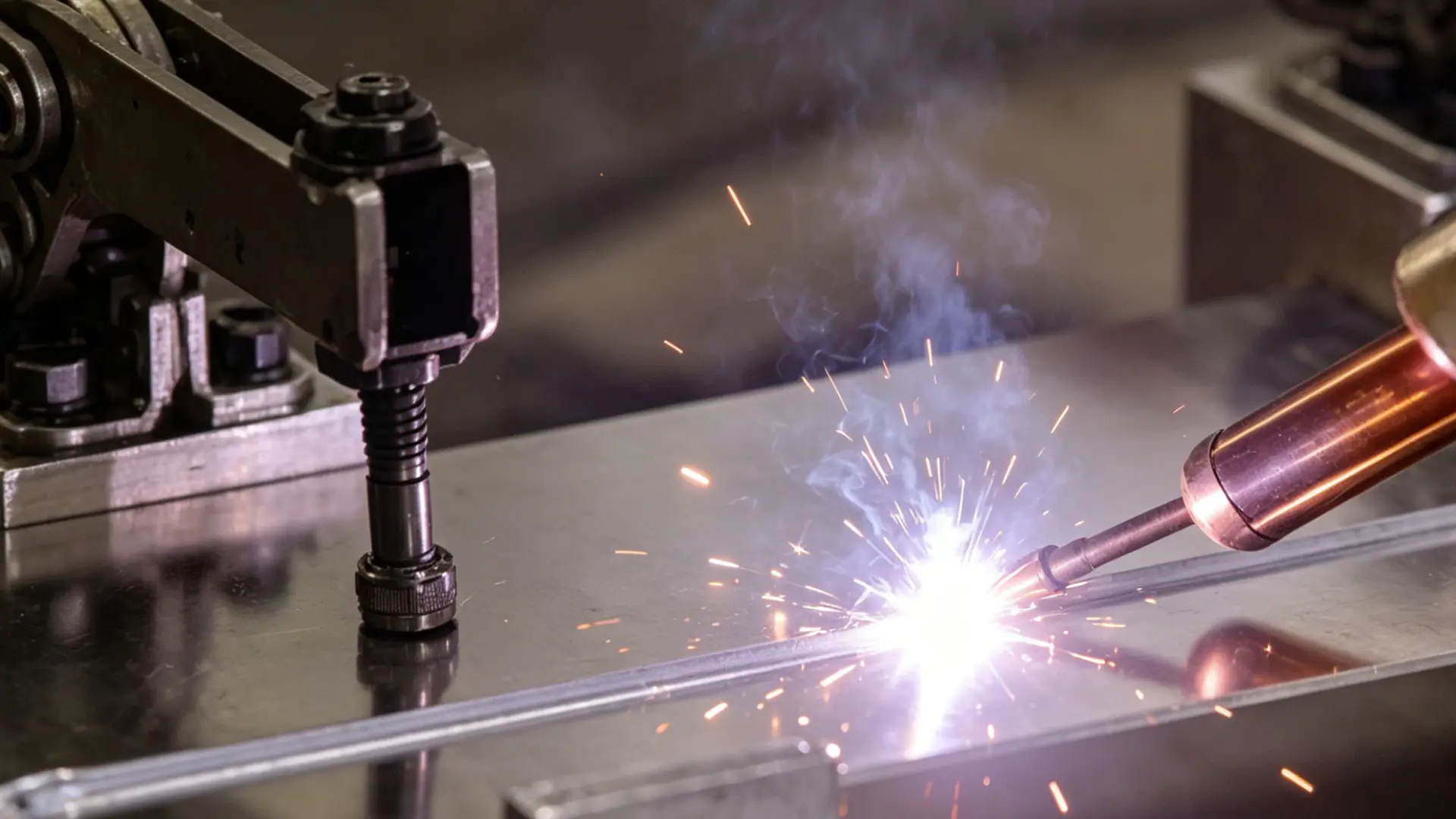
The core advantage of laser welding isn’t “higher energy”—it’s “more controllable energy.” It abandons the brute-force approach of fighting reflective metal physics and instead uses precision control to bypass the traps.
1. Targeted Wavelength Selection
This is the most fundamental shift. While green or blue lasers cost more, their absorption on copper and gold is 6-13 times higher than traditional infrared fiber. That means 1kW of green can achieve what 5kW of infrared fiber cannot—stable welding with virtually no reflection damage risk.
2. Dynamic Beam Control
Modern laser technology no longer outputs a static spot. Instead, it oscillates the spot at high speed (circular, figure-eight patterns). This oscillation, on one hand, reduces peak energy density to prevent instant explosive boiling and spatter. On the other hand, it stirs the melt pool like a spoon—smoothing out instabilities and preventing premature keyhole collapse.
3. Real-Time Closed-Loop Protection
Professional laser systems are equipped with back-reflection protection. High-precision sensors monitor reflected energy returning to the optics in real time. When it exceeds a safe threshold (typically set at the 20W/m² level), the system instantly engages optical isolation or automatically adjusts output—protecting delicate internal components from slow, cumulative damage.
Conclusion
Reflective metals like copper, aluminum, gold, and silver reject most 1064nm fiber laser energy through surface and molten-pool reflection. That back-reflected energy risks optics damage, unstable keyholes, porosity, and frequent shutdowns. Surface prep, slower travel, oscillation, tight fit-up, and pulse/discipline help—but only up to a point. For many jobs, the real bottleneck is wavelength mismatch rather than operator error.
Maxwave industrial laser welding equipment maintains stable welding effects for high-reflective metal materials, with low defective rate and long-term stable equipment operation. We support customized automated welding solutions for different material thicknesses and processing scenarios, helping global processing enterprises efficiently solve reflective metal welding difficulties and improve production efficiency and product yield.
Want your welding process to stop being constrained by material properties? MaxWave specializes in laser welding solutions optimized for reflective metals. Let the equipment fit the material—not the other way around.