
In industries like manufacturing, petrochemicals, and aerospace, surface cleaning is an unavoidable part of maintenance, production, and quality control. Faced with the high costs, environmental pollution, and operational risks associated with traditional sandblasting and chemical cleaning, more and more companies are turning their attention to laser cleaning technology. However, for decision-makers looking at investments often reaching hundreds of thousands, the core questions remain: Is it truly suitable for us? What is the actual Return on Investment (ROI)?
This article serves as an objective “buyer’s guide,” breaking down the application scenarios, cost comparisons, and decision-making framework for industrial laser cleaning machines (using mainstream pulsed fiber machines as an example), to help you make an informed investment decision.
What Is the IR-3040 and How Does It Work?
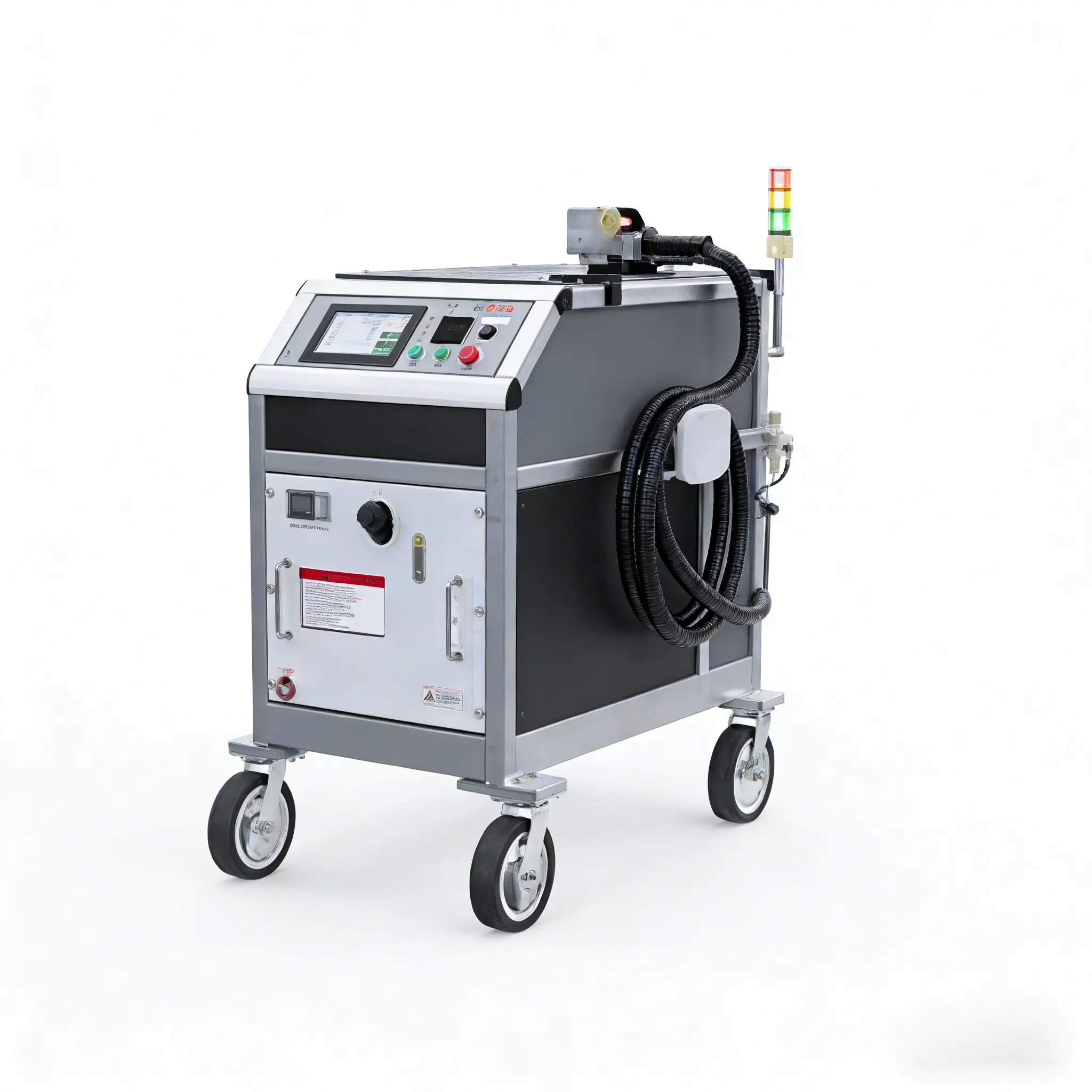
The IR-3040 is a dual-axis fiber laser cleaning system. It uses an infrared wavelength, operates without contact, and requires no chemicals or abrasives. Instead of grinding away contamination, it burns it off with precision-tuned photonic energy.
Key specifications:
-
Power range: 50–3,000W
-
Fiber cable: 16 feet (4.8m) for field and floor work
-
Deployment: Handheld, portable, semi-automatic, or fully autonomous
-
Compliance: FDA certified, OSHA compliant, EPA compliant
Simply put, it removes rust, coatings, oxides, and grease from metal surfaces without damaging the base material.
Who Is the IR-3040 For? Ideal Buyer Profile
Not every factory is immediately suited for laser cleaning. Before allocating budget, first check against this “ideal buyer profile”:
-
High Annual Processing Volume: Over 500 cleaning jobs per year, or where consumable and disposal costs for sandblasting/chemical cleaning have become a significant financial burden.
-
High Requirements for Precision and Substrate Protection: Such as mold repair, aerospace components, precision machinery, cultural relic restoration—fields that cannot tolerate surface damage.
-
Facing Stringent Environmental and Safety Pressures: The facility is located in an area with strict environmental regulations, or aims to eliminate the silicosis risk of sandblasting and the toxicity hazards of chemicals.
-
Has a Designated Technical Team: Capable of operating and maintaining Class 4 laser equipment and establishing corresponding safety protocols.
Conversely, if your main work involves large-area, low-precision structural parts with thick mill scale and you are extremely cost-sensitive, traditional sandblasting may still be the more economical choice in the short term based on the “efficiency/cost” dimension.
ROI and Total Cost Analysis
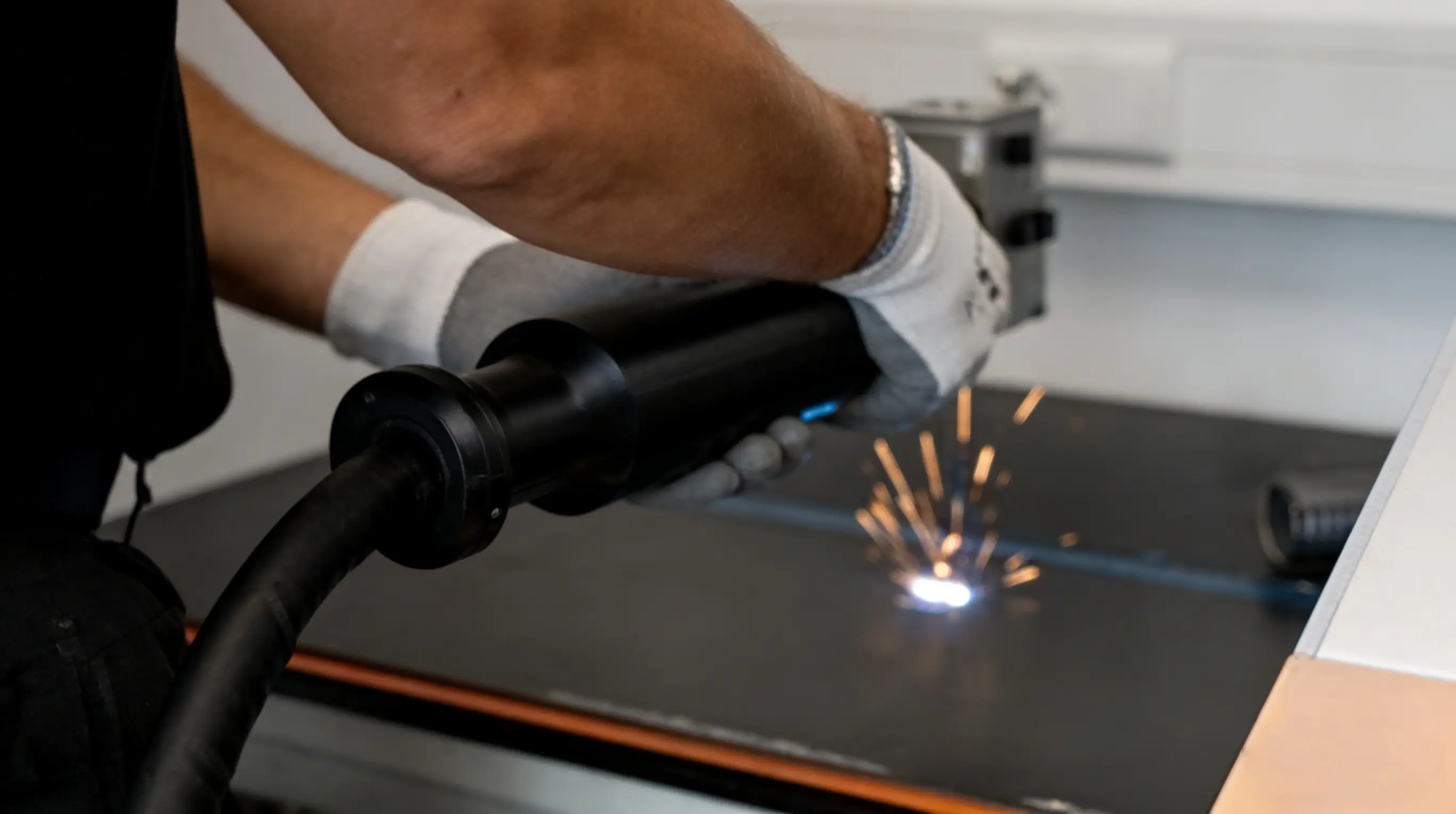
Let’s take a typical mid-sized metal fabrication shop as an example:
-
Scenario: Cleaning about 1,000 medium-sized workpieces annually, previously using sandblasting.
-
Annual Sandblasting Cost: Abrasive consumption ¥80,000 + Dust collector electricity/maintenance ¥20,000 + Labor & Protection ¥60,000 + Potential environmental compliance costs ¥20,000 ≈ ¥180,000
-
Laser Cleaning Solution: Purchase of a mainstream 200W machine, investment approx. ¥200,000. Annual operating cost is primarily electricity, approx. ¥5,000.
-
Annual Net Savings: ¥180,000 (original cost) – ¥5,000 (new cost) = ¥175,000
-
Simple Payback Period: ¥200,000 / ¥175,000 ≈ 1.14 years (approx. 14 months).
Thus, for suitable applications, the payback period for a laser cleaning machine is typically 1-3 years. Savings after that period translate directly into profit. Furthermore, the improved process quality and enhanced production flexibility it brings, though hard to quantify, are crucial.
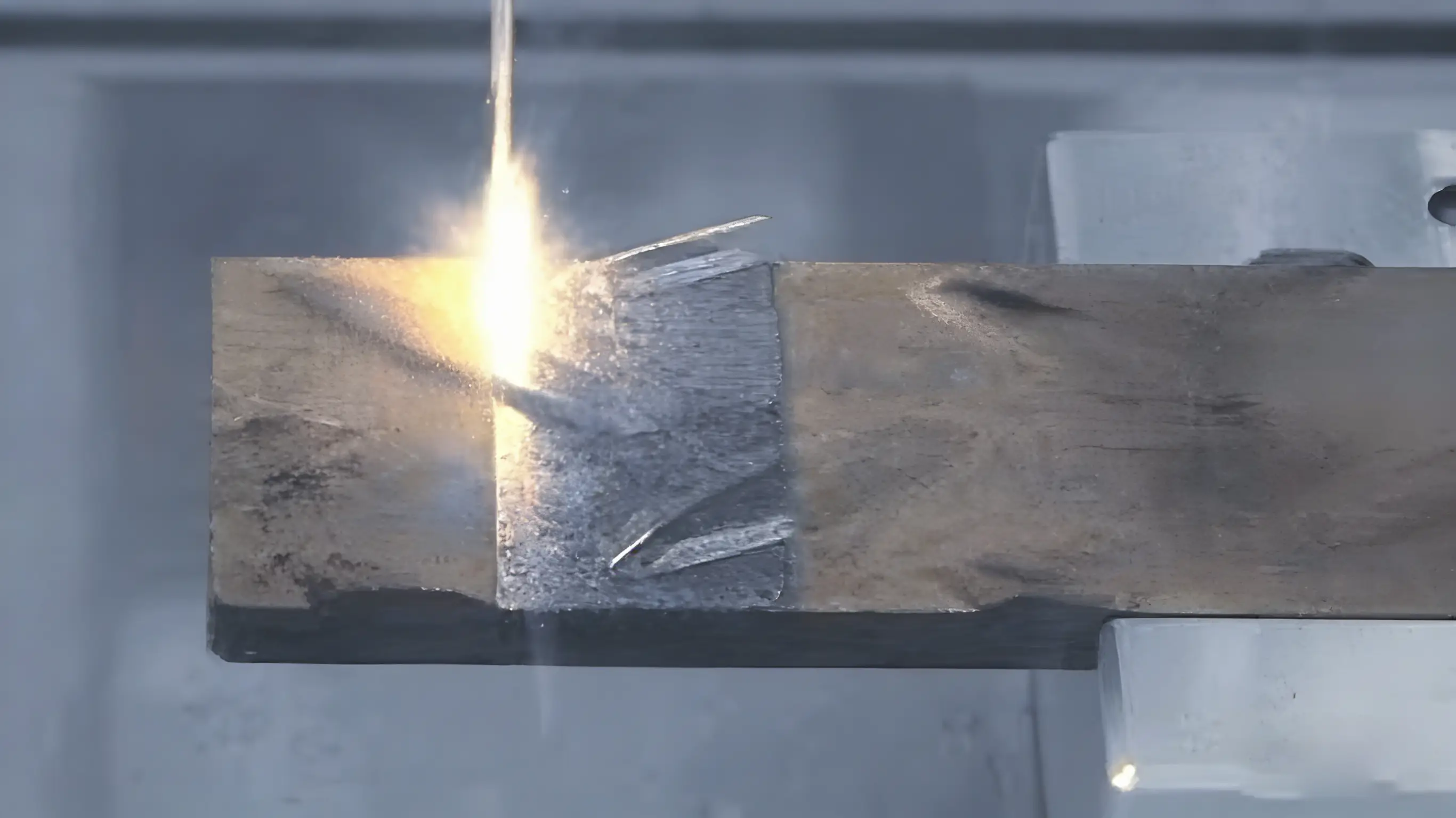
Top Industrial Use Cases
1. Oil & Gas and Pipeline Maintenance
Pipelines, valves, pressure vessels, and storage tanks suffer constant corrosion. The IR‑3040 supports on‑site cleaning without abrasive waste or chemical runoff. It improves inspection prep, coating adhesion, and asset integrity while lowering compliance costs.
2. Utilities and Wastewater Infrastructure
Aging water and wastewater equipment needs repeated surface prep for repairs and recoating. The IR‑3040’s zero‑discharge process reduces paperwork, liability, and cleanup time, making it perfect for strict environmental regulations.
3. Metal Fabrication and Manufacturing
-
Pre‑weld & post‑weld cleaning: Removes oxides without micro‑scratches or embedded particles, reducing porosity and rework.
-
Paint & powder coat stripping: Supports selective removal for rework lines without shutting down production.
-
Degreasing & pre‑inspection prep: Delivers consistent, residue‑free surfaces for quality control.
4. Aerospace, Automotive, Defense, and Maritime
-
Aerospace: Cleans turbine blades and landing gear without damaging tight‑tolerance components.
-
Automotive: Supports line‑speed pre‑weld oxide removal and coating rework.
-
Defense: Meets strict chemical restriction rules for base maintenance.
-
Maritime: Cleans ship hulls and offshore structures without abrasive containment issues.
IR‑3040 vs. Sandblasting vs. Chemical Cleaning
|
Factor |
IR-3040 Laser |
Sandblasting |
Chemical Cleaning |
|---|---|---|---|
|
Precision |
High (sub-mm) |
Low |
Moderate |
|
Substrate Damage |
Zero |
High (up to 50% loss on soft metals) |
Moderate (etching risk) |
|
Waste Output |
Minimal dust |
Heavy abrasive debris |
Toxic sludge |
|
Compliance |
EPA/OSHA/FDA ready |
Dust restrictions |
Hazardous waste rules |
|
Cost Structure |
High upfront, low ongoing |
Low upfront, high consumables |
Low upfront, high disposal liability |
The IR‑3040 stands out in precision, substrate protection, waste reduction, and long‑term cost:
-
Precision: High, targeted cleaning
-
Surface damage: Zero to base metal
-
Waste: Minimal captured dust
-
Compliance: Meets global industrial standards
-
Cost: Higher upfront, much lower long‑term expense
Sandblasting remains faster for large, low‑precision areas. Chemical cleaning works for full immersion but creates hazardous waste.
Limitations of the IR‑3040
It is not ideal for:
-
Unsupervised floors or untrained operators (Class 4 laser)
-
Fully automated light‑out production lines
-
Heat‑sensitive plastics, composites, or ceramics
-
Thin‑gauge metals under 1mm
The Ultimate Pre-Purchase Checklist
Before contacting suppliers, be sure to confirm the following points:
-
Material Compatibility: Are your cleaning targets primarily metals? For plastics, composites, etc., strict process testing is required to assess heat-affected zone risks.
-
Capacity Match: Laser cleaning works via “point” or “line” scanning. For very large flat surfaces, efficiency might be lower than sandblasting. Evaluate your required throughput.
-
Safety & Regulations: Can you establish a Class 4 laser safety operating zone? Are operators properly trained?
-
Supplier Evaluation: Can the supplier provide sample testing on your actual workpieces? What is their after-sales service response time? What is the warranty policy for core components (e.g., the laser source)?
Conclusion
The IR-3040 isn’t for everyone. That’s what makes it the right tool for operations that truly need it.
If your business is struggling with recurring rust, paint stripping bottlenecks, or rising surface prep costs, this laser system offers a solution that sandblasting and chemicals can’t match. It delivers precision, repeatable results, and costs that drop over time.
Smart buying decisions don’t come from spec sheets alone. Match the use case first. Run the ROI math. Then test it on your actual substrate.
Looking for a more cost-effective industrial laser cleaning solution?