
Thick plate. Double-sided. One pass. No flipping. Han’s hybrid welding technology claims to do exactly that. By combining laser deep penetration with arc stability, it aims to solve core pain points in shipbuilding and heavy machinery. But is this a true efficiency revolution, or just an expensive lab experiment? This review cuts through the marketing with real-world data, covering performance, cost, and limitations.
Core Process: How Does Laser + Arc Achieve 1+1>2 Effect
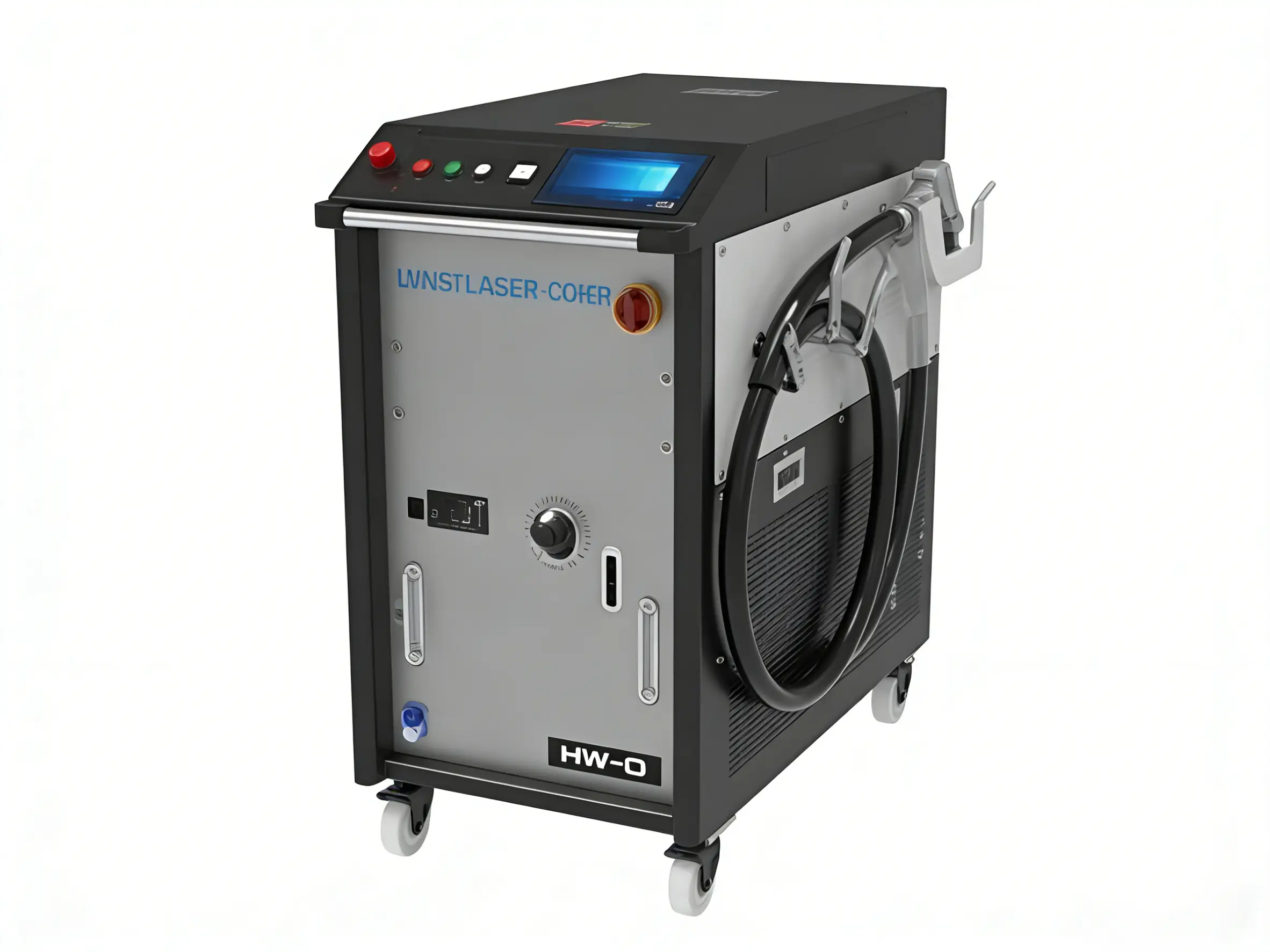
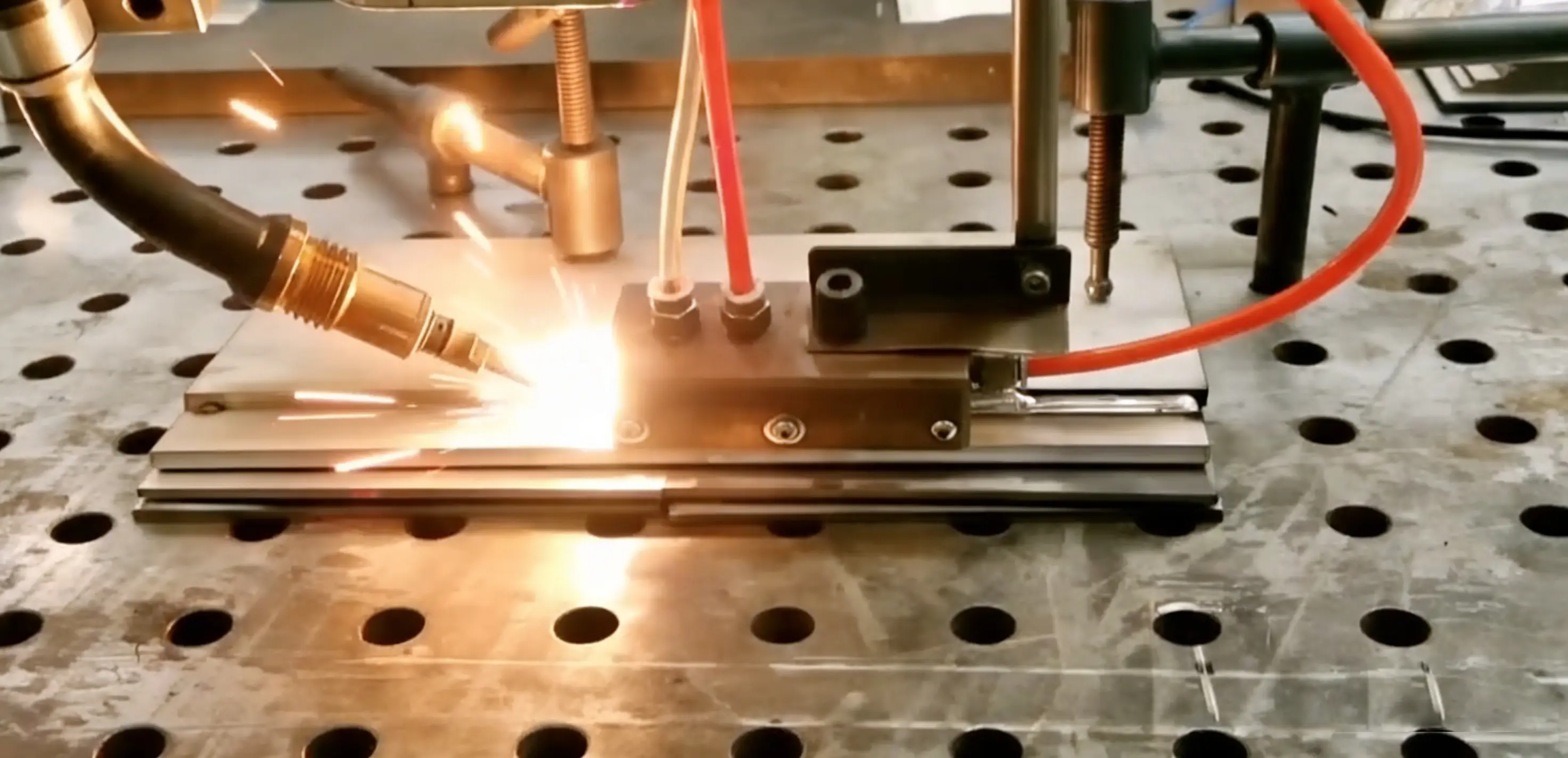
The heart of the Han’s MPS-HWA series is Laser-Arc Hybrid Welding (HLAW) . The laser drives deep penetration, creating a “keyhole” for single-pass depth. The hot-wire TIG arc stabilizes the molten pool, adds filler metal, and prevents keyhole collapse.
The key advantage is heat input control:
-
The laser puts concentrated energy exactly where needed, resulting in a minimal Heat-Affected Zone (HAZ) .
-
The arc spreads the remaining heat, avoiding excessive concentration.
-
Together, they cut distortion by 30-50% compared to arc-alone processes.
Performance Breakthroughs: Why It Sets the Industry Standard
-
Exceptional Penetration & Speed: In keyhole mode, single-pass penetration can reach 25-30mm. Combined with the arc, travel speed can be 2-5 times faster than conventional MIG/TIG, significantly shortening production cycles.
-
Superior Heat Control & Low Distortion: Concentrated laser energy, aided by controlled arc heat input, results in lower total heat input compared to arc-only welding at equivalent penetration. This leads to a narrower Heat-Affected Zone (HAZ) and 30-50% less workpiece distortion, ideal for precision structures with tight dimensional tolerances.
-
The Power of Double-Sided Sync Welding: For ultra-thick plates, double-sided synchronous welding applies heat simultaneously from both sides. This symmetrical input drastically reduces residual stress and distortion caused by sequential welding, creating a superior “hourglass” weld profile with better fatigue and pressure resistance.
-
Wider Process Window: Compared to pure laser welding, which is highly sensitive to fit-up gaps (≤0.5mm), hybrid welding can tolerate gaps of 1-2mm, reducing stringent pre-weld preparation requirements and better suited for real production environments.
ROI & Industry Applications
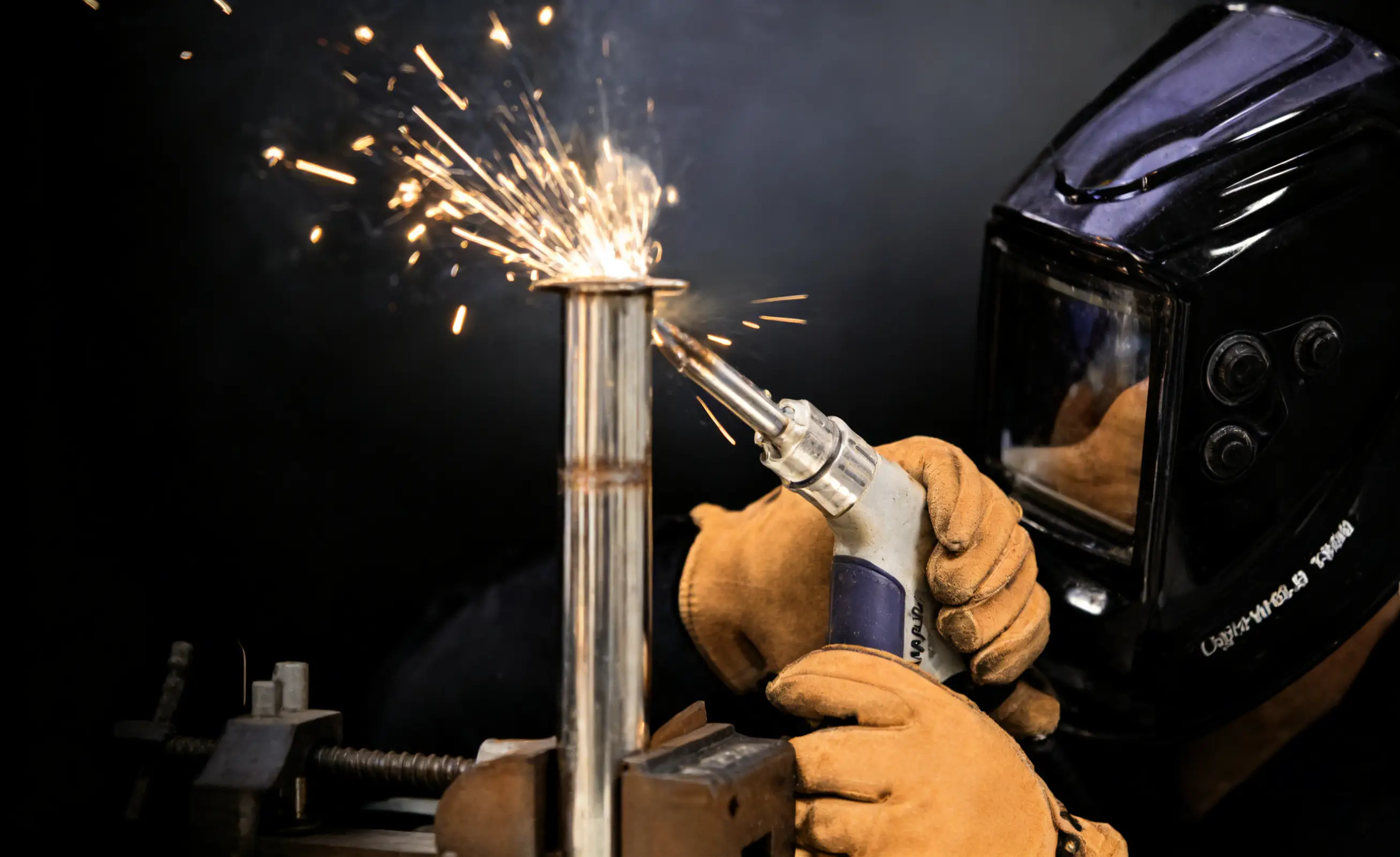
This technology has proven its value in automotive manufacturing (especially EV battery trays and BIW), shipbuilding, heavy machinery, and pressure pipeline welding. The return is seen in:
-
Efficiency Gains: Fewer weld passes, shorter operation time.
-
Cost Savings: Reduced post-processing costs like straightening and grinding due to less distortion.
-
Quality Leap: Weld mechanical properties (e.g., tensile strength) closer to base metal, with fewer internal defects (e.g., porosity).
A Balanced View: Understanding the Limitations
No technology is perfect. The initial investment for HLAW is significant, and it demands higher operator/maintainer skill than traditional equipment. For welding highly reflective materials (like Al, Cu), more meticulous surface preparation (oxide removal) and parameter control are required. For very thin (<1mm) or cosmetically critical welds, traditional TIG or pure fiber laser welding may be more economical.
Key Technology: The Physics of Double-Sided Synchronous Welding
This isn’t marketing—it’s physics. Welding both sides of a thick plate simultaneously creates a symmetrical, hourglass-shaped weld profile.
|
Performance Metric |
Double-Sided Result |
|---|---|
|
Weld Symmetry |
Far superior to single-side |
|
Distortion |
Significantly reduced vs. multi-pass |
|
Fatigue Resistance |
High (low residual stress) |
|
Corrosion Uniformity |
Excellent in harsh environments |
|
Internal Pressure Resistance |
Rated for deep-sea pipeline duty |
For HSLA steels (the backbone of shipbuilding, oil, and gas), double-sided synchronous welding effectively lowers residual stress and improves fatigue life—advantages that single-side, multi-pass methods cannot match.
Cost Reality: Purchase Price vs. Total Cost of Ownership
Han’s pricing is aggressive, running 40-80% lower than brands like IPG. A 1000W hybrid unit at $12,000 has documented an 8-month payback period with a 70% ROI.
But watch for hidden costs:
-
Maintenance: The water cooling system can require repairs under sustained heavy use (e.g., ~$2,000/year in some cases).
-
Skill Requirement: This is not a machine for a general welder. Operators need to understand both laser and arc processes, meaning longer training and higher labor costs.
-
Material Preparation: Aluminum, in particular, is unforgiving. Surface oxides break bond stability, demanding pristine conditions.
Full Comparison Table: Han’s vs MaxWave Laser Welders vs Pure Laser
|
Item |
Han’s Hybrid Welding |
MaxWave Laser Welder |
Pure Laser Welding |
|---|---|---|---|
|
Welding Speed |
2–5 times faster |
2–4x faster than MIG/TIG |
Fast, limited on thick plates |
|
Single-Pass Depth |
25–30mm |
Up to 20mm (customizable) |
10–15mm |
|
Thermal Deformation |
Very small |
Very low, near pure laser level |
Small |
|
Gap Tolerance |
1–2mm |
0.8–1.5mm (balanced) |
≤0.5mm |
|
Overall Cost |
Medium-High |
Low |
High |
Who Should Buy?
Buy it if you are:
-
A medium-to-heavy plate fabricator processing 500+ units/month of 1-10mm materials (automotive, shipbuilding, EV battery boxes).
-
Struggling with distortion and rework – spending excessive time on straightening and grinding.
-
Comfortable with a 12-month payback – leveraging 2-3x speed gains to offset higher upfront costs.
Don’t buy it if:
-
Your volume is low or materials are thin – the efficiency gains never add up.
-
You lack in-house maintenance capabilities – unfamiliarity with laser-arc systems creates downtime risk. Han’s after-sales support still trails premium Western brands.
Conclusion
Han’s hybrid laser welding performs strongly in thick plate processing, double-sided synchronous welding, low deformation and high productivity, making it an excellent choice for large factories. However, its cost and technical threshold are relatively high.
If you need similar performance at a friendlier price with flexible after-sales support, MaxWave is the better long-term choice for SMEs. We provide handheld laser welders, laser cleaning equipment and customized laser automation solutions at factory-direct prices, helping you improve efficiency, reduce costs and achieve quick returns on investment.