
When you walk into a world-class museum like the Guggenheim, everything feels intentional. But have you ever noticed what really pulls the space together? It’s not just the lighting or the artwork; it’s the text on a wall. Whether it’s a bold exhibition title or a subtle artist statement, the way words appear on a vertical surface sets the tone for the entire visitor experience.
However, if you’ve ever been part of an exhibit setup, you know the “dirty secret”: getting professional-looking text on a wall is usually a nightmare. In this guide, I’m going to show you how to skip the stress and achieve that flawless, high-end look without the traditional headaches.
The Hidden Struggle with Traditional Lettering
For decades, curators have relied on two main methods for wall lettering: vinyl stickers and hand-painting. While these were once the industry standard, they often fall short in a professional gallery setting. Vinyl stickers, for instance, are notorious for their “plastic” look. Under high-intensity gallery spotlights, the edges of the stickers catch the light, creating a distracting glare that screams “temporary.” Even worse, if the room isn’t perfectly climate-controlled, these stickers tend to bubble or peel at the edges, which can be incredibly embarrassing during a high-profile opening.
On the other hand, hand-painting or stenciling text offers a better aesthetic, but at a massive cost. It’s an incredibly slow process that requires a specialist’s hand. If you encounter a typo or a last-minute change in the script, you’re looking at hours of sanding and repainting. In the fast-paced world of exhibition design, where setup windows are shrinking, these traditional methods simply can’t keep up with the demand for both speed and perfection.
A smarter way to get museum-quality text
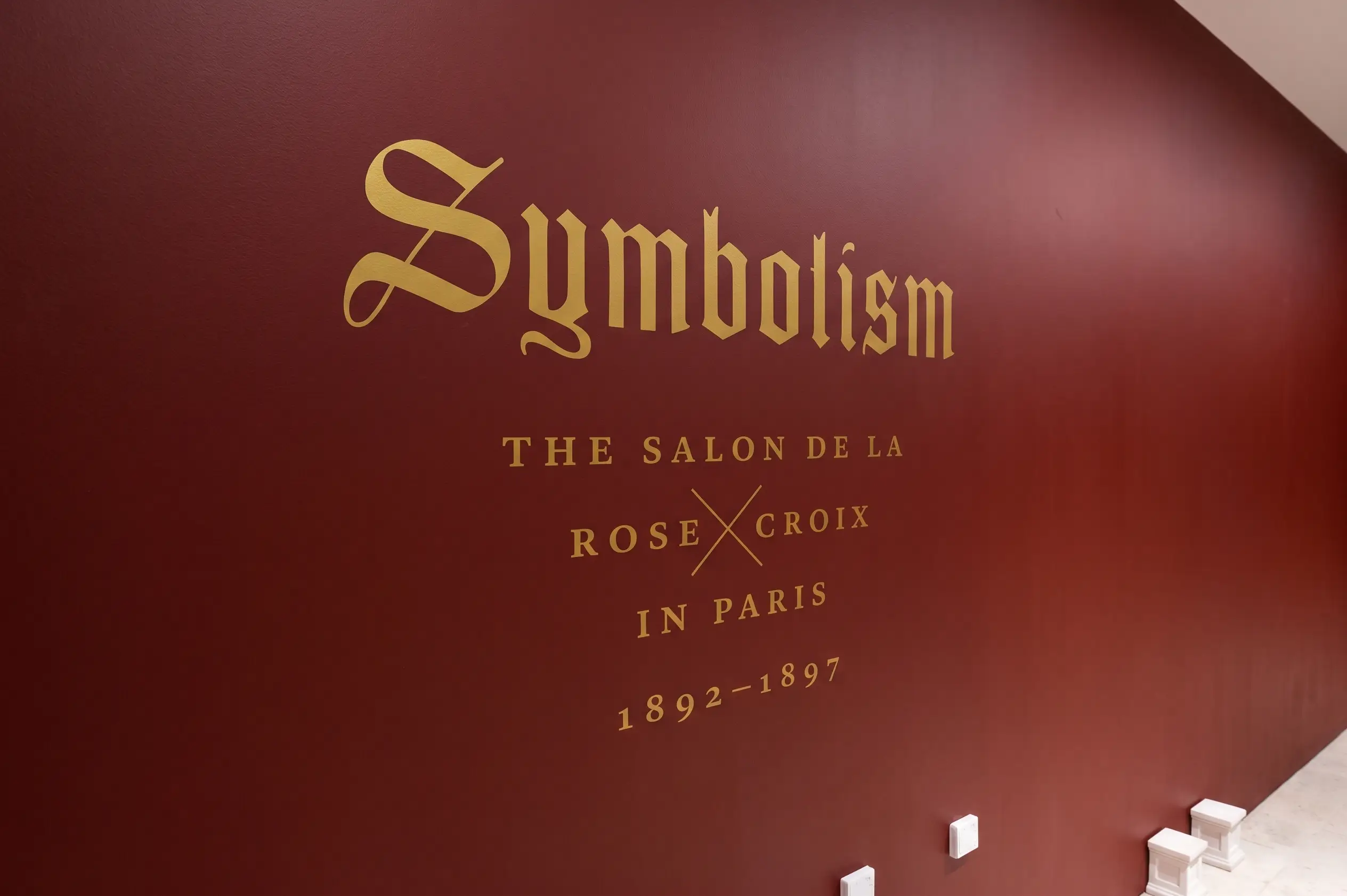
If you want your text on a wall to look like it was born there, you need to move beyond stickers. The most exciting shift in modern exhibition design is the move toward Digital Direct-to-Wall Printing. This technology eliminates the “carrier” entirely—there is no background, no plastic film, and no visible edge. The machine adheres ink directly to the wall surface, resulting in pure, clean typography that mimics the high-end look of silk-screening but with a fraction of the setup time.
This digital approach offers a level of precision that manual methods simply can’t touch. Have you ever tried to weed a tiny, elegant Serif font out of a piece of vinyl? It’s nearly impossible and often leads to jagged edges. Digital printing, however, handles incredibly fine lines and complex scripts with ease. Because it’s a matte finish, the text remains perfectly legible from any angle, even under the harshest spotlights, ensuring your message is the hero of the room.
Solving the “Surface” Nightmare
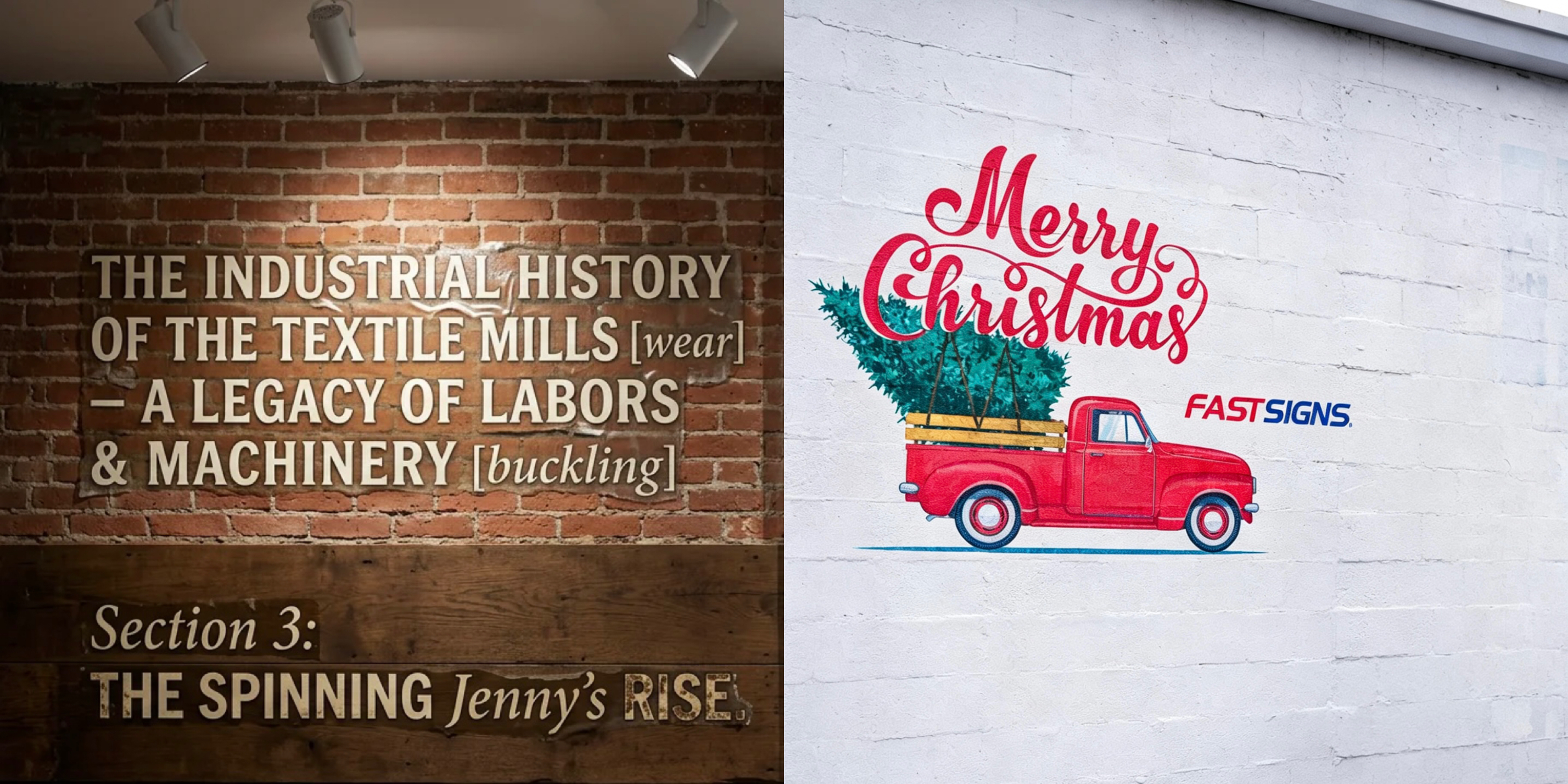
One of the biggest questions I get from designers is how to handle walls that aren’t perfect white drywall. In the past, a rustic brick wall or a textured concrete surface meant you were stuck using hanging boards or frames. Creating text on a wall was considered impossible because stickers wouldn’t adhere to the uneven gaps, and hand-painting on brick is a recipe for blurry edges.
Modern wall printers have solved this through intelligent engineering. These machines are equipped with high-tech ultrasonic sensors that “map” the wall’s topography in real-time. If a brick sticks out or a wooden plank is slightly recessed, the print heads automatically adjust their distance to maintain focus. Combined with UV-curable inks that dry instantly, you get crisp, sharp edges on materials like stone, wood, or even metal—materials that used to be considered “unprintable.”
How to get the job done in four easy steps
The reason we say you can “easily” create these results is that technology has transformed a high-stress manual task into a streamlined digital workflow. By using a professional wall printing machine, you no longer need a team of five people and a week of prep to get your gallery ready.
- Step 1: Digital Preparation: All you need is a high-resolution PDF or AI file. You don’t have to worry about “reverse cutting” or “transfer tape.” If it looks good on your computer screen, it will look the same on the wall.
- Step 2: Machine Setup: Modern wall printers are portable. They can be wheeled into an elevator and set up in a gallery in less than 15 minutes. No scaffolding is required for most standard heights, keeping the workspace safe and clean.
- Step 3: Automated Execution: Once the machine is positioned, you hit “Print.” The machine takes care of the alignment. It moves with robotic precision, ensuring that your text is perfectly level—something that is notoriously difficult to achieve with manual labor.
- Step 4: Instant Results: Because the ink dries instantly, there is no “wet paint” smell or danger of smudging. You can literally print the text and open the doors to the public an hour later.
Saving time and budget on your next project
In the exhibition world, time is your most valuable resource. Usually, you only have a 48-to-72-hour window to transform a gallery space. Traditional vinyl application for a large-scale project can take a small team an entire day to measure, level, and apply. A wall printer allows a single person to manage the process, freeing up the rest of the staff to focus on more critical tasks like lighting and artwork placement.
Beyond the initial setup, you have to consider the “exit cost.” When an exhibit ends, removing vinyl can be a disaster, often tearing off chunks of drywall or leaving a sticky residue. Printed text, however, is much kinder to your walls. When it’s time to move on, you simply paint over the text with a single coat of primer. There’s no scraping, no harsh chemicals, and no expensive wall repairs.
Elevate Your Next Presentation
Creating the perfect text on a wall is no longer a luxury reserved for museums with massive budgets and weeks of prep time. By embracing digital direct-to-wall printing, you can achieve world-class results with more precision and significantly less effort. It’s about working smarter, not harder, to ensure that the information on your walls is just as beautiful as the art it describes.
Whether you are working with a smooth gallery wall or a rugged industrial space, wall printing machine is now here to make your vision a reality. Next time you’re planning a layout, forget the bubbles and the stress—just hit print.